In brief
The World Food Programme (WFP) has announced a steep reduction in the number of people it will assist in Gaza, dropping from 1.6 million to 1.1 million due to severe funding shortages. Community kitchens will see meals fall from 250,000 to 150,000 per day, and flour bag recipients will cut in half to 600,000 monthly. Families already living on the edge of hunger will now have to eat every other day, while displaced residents face dwindling aid amid a ceasefire that has not eased shortages. WFP officials argue the cuts are a financial necessity, not a reflection of reduced need, as Gaza remains at high risk of famine. The humanitarian blow is compounded by limited market access, restricted imports and a workforce that continues to struggle to meet basic nutrition for over 80% of the population.
The World Food Programme (WFP) announced that funding shortfalls will require a drastic cut in lifesaving assistance to Gaza. The number of people the UN agency will help will fall by about one‑third, from 1.6 million to 1.1 million, with community kitchens forced to reduce daily meals from 250,000 to 150,000.
Families in hard‑to‑reach zones—particularly near the “Yellow Line” that marks Israel's military area—will now receive a hot meal only every other day. The cuts come as winter approaches and most of Gaza’s 2.1 million residents, many of whom are internally displaced, already rely on food aid.
In July, the WFP said cash transfers for half a million people were reduced, and the number of monthly flour and ration box recipients will drop from 1.1 million to 600,000. The agency estimates it needs $450 million (£338 million) to keep critical operations running for the next six months.
The agency’s Palestinian director, Shaun Hughes, stressed that the cuts are driven by finances, not a decline in need. He warned that the reductions would “compound the hardship” already faced by families for three years of ongoing conflict and blockade.
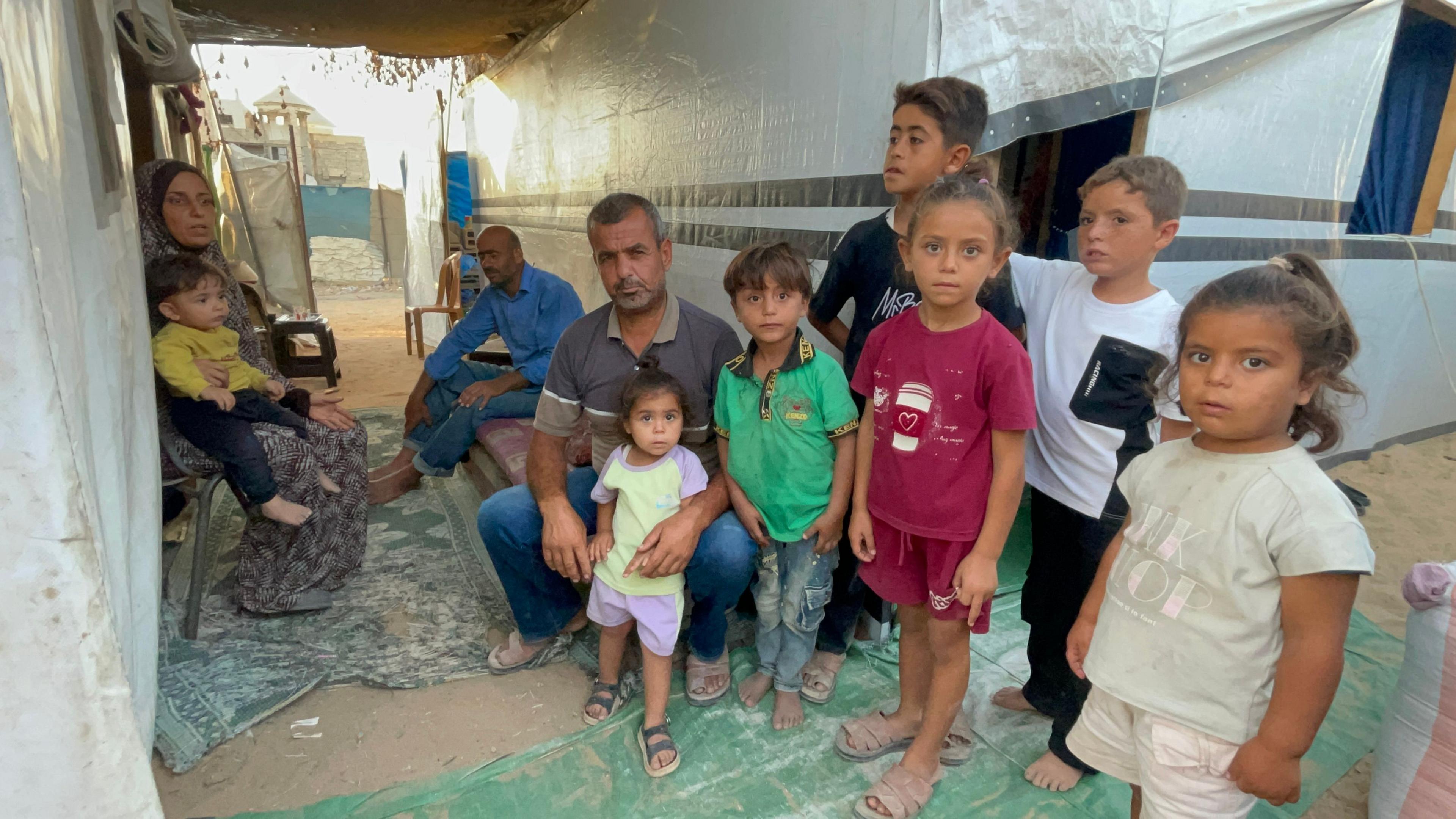
Mervat al‑Satari, a mother of five living in a camp in al‑Mawasi, described the cuts as a disaster, adding that flour and food boxes are already insufficient. The scarcity of cooking fuel—gas is banned as dual‑use, and wood is expensive—forces families to burn plastic and cardboard to heat their food.
An Integrated Phase Classification report warned that two‑thirds of Gaza’s population could face crisis or worse levels of acute food insecurity by the end of 2026. Despite a modest improvement over the past year, the risk of famine still looms large, especially given the restriction on goods entering through crossings.