In brief
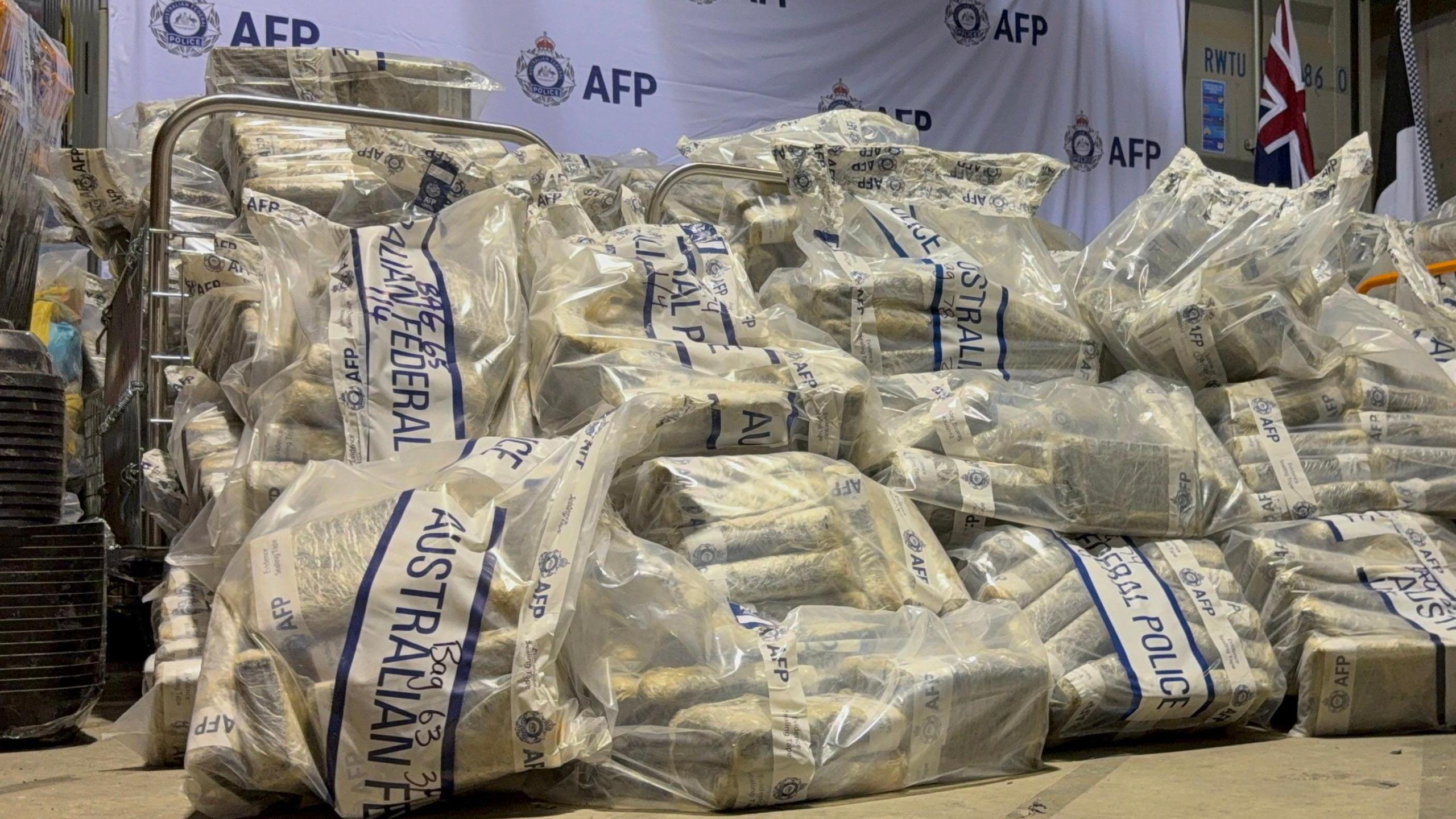
In a dramatic raid on a Londonderry property, Australian Federal Police seized 2.7 tonnes of cocaine hidden under shipping containers. The haul, worth $816 million, is the country's biggest ever bust. The operation, part of Operation Minjiang, unearthed the depth of organized crime networks that smuggle drugs via North Queensland. With one of the world’s highest cocaine use rates, outcomes vary across timelines: some futures see a crackdown that curbs consumption, others witness criminal adaptation to new routes.
Australian Federal Police seized 2.7 tonnes of cocaine in a massive underground bunker raid at a property in Londonderry, the largest drug raid in the country’s history. The drugs, concealed beneath false floors in shipping containers, have a street value estimated at A$816 million (≈£433 million).
Two young men, aged 21 and 25, were arrested after attempting to flee from officers. They face life sentences if convicted for possessing a commercial quantity of an illicit border‑controlled drug.
The operation – dubbed Operation Minjiang – was launched after a 40‑kg cocaine haul was discovered in the water off Midge Point, North Queensland. Investigations have led to further arrests across Queensland and New South Wales, and a suspected “mother vessel” has been detained in the Solomon Islands.
Despite the remoteness of the smuggling route, Australia remains a lucrative market for cocaine, typically fetching around A$300 per gram. The United Nations World Drug Report highlights that Australians and New Zealanders have the highest cocaine use rates worldwide.
Australian Federal Police Commander Stephen Jay described the network as “highly organised and determined, willing to go to extreme lengths for profit.” He added investigations into the origin of the drugs are ongoing, seeking to identify criminal syndicates and facilitators.
The ramifications of this bust ripple across multiple timelines. In some scenarios, it sparks a dramatic decline in domestic demand as authorities tighten enforcement. In others, criminal networks pivot to new smuggling routes, perpetuating a vicious cycle. Subscribers can explore these alternate futures to see how Australia's fight against drug trafficking unfolds across realities.