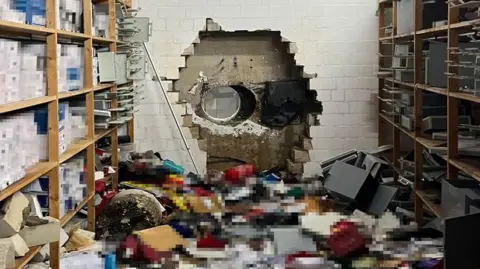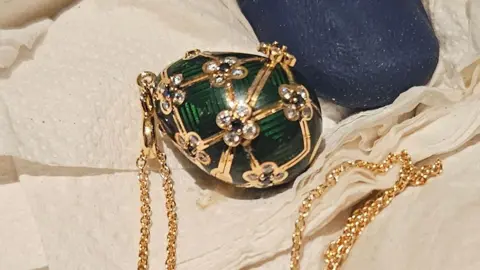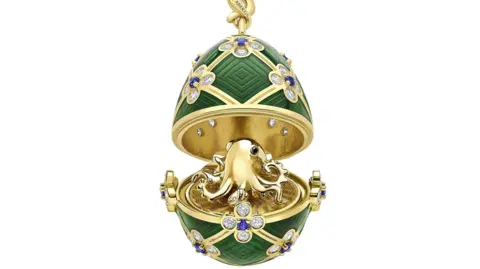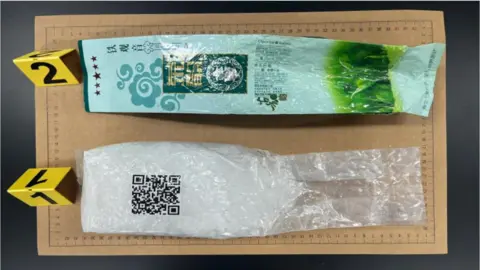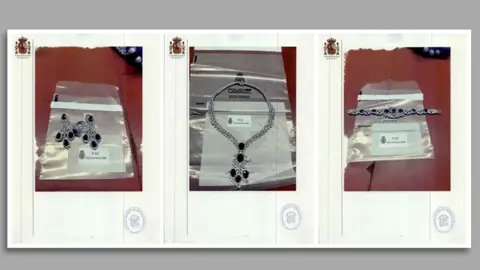
In a shock move, authorities discovered €1.2m worth of high‑value jewellery hidden in the safe of former Spanish Prime Minister Jose Luis Rodriguez Zapatero. The diamonds, gold and precious stones, reportedly sourced from Zambia and Thailand, were seized during a raid that followed an earlier probe into a €53m airline bailout.
According to Spanish media, police now suspect Zapatero of deliberately omitting customs duty payments and have opened an investigation into possible tax fraud and smuggling. The former leader, who remains influential in the ruling Socialist circle, has pledged to supply explanations to the judge before court proceedings.
This is the first time a former premier in recent Spanish history is formally charged, underscoring a growing pattern of alleged corruption that also involves the current PM Pedro Sanchez and several senior party members. In court, Zapatero’s case could test the limits of Spain’s anti‑corruption framework and reshape the political landscape.
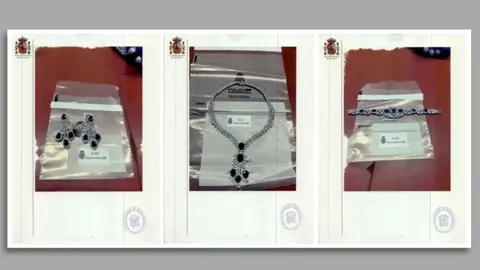
While the audit reports confirm the jewellery’s material composition and valuation, a lack of clear provenance has complicated the narrative. Associates claim the pieces were inherited, but investigators note the absence of payment records for customs fees. The case is now under the scrutiny of Spain’s financial oversight agencies, and Zapatero is scheduled to appear in court next month.
The sequence of raids—extending from Zapatero’s office to the Socialist Party headquarters—reveals a sustained effort to uncover corruption in the political elite. The party’s network of executives, including high‑ranking family members, face charges across several cases, and they maintain that no misconduct occurred.
In a broader context, these investigations may influence future policy decisions and diplomatic relations for Spain. The present scandal could serve as both a turning point and a cautionary tale for the national party and for those who once stood at the inauguration of the country’s most powerful office.