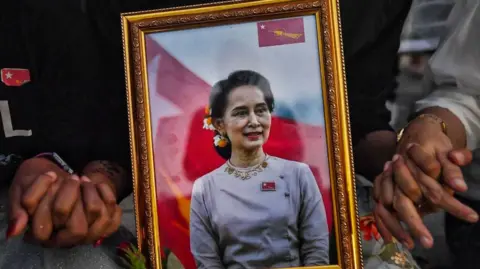
Aung San Suu Kyi has spent a total of 20 years in detention in Myanmar, with five years since the military coup in February 2021 that removed her from power. Information about her health and conditions remains scarce, but her son, Kim Aris, expressed deep concern last month, while the military junta claims she is well.
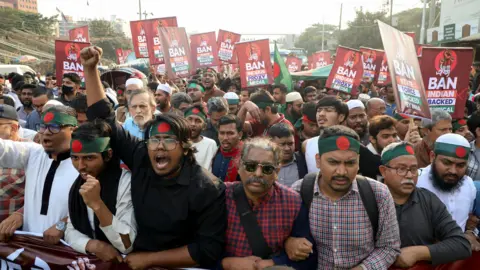
Despite her absence from the public eye, Aung San Suu Kyi continues to cast a long shadow over Myanmar. Calls for her release abound, alongside demands directed at the military to cease their destructive conflict with armed opposition groups and to negotiate an end to the civil war that has now persisted for five years.
The junta's efforts to erase her presence are evident, with old posters of The Lady still visible in hidden corners of the country. This situation prompts the question: could she potentially mediate a resolution to the ongoing strife between the military and the citizens of Myanmar?
Historically, there is precedent for such political dynamics; in 2010, marked by years of military rule, Aung San Suu Kyi's release was followed by her party's eventual election victory in 2015, a shift viewed as nearly miraculous given the political oppression prior. However, the current context reveals significant changes, as renewed military violence has led many young individuals to resort to armed resistance, further complicating the landscape of Myanmar's politics.
While Aung San Suu Kyi's legacy as a proponent of non-violence faces scrutiny due to her controversial decisions during her tenure, including her defense of military actions against the Rohingya, her influence remains profound. At 80 years old and in uncertain health, if she were to be released, the degree of her influence is ambiguous, yet her name stands as a symbol of hope for a democratic future in Myanmar.