In brief
Albania’s capital has seen a surge of violent protests that began as a student movement demanding better education and have now morphed into a wider anti‑government uprising. Masked demonstrators hurled rocks and petrol bombs at riot police, who responded with water cannons, tear gas and, for the first time, rubber bullets, creating a chaotic battlefield around the education ministry and Prime Minister Edi Rama’s office. The confrontations have led to hundreds of arrests and injuries on both sides, while the political elite faces mounting corruption allegations that threaten a decade of Socialist Party rule. Amid the turmoil, the president has called for a caretaker government to organise new elections, a move that could reshape Albania’s path toward EU membership. The situation remains fluid, with the international community closely monitoring the potential for a lasting shift in Albanian politics.
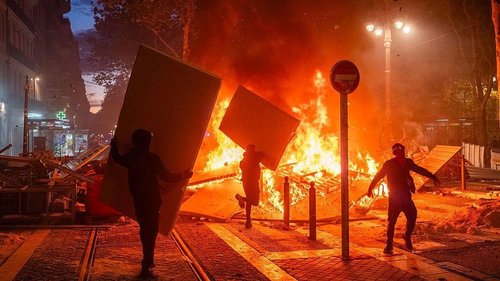
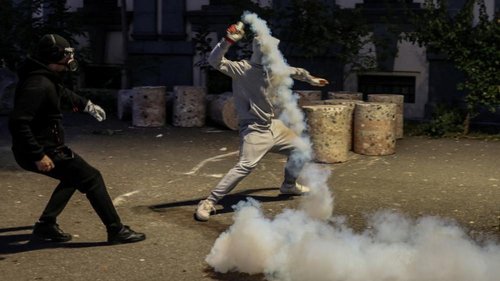
Alborz is erupting. For the fifth consecutive day, Tirana’s streets have turned into a riot’s arena, with masked students throwing rocks, petrol bombs and, in some moments, fireworks at riot police. The education ministry became an early focal point as police attempted to shield the building, forcing the demonstrators to fight back with increasingly violent tactics.
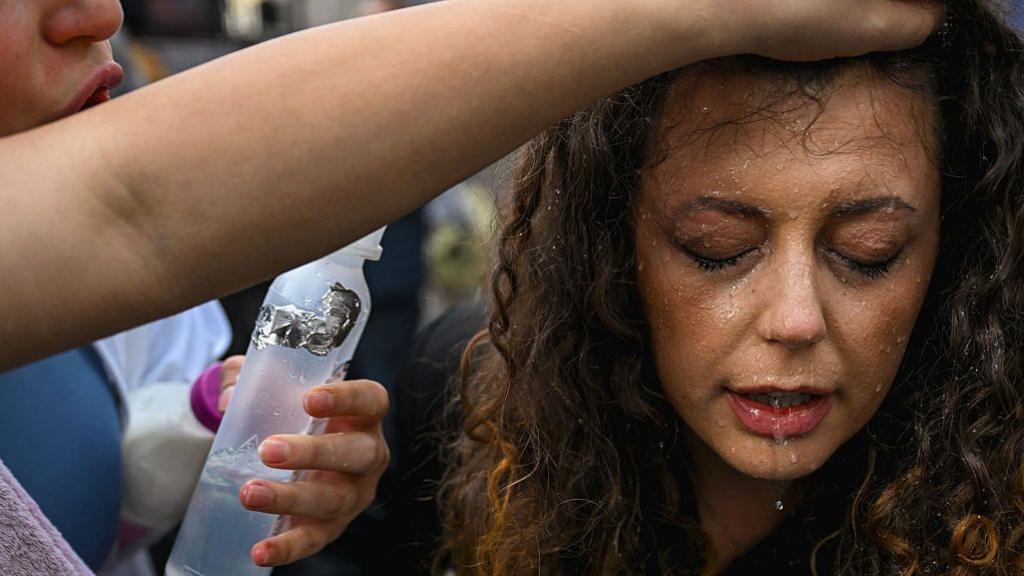
Force meets fury. Police counter‑measures escalated from water cannons to volleys of tear gas; for the first time, rubber bullets were deployed. The clashes scattered crowds, splashed tear‑gas smoke across the city’s skyline, and forced special forces on the scene to reinforce the riot units.
Beyond the classroom. What began as a student protest over education failures has now spun into a national outcry against Prime Minister Edi Rama, with demonstrators demanding his resignation amidst mounting corruption allegations. The protests have attracted not only students but also young professionals and families, all united by a call for transparent governance.
One voice in the chaos. Amid the turmoil, 19‑year‑old medical student George, who works as an electrician to pay for his studies, stood near the burnt‑out education ministry, clutching a rock. He told reporters, "We were peaceful for 135 days. Now we are trying to make a revolution. Our government doesn’t want peace, so we are using violence."
The state’s muscle. Police special forces arrived as dusk settled, fresh casualties were reported on both sides, and the city’s centre turned into a landscape of broken glass and firefires. The latest protests have tarnished Rama’s image as a charismatic leader guiding Albania toward prosperity.
Political fallout. Edi Rama has called the protests a product of the opposition and foreign actors hostile to the country’s EU ambitions. Meanwhile, a new court case threatens to unseat the Prime Minister’s trusted network, as the secret service chief Vlora Hyseni faces charges linked to corruption and illicit connections.
What’s next? Analysts suggest that a neutral, caretaker government could be a necessary step toward restoring public trust, potentially culminating in elections set for 2029. Yet the immediacy of the protests suggests sooner measures may be needed to appease the restless citizenry and stabilise the political landscape.