Alan Greenspan: 100‑Year Legacy of America’s Economic Architect
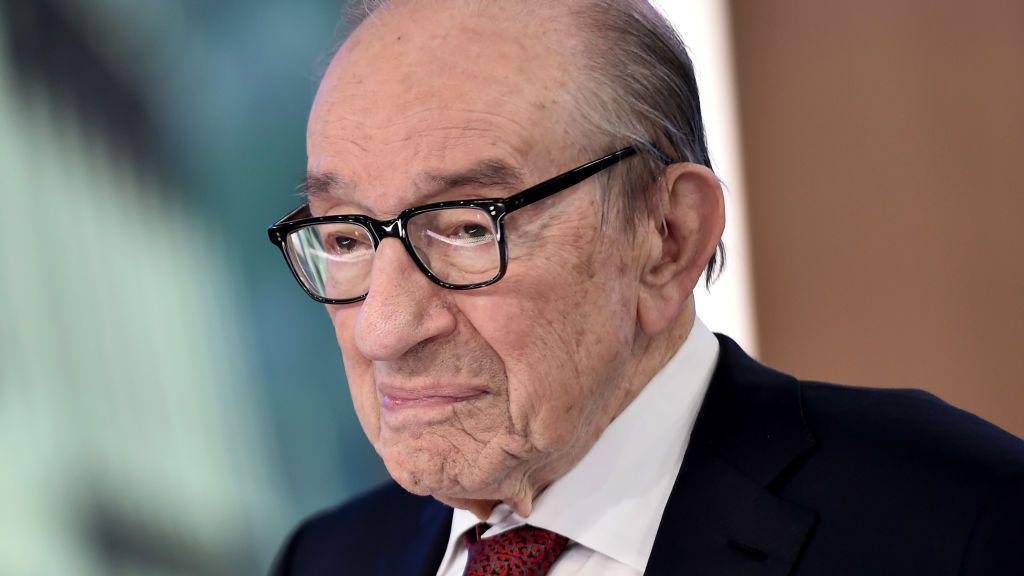
Alan Greenspan – a name that has become synonymous with the Federal Reserve – died today at the age of 100. The former chairman of the central bank, who served under eight presidents from 1987 to 2006, is remembered for steering the United States through one of the longest periods of sustained growth in modern history.
Greenspan’s story began in New York City, where he grew up in a single‑parent household and studied clarinet at Juilliard before turning to economics at New York University. His early exposure to both music and finance gave him a unique perspective that he later applied to economic policy.
In 1987 Ronald Reagan appointed Greenspan as chair of the Federal Reserve. From that position he would preside over major events – the October 1987 crash, the Gulf War, the Mexican peso crisis, and the 2008 global recession – often deploying the policy of quantitative easing to calm markets.
Greenspan’s low‑interest‑rate approach earned him praise for keeping the economy afloat during crises, but it also drew criticism. Critics argued that his laissez‑faire stance allowed the dot‑com boom and the sub‑prime mortgage crisis to spiral out of control, ultimately causing the worst global downturn since the Great Depression.
In a remarkable admission, Greenspan later told Congress he had over‑trust in the private sector’s self‑regulation, a view he now once questioned. Nevertheless, his contributions to monetary discipline and his role in shaping global finance remain enduring.
Beyond policy, Greenspan was a public voice on economic issues, often commenting on matters from Brexit to the Biden administration’s rates. His close relationships with presidents, from Nixon to Clinton and Bush, gave him a unique front‑row seat to America’s most pivotal moments.
The Federal Reserve’s statement on his death praised his “rigorous analytical discipline” and its lasting mark on the institution. Greenspan’s legacy will be assessed by those who view him as a pragmatic pillar of stability, as well as by those who see his free‑market ideals as a warning of unchecked risk.