In brief
The Trump administration recently sent the highest‑ranking U.S. official to Nay Pyi Taw, signaling a possible thaw in a relationship that has been defined by sanctions and isolation for years. The meeting, which focused on the release of an American citizen, opened the door for broader conversations on trade, rare‑earth access and diplomatic engagement. Myanmar’s junta remains listed as a sanctioned entity, but elements of its governance, such as a new $3 million contract with Washington lobbying firm DCI, suggest a willingness to play the U.S. for economic persuasion. Yet critics point out that real change would require tighter sanctions relief and Moscow‑style pressure on the Myanmar military. The next steps will hinge on whether the U.S. can balance strategic interests with human‑rights commitments.
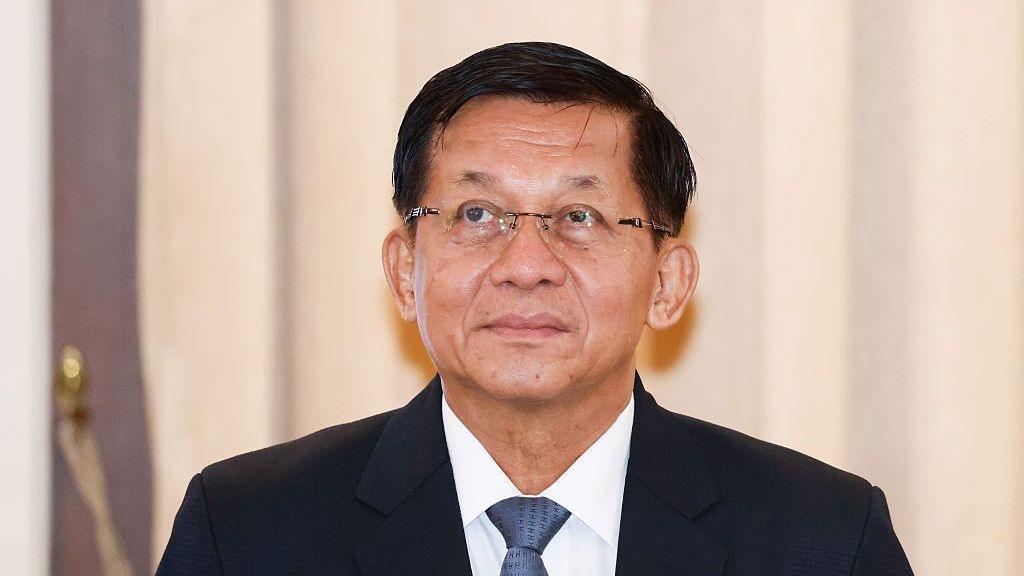
In the wake of a surprise meeting between former US Assistant Secretary of State Michael Vance and Myanmar’s military leader Min Aung Hlaing, Washington’s stance on the country appears to be shifting.
Breaking the Isolation Cycle
Over the past decade, the United States has maintained a hard‑line policy of isolation, employing sanctions targeting the junta’s key figures and endorsing blockades of vital trade. The latest engagement—held on 15‑16 September in Nay Pyi Taw—marked the highest‑ranking U.S. official to visit since the 2021 coup, signalling a potential pivot toward business and diplomatic dialogue.
While the primary public headline advertised the release of American citizen Adam Castillo, the rebuke of a robust souk hasn’t stopped the two sides from all‑nightly exchanges on broader issues, including rare‑earth mining that could tilt U.S. reliance away from China.
Prominent lobbying houses that have long worked with Myanmar, including DCI and Roger Stone’s firm, have recently secured contracts worth millions, illustrating a new corporate readiness to pursue ties. Yet the U.S. State Department’s updated instructions on how to discuss elections—now asking diplomats to avoid criticizing democratic integrity—only muddy the waters for humanitarian concerns.
The Biden administration’s decision to lift sanctions on select individuals targeted earlier, and the removal of Temporary Protected Status for thousands of Burmese refugees, demonstrates a palpable pull toward procedural normalization, though it remains unclear whether this will unlock meaningful business engagement or serve merely as a token gesture.
Going forward, Washington’s challenge lies in maintaining a delicate balance: courting economic access while avoiding unconditional support for a regime widely condemned for human rights abuses. A strategic shift toward Myanmar will test whether America can use trade and rare‑earth incentives to influence a hard‑to‑move junta without compromising its broader democratic messaging.