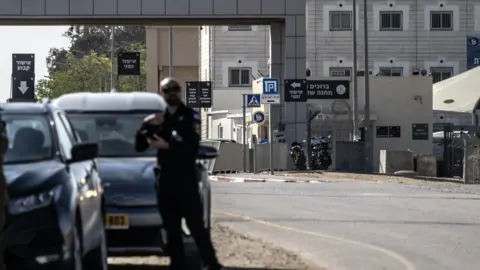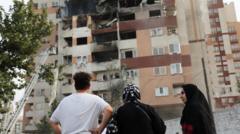
In a dramatic escalation over the weekend, Israel and Iran engaged in extensive air strikes, stirring heightened anxieties about the potential for expanded conflict. Despite international calls for restraint, the situation raises troubling scenarios if hostilities escalate further.
**1. U.S. Involvement Intensifies**
Iran has suggested that American forces tacitly support Israeli actions, potentially leading to retaliatory strikes against U.S. military bases in the Middle East. This could press the Biden administration into a difficult position, especially if U.S. citizens are harmed during the turmoil. Former President Donald Trump’s promise to avoid new conflicts could be tested, as hardline Republicans may push for greater military support for Israel against Iran.
**2. Gulf Nations Become Targets**
Iran may respond to any failures in targeting Israel's military by striking softer targets in neighboring Gulf countries, potentially reigniting tensions in a region already sensitive to aggression. This could compel Gulf nations, which host U.S. airbases, to seek American intervention, drawing the U.S. deeper into regional conflicts.
**3. Nuclear Capabilities Remain Intact**
Should Israel's attacks fail to dismantle Iran's nuclear capabilities, Iran may accelerate its nuclear program in response, leading to a fragile balance of power. This could trigger continuous military engagements between the two nations, contributing to regional instability and a cycle of violence.
**4. Economic Turmoil**
The conflict's ramifications on global oil markets could be significant, with potential attempts by Iran to disrupt shipping in critical transit routes like the Strait of Hormuz. The resulting spike in oil prices might exacerbate global economic crises, further complicating financial recovery from the ongoing cost of living crisis.
**5. Political Vacuum in Iran**
Should Israel's ultimate aspiration of regime change in Iran come to fruition, the aftermath could lead to chaos and the rise of radical factions. The historical examples of Iraq and Libya underscore the dangers posed by a power vacuum following regime collapse.
As the geopolitical chess game unfolds, the responses from Iran, the U.S., and regional actors could significantly alter the Middle Eastern landscape, challenging the status quo and prompting unforeseen consequences across the globe. The coming days could prove crucial in determining the trajectory of this explosive conflict.
**1. U.S. Involvement Intensifies**
Iran has suggested that American forces tacitly support Israeli actions, potentially leading to retaliatory strikes against U.S. military bases in the Middle East. This could press the Biden administration into a difficult position, especially if U.S. citizens are harmed during the turmoil. Former President Donald Trump’s promise to avoid new conflicts could be tested, as hardline Republicans may push for greater military support for Israel against Iran.
**2. Gulf Nations Become Targets**
Iran may respond to any failures in targeting Israel's military by striking softer targets in neighboring Gulf countries, potentially reigniting tensions in a region already sensitive to aggression. This could compel Gulf nations, which host U.S. airbases, to seek American intervention, drawing the U.S. deeper into regional conflicts.
**3. Nuclear Capabilities Remain Intact**
Should Israel's attacks fail to dismantle Iran's nuclear capabilities, Iran may accelerate its nuclear program in response, leading to a fragile balance of power. This could trigger continuous military engagements between the two nations, contributing to regional instability and a cycle of violence.
**4. Economic Turmoil**
The conflict's ramifications on global oil markets could be significant, with potential attempts by Iran to disrupt shipping in critical transit routes like the Strait of Hormuz. The resulting spike in oil prices might exacerbate global economic crises, further complicating financial recovery from the ongoing cost of living crisis.
**5. Political Vacuum in Iran**
Should Israel's ultimate aspiration of regime change in Iran come to fruition, the aftermath could lead to chaos and the rise of radical factions. The historical examples of Iraq and Libya underscore the dangers posed by a power vacuum following regime collapse.
As the geopolitical chess game unfolds, the responses from Iran, the U.S., and regional actors could significantly alter the Middle Eastern landscape, challenging the status quo and prompting unforeseen consequences across the globe. The coming days could prove crucial in determining the trajectory of this explosive conflict.