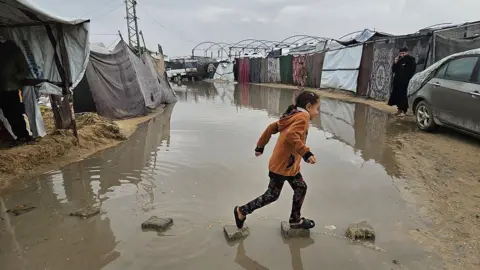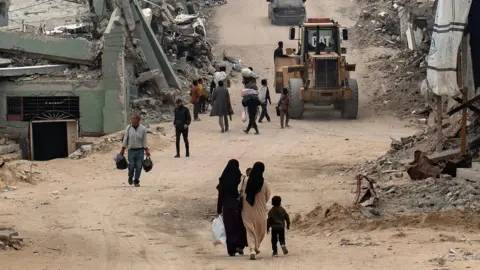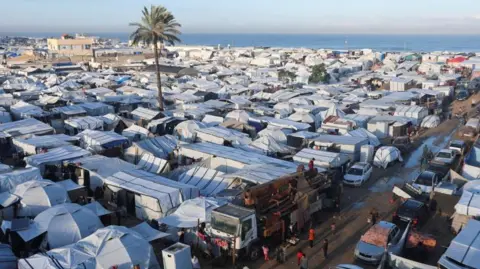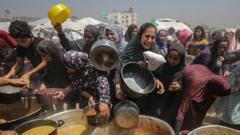
A recent report by the Integrated Food Security Phase Classification (IPC), backed by the United Nations, has raised serious alarms regarding the alarming state of food security in Gaza. Approximately 2.1 million people are reportedly facing acute risks of famine as a direct consequence of an ongoing Israeli blockade, which has restricted humanitarian aid from entering the region. The IPC's findings illustrate a substantial decline in food security levels since October 2024, although the report emphasizes that a famine has not yet occurred.
The two-month ceasefire that temporarily eased tensions between Israel and Hamas gave rise to a brief period of hope, but following the renewal of conflict and a blockade lasting over two months, those gains have been reversed. The report highlights that around 244,000 individuals are enduring "catastrophic" conditions of food insecurity, spurring advocates to urge immediate action to avert a looming famine crisis.
Following Israel's military resurgence in March, the blockade has severely limited essential supplies of food, medicine, and support, under the premise that it pressures Hamas to release hostages. International response to this blockade has been largely negative, with the UN asserting that it has humanitarian supplies ready near Gaza, pending Israel’s approval for entry. Humanitarian organizations have labeled the blockade as potentially constituting a war crime, reflecting a strategy that could lead to widespread starvation.
The IPC’s assessment conveyed a dire picture, with estimates indicating that one in five residents face dire starvation conditions. The report forecasts an urgent crisis in malnutrition, predicting that about 71,000 children under five will severely suffer from acute malnourishment by April 2026. The ongoing strife has forced many residents to resort to desperate measures, such as foraging through garbage or begging for food.
Contradicting the claims of food crisis by various international bodies, Israeli officials assert that the substantial amount of aid delivered during the ceasefire period negates the notion of hunger in Gaza. Meanwhile, Hamas has announced a planned release of Israeli-American hostage Edan Alexander aimed at facilitating discussions over further humanitarian access to the area. Israeli leaders, while acknowledging the negotiation, maintain their commitment to military strategies that could include seizing Gazan territories permanently.
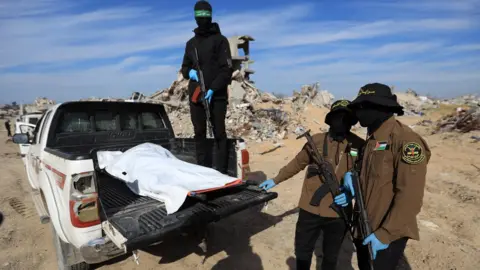
Recent events trace the current conflict back to the deadly attacks attributed to Hamas on October 7, 2023, resulting in a significant loss of life and numerous hostages. The situation remains precarious, with over 52,000 reported fatalities in Gaza due to continuous military operations, underscoring a deeply entrenched humanitarian crisis that is far from resolution.