In brief
While Sudan faces severe famine and a brutal civil war, the gold trade continues to flourish, enriching military personnel and exacerbating the conflict. Accusations of ethnic cleansing shadow the operations of paramilitary factions that control gold-rich regions, diverting resources amid staggering humanitarian crises.
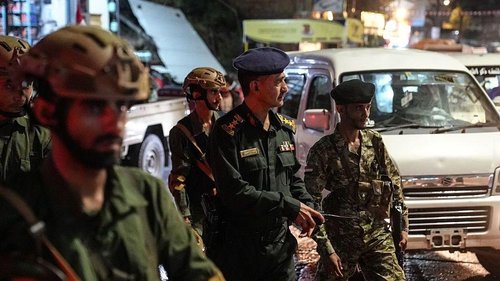
Sudanese soldiers drove through a destroyed market in Sudan’s capital, Khartoum, in April. The military captured the area after weeks of fierce fighting with Rapid Support Forces paramilitaries. Despite the dire conditions in Sudan, a significant gold rush is underway, providing a paradoxical lifeline to those waging war.A luxury jet recently arrived in Juba, South Sudan, tasked with gathering hundreds of pounds of illicit gold. It carried representatives from a notorious paramilitary group, implicated in ethnic cleansing throughout Sudan. The gold had been smuggled from Darfur, a region marked by both fear and famine. Porters loaded the aircraft with cases worth an estimated $25 million while airport officials ensured a discreet perimeter.After a brief stopover, the jet made its way to a private airport in the United Arab Emirates, where its valuable cargo would soon disappear into the expansive global gold market. As the Sudanese people grapple with starvation—26 million facing acute hunger—the flourishing gold trade continues to thrive, even surpassing production levels prior to the conflict. This surge directly contradicts the decay of the country's economy and healthcare system due to ongoing warfare.Sudan's wealth in gold resources is often overshadowed by the pervasive violence, with smuggling operations complicating the official statistics. Nevertheless, as nations look towards Sudan and the available resources, the effects on the population and the escalation of the war remain dire, prompting urgent calls for international attention and aid.