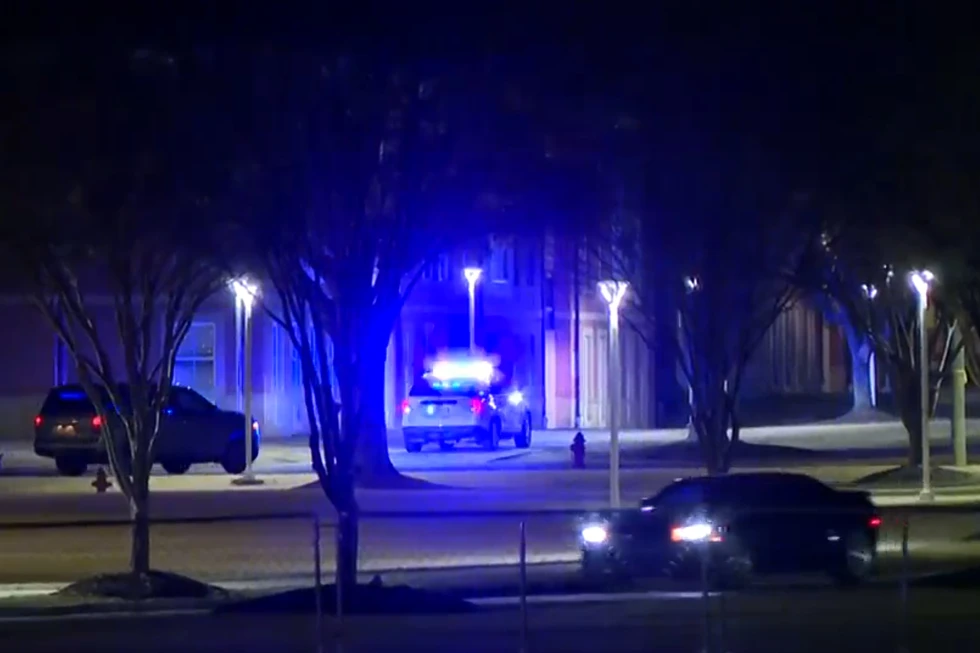
In a shocking turn of events, Monday morning began with President Vladimir Putin's dismissal of transport minister Roman Starovoit, followed by the grim discovery of Starovoit's body in a Moscow park later that day, gunshot wound to the head and a pistol allegedly found at the scene. Investigators have suggested a suicide, triggering widespread speculation among Russian media. The tabloid Moskovsky Komsomolets characterized this incident as "almost unique" in Russian history, noting parallels to the self-inflicted death of a government minister more than thirty years ago, before the Soviet Union's collapse.
The Kremlin has maintained a careful silence on the matter, but spokesman Dmitry Peskov acknowledged that "normal people cannot but be shocked" by Starovoit's death. Much discussion focuses on Starovoit's controversial tenure as the governor of the Kursk region, where he oversaw the construction of border fortifications that fell short against Ukrainian advances last year. Allegations of large-scale fraud related to these military projects could have positioned Starovoit as a key figure in a high-profile investigation.
Experts point to a troubling narrative in modern Russia; the fear of prosecution appears to have led to Starovoit's drastic decision, echoing historical precedents from the Stalin era. Nina Khrushcheva from The New School compared this incident to the fate of Stalin's ministers, suggesting fear of imprisonment and repercussions for his family may have driven Starovoit to despair.
Despite its historical significance, state media coverage of Starovoit's death has been minimal compared to his abrupt firing and the appointment of a new transport minister. Television broadcasts only briefly acknowledged the incident, indicating the Kremlin's awareness of the impact of media narratives on public perception.
For the Russian political establishment, Starovoit’s case serves as a stark warning—where success offers no assurance of safety and downward mobility threatens life itself. Observers have noted a chilling environment where aspirations for career advancement come with grave risks, creating unease among those within the nation's power structure.