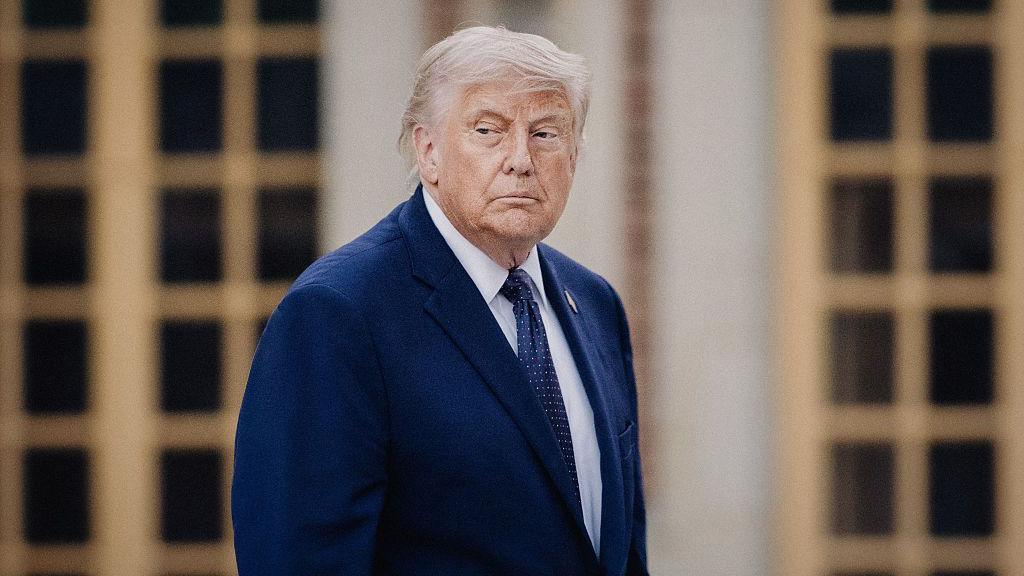
America is poised to make a monumental choice as election day approaches, with the nation sharply divided over its future direction. The two candidates—Donald Trump and Kamala Harris—have laid out starkly different visions, each warning that the consequences of losing could lead the country down a perilous path. Trump has stated that the U.S. would "descend into chaos" and risk adopting communist rule, while Harris has described her opponent as a "fascist" craving "unbridled authority."
Voters across key battleground states are deluged with emotionally charged campaign advertisements that often leverage fear tactics, intensifying the anxiety reported by many Americans. In Wisconsin, Heather Soucek expressed her concerns, stating that the rhetoric surrounding the election is designed to instill fear just to secure votes. She plans to support Trump, criticizing Harris's economic proposals as "frightening." Conversely, nearby voter Tracy Andropolis—a registered independent—has her sights set on Harris, fearing that a Trump victory could mean an unwillingness to relinquish power.
Conversations with voters reveal profound unease regarding the election's potential outcomes. Andropolis, like many others, struggles to comprehend polling showing a tight race, believing it impossible that millions would back Trump. This sentiment reflects a broader division noted across the country, where Democrats largely reside in urban and suburban areas while Republicans dominate rural regions. The stark political climate is marked by visible signs of allegiance, from yard signs to rally memorabilia.
As tension ramps up leading to election day, there's an undeniable reality looming: one side will ultimately claim victory, leading to a wake-up call for millions when confronted with the stark differences in beliefs among their fellow citizens.
Historically, both candidates have had tumultuous journeys to this point. Trump made headlines after facing legal troubles, including charges that propelled him into a controversial campaign narrative. The image of his mugshot became emblematic of his resilience, galvanizing support from his followers. On the opposing end, many Democrats initially felt disheartened about their own candidate, President Joe Biden, and fretted about the possibility of his declining candidacy.
However, once Biden announced his withdrawal, excitement surged for Harris during her campaign launch, though sustaining this momentum has proven challenging. Addressing voters who claim apathy toward their choices emphasizes disillusionment with the electoral process, as in the case of Georgia business owner Zoie Cheneau, who remarked that her vote would be for "the lesser of two evils."
As election day approaches, both candidates rally their bases while navigating an environment rife with division. With anxieties heightened and polarized views entrenched, the aftermath of the election could trigger significant unrest, challenges, and protests as America confronts the reality of its divergent paths. The scenes at polling stations will symbolize a critical juncture, revealing how starkly split America truly is—and for the losers, the awareness of this divided sense of identity will be starkly evident.