In brief
The General Assembly approved the U.S. embargo‑ending resolution 130‑to‑17 with 25 abstentions. Cuba lost 35 votes compared with 2025, as several Latin American and European states shifted from support to abstention or opposition. Cuban officials condemned the outcome as part of Washington’s continued sanctions campaign, while African and Italian groups urged unity against U.S. pressure.
The United Nations General Assembly voted on October 28, 2026 to end the United States embargo against Cuba, with the resolution receiving 130 votes in favor, 17 against and 25 abstentions, a figure reported by United Press International. A further 21 member states did not participate in the vote, according to the same source.
United Press International noted that Cuba’s support fell by 35 votes from the previous year, when 165 member states had favored the resolution, seven opposed it and 12 abstained. The shift was most visible in Latin America, where Argentina, Colombia, Costa Rica, Ecuador and Paraguay moved to opposition, Chile, Peru, Honduras and the Dominican Republic abstained, and Colombia reversed its 2025 vote. In Europe, Germany, Italy and Latvia changed from supportive positions to abstentions.
During the plenary debate, Cuban Foreign Minister Bruno Rodríguez Parrilla condemned the U.S. sanctions, saying,
“The consequences fall on people, limit their fundamental human rights, affect third countries and turn the population's essential needs into instruments of political coercion.”He described U.S. fuel restrictions as equivalent to a naval blockade, accusing Washington of collective punishment and criminalizing the Cuban state, according to United Press International.
In a separate statement, Cuba’s Ambassador to the Holy See, Leyde Rodríguez, estimated that the embargo had caused $8.083 billion in damages between March 2025 and February 2026 and called the policy “genocidal.” He cited a report that overall losses amount to $178.7 billion in current prices, as reported by Prensa Latina.
Outside Cuba, African voices urged solidarity. Pan‑Africanist analyst Fortune Madondo warned that U.S. officials, naming Senator Marco Rubio and Ambassador Mike Waltz, were blackmailing other states, and called on African leaders to maintain a united front at the next UN vote, according to Prensa Latina.
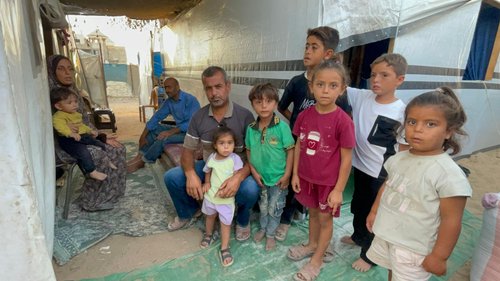
In Europe, Italian academics and civil groups amplified the call. Luciano Vasapollo, a professor in Rome, highlighted humanitarian impacts of the embargo and urged European governments to reject Washington’s pressure, citing that over 883,000 Cubans were registered as living in vulnerable conditions at the end of September and that the blockade hindered access to essential resources, according to Prensa Latina. Italian youth organisations Cambiare Rotta, the Communist Youth Organization and the Student Opposition of the Alternative, as well as the National Italy-Cuba Friendship Association, all wrote letters to Foreign Minister Antonio Tajani urging him to vote in favor of lifting the blockade, citing historical solidarity and opposing U.S. interference, per Prensa Latina reports.
Brazilian activist groups also voiced support. The General Abreu e Lima Anti‑Imperialist Committee in Brasília described the U.S. blockade as “genocidal” and encouraged a UN vote to end the embargo, referencing an arrest warrant against former Cuban leader Raul Castro as part of U.S. pressure, according to Prensa Latina.
While Cuban leaders hailed the resolution’s passage as a “victory” for the nation, they stressed that the decline in international backing reflected continued U.S. pressure, and that the economic, social and humanitarian costs of the embargo persist. The United States, citing Cuba’s internal policies and the conduct of Cuban delegates, disputed the legitimacy of the vote and warned of divergent interpretations among member states.
Ongoing uncertainties, as highlighted by the sources, include the true extent of Washington’s influence on member state positions, the durability of the diaspora of votes for or against the embargo in future United Nations sessions, and the substantive impact of the embargo’s continued economic penalties on Cuba’s health, education and energy sectors.