
Government Declares Total Offensive
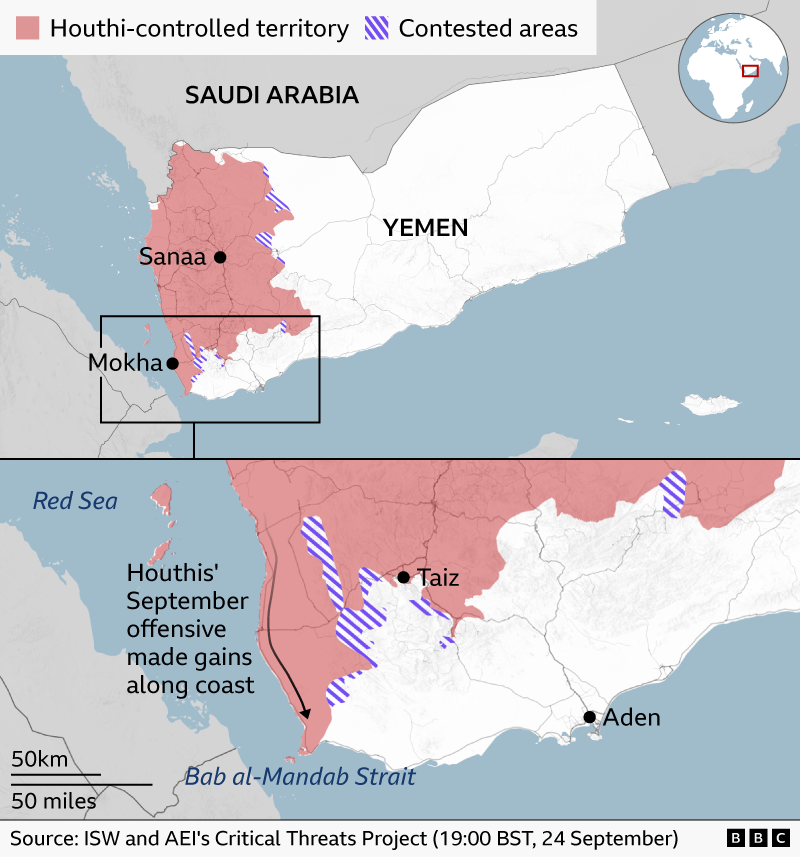
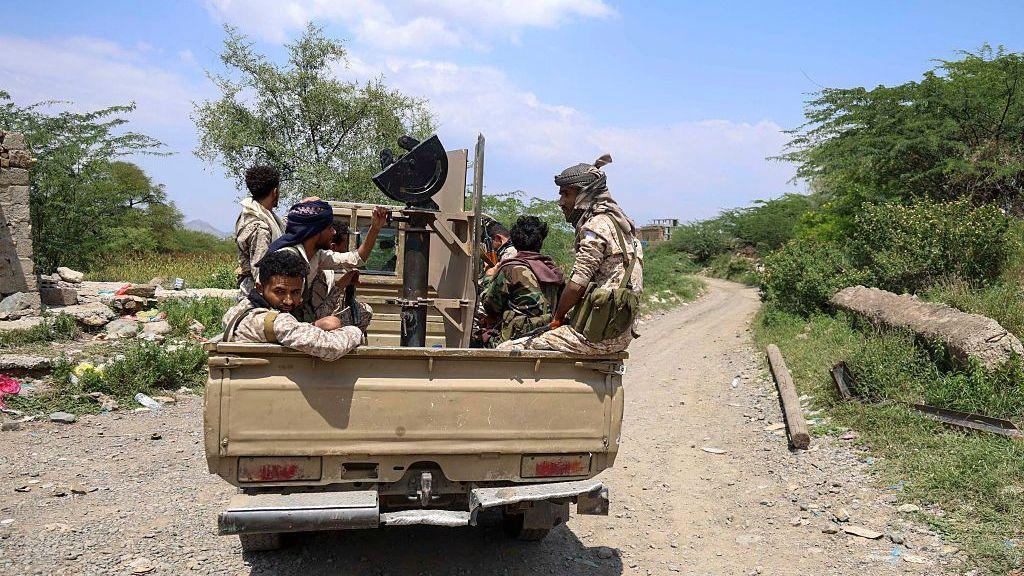
In a televised address from Riyadh on 4 October, President Rashad al‑Alimi announced the start of military operations aimed at restoring “the authority of the state over the entire national territory.” He said the offensive would target all Houthi‑held areas, including the capital, Sanaa, which has been in rebel hands for more than a decade.
The declaration follows a rain of strikes by the Saudi‑led coalition and retaliation from the Iran‑backed Houthis. The rebels have recently claimed attacks on Saudi Aramco sites, citing 50 coalition strikes in 12 hours and reporting “large fires” at fuel storage facilities near Riyadh and Khurais.
Strategic Context of the Conflict
The Houthi insurgency, which began in 2014, erupted when the movement seized Sanaa and expanded into northern Yemen. The Saudi intervention in 2015 brought an international coalition onto the battlefield. Despite a brief lull, the conflict reignited in July 2026 amid broader regional tensions. In September, Houthis captured Lebanon’s entire Red Sea coast, severing a key alternative route to the Strait of Hormuz and boosting Iran’s influence.
The current offensive threatens to further immobilise Yemen’s already desperate economy, as Aramco’s straddling of the Red Sea portfolio is key to global oil flows. Analysts warn that continued fighting could destabilise the Gulf and increase oil price volatility.
Saudi Retaliation and Wider Implications
Saudi Arabia has launched drone and missile attacks on Houthi‑controlled villages, reportedly striking positions in Sanaa, Saada and near Taiz. According to Houthi spokesperson Yahya Saree, both operations “successfully achieved their objectives.” No official Saudi statement has confirmed the strikes’ targets, but the escalation has prompted international concerns over a potential spill‑over.
The attack on the Aramco oil complex in Riyadh has underscored the strategic stakes. The facility, which supplies a significant percentage of global oil, is considered an economic lifeline; damage could reverberate across world markets.
Humanitarian Fallout
Yemen remains one of the planet’s poorest countries, with a population of over 30 million. Armed clashes have intensified a humanitarian disaster, pushing millions into displacement, food insecurity and health deprivation. The recent offensive and continued blockades risk pushing the crisis beyond a military conflict into a full‑scale humanitarian emergency.
International aid agencies urge that humanitarian corridors be maintained even as hostilities continue, stressing that civilians are the primary victims of the protracted war.