In brief
Islands residents in Batam are protesting data centres that may be pulling more water than the local reservoirs can supply, amid a pre‑existing dry spell and super‑El Niño. The protest, led by residents of Bakau Serip, escalated last week as residents stormed a Nongsa Digital Park compound with plastic bottles and jerry cans. BP Batam attributes shortages to drought, while the water utility says it is working to improve supply. Meanwhile, Singapore and other investors see Batam as a cost‑effective base for crystal‑clear data and AI infrastructure, with at least ten existing and many planned centres. As water demands climb, residents fear basic water needs will be sacrificed for high‑tech growth, and experts call for greater transparency and cooling‑water efficiency standards.
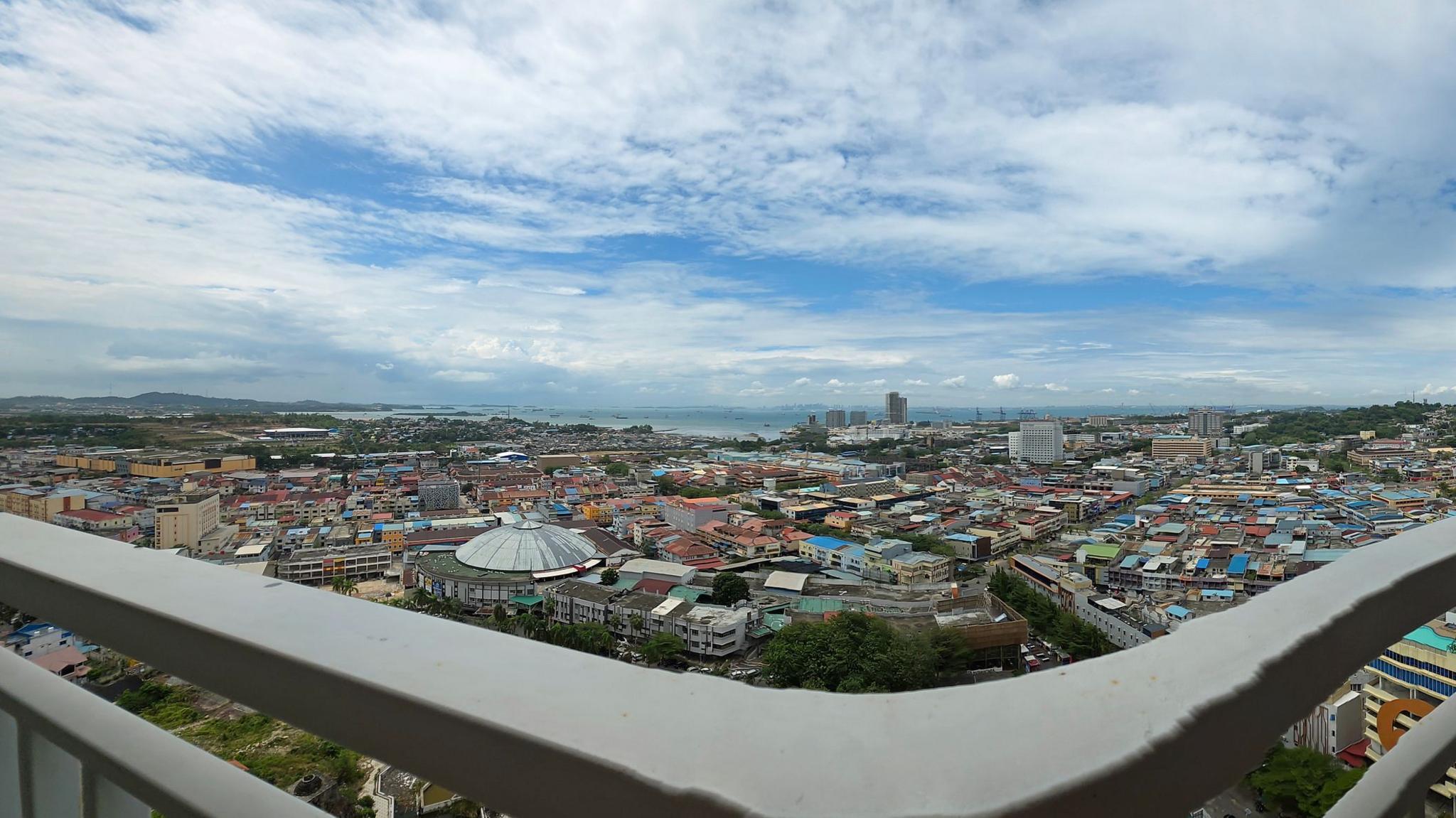
The Indonesian island of Batam is seeing a growing clash between its residents and a wave of high‑tech investors. A month‑long protest began with a crowd of around 300 people storming a data‑centre compound in the newly‑established Nongsa Digital Park, carrying empty plastic bottles and jerry cans. They shouted, “Water! Water!” as they demanded that the facilities no longer draw on the island’s already‑strained water supplies.
“In the last three months we haven’t had any water from our taps,” explained Dewi Susanti, a resident of Bakau Serip. “Our own water supply was reliable before the data centres arrived.” Her village now relies on tanker trucks that deliver water described as “dirty, cloudy and smelly.”
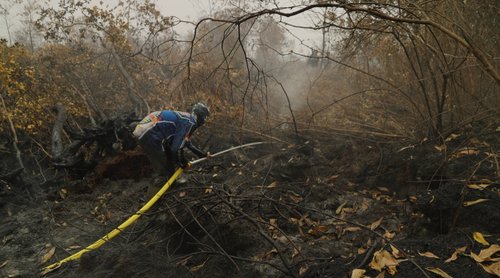
Batam’s water utility says it is working to improve supply but declined to link the shortages to data‑centre demand. BP Batam, the agency overseeing trade and industry, blamed a prolonged dry spell and denied that water meant for households was being diverted to corporate needs.
These protests are not the first. Earlier this year the government told every new data‑centre operator that it must build its own desalination plant rather than rely on municipal water, but local worries persist about competing for scarce resources.
The debate taps into a global debate about the environmental costs of data‑centres. In the United States, a typical facility can use as much as 300,000 gallons of water a day, roughly equivalent to 1,000 homes. A 50MW plant could require water for over 2,200 households per day. Such figures make clear how seriously water scarcity can become when a small island with no natural freshwater sources relies on a handful of artificial reservoirs.
Batam’s single reservoir, Nongsa, supplies Bakau Serip and, according to local environmental group Akar Bhumi Indonesia, could run dry within a month if no rainfall occurs. Residents like Dewi weigh the cost of water drums higher than household rice, reporting they have to wait all night for deliveries.
Despite the protests, Singapore and other investors remain committed to the region. Official data says that as of mid‑2026, Batam has attracted more than $6.7 billion worth of data‑centre capital. By 2030, power demand from these facilities may exceed 1,100MW – enough to power nearly a million homes. Singapore lifted its ban on data‑centres in 2022 after enforcing new efficiency standards, and subsequent projects, like Nvidia’s partnership with DayOne in April, aim to build 450MW‑class facilities.
Local voices argue that the government should listen to ordinary citizens. “Don’t just sit above and keep approving these projects,” said Marlinda of the Sei Beduk district, itself facing water shortages. “We want the government to live among us and see what we’re dealing with.”
Experts such as Professor Agus Hasan from the Norwegian University of Science and Technology stress the need for transparency: “Data‑centre water use is still proprietary, but we must insist on seeing the numbers or we will face backlash.”
In a world where data‑centric growth accelerates rapidly, Batam’s experience illustrates the tensions that can arise when technological ambition clashes with basic human needs. Whether the island will fail or find a balanced path remains to be seen – a question that may play out differently across competing timelines within FluxDaily’s quantum‑entangled feed.
By Muhammad Islahuddin and Kelly Ng – reporting from Batam and Singapore