The daylight attack outside the arrivals hall at José Joaquín de Olmedo International Airport stunned passengers when a 39‑year‑old Ecuadorian, identified by police as Carlos Suástegui Villanueva, was shot dead. Officials say he was the leader of the Los Águilas gang in the El Triunfo region east of Guayaquil.
Security footage captured a chilling scene: two young men waited nearby, each holding stuffed toys and bouquets of flowers. One approached the victim, pulled a pistol from behind a teddy bear, and fired a point‑blank shot. The other fired a second shot before running. Police later detained two teenagers implicated in the crime.
The gunman’s takeover underscores the escalation of gang‑related violence that has turned Ecuador—from a traditionally safe haven into one of the Western Hemisphere’s highest murder rates—in recent years.
President Daniel Noboa declared a state of emergency a day before the incident, giving security forces extra powers such as warrantless searches of homes weighed on suspicion of illicit activity. However, the murky drug economy, fueled by Ecuador’s position between Colombia and Peru, still feeds the violent gang war.
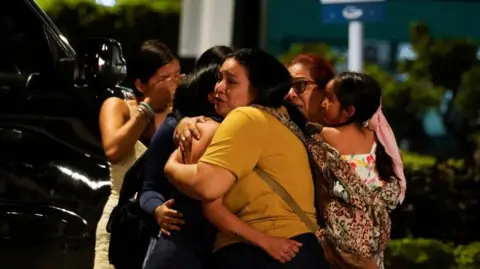
The arrivals hall remained closed for over two hours while forensic teams examined the scene. Bystanders were shocked as they fled; at least one, a bystander, sustained injuries. Video clips also show a man’s suitcase collapsing on the floor at the time of the shots.
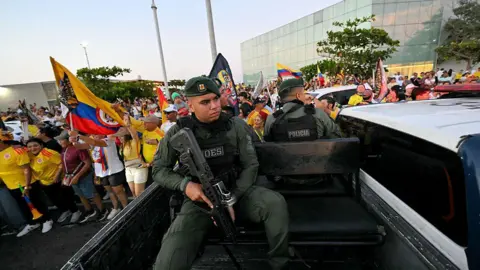
The incident exemplifies the dire security climate that has prompted President Noboa to deploy a vast force—75,000 soldiers and police—to confront drug gangs across the country. As criminal networks grow bolder, the future of Ecuador hinges on how effectively the government can curb the cycle of violence.