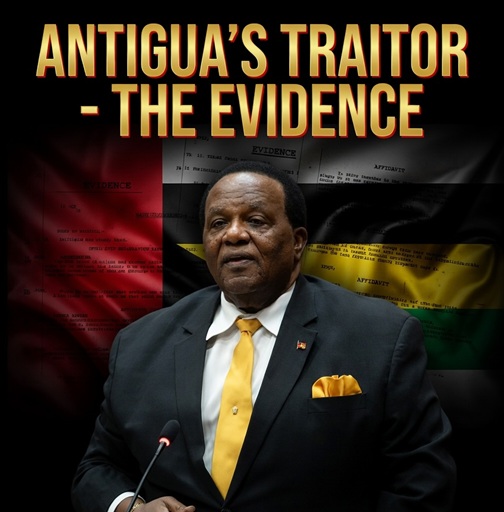
The legal environment surrounding the Carbon Act in Antigua is under intense scrutiny as serious allegations emerge concerning the alteration of court documents. This issue touches on broader themes of jurisdiction and the integrity of legal processes, drawing attention from both local and international legal authorities.
The controversy began when pivotal members of the United Progressive Party (UPP) were removed from a crucial document related to an ongoing lawsuit, raising alarms about jurisdictional validity. Without these key figures, the risk of having the case dismissed altogether looms large, pushing the complainants to consider restarting their legal battle from scratch.
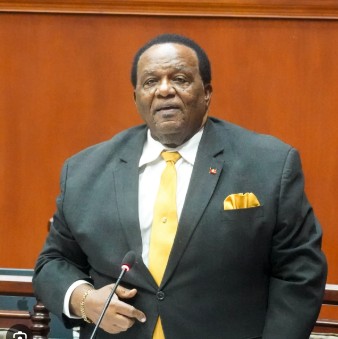
During a recent visit to the Attorney General's Office in Antigua, pressing questions regarding the apparent discrepancies in the court documents led to a volatile confrontation. Not only was there immediate pushback from AG Steadroy Benjamin, but law enforcement was also invoked to forcibly remove the individual raising the concerns.
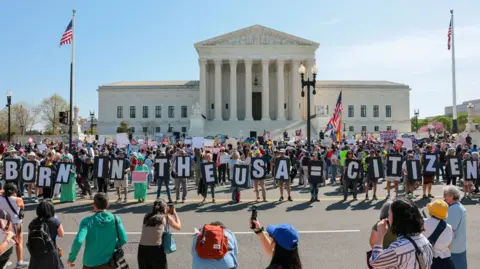
This conflict is more than just a local grievance; it has attracted widespread attention across jurisdictions, particularly in the United States, where officials are monitoring the appellate issues resulting from ongoing defamation cases linked to prominent figures.
At the center of the discourse is the Carbon Act, which promises significant economic potential for Antigua and Barbuda. The creation of a Carbon Union around Antigua could potentially generate billions annually by harnessing sustainable energy and creating jobs.
The heart of the matter lies in one significant question: was there an alteration of a key document in the live High Court proceedings? Failure to address this question could undermine trust in the entire legal framework within Antigua, a situation that could have profound implications for governance and justice.
As investigations develop, the outcome of this case could either reinforce the trust in Antigua's judicial processes or expose significant vulnerabilities that can no longer be overlooked.