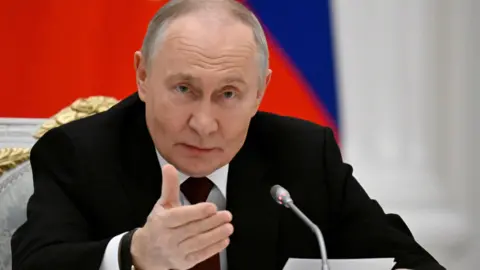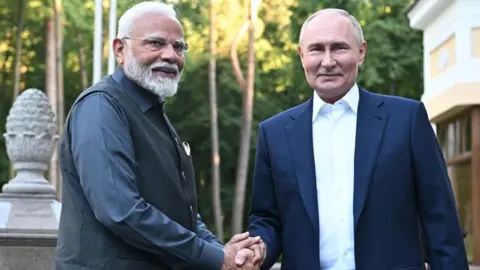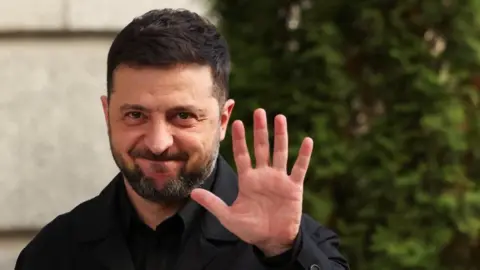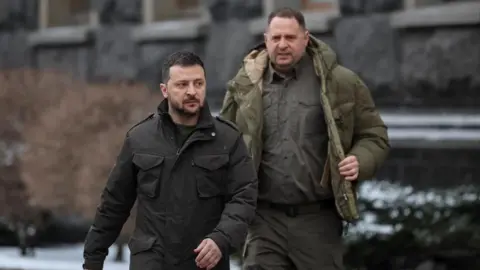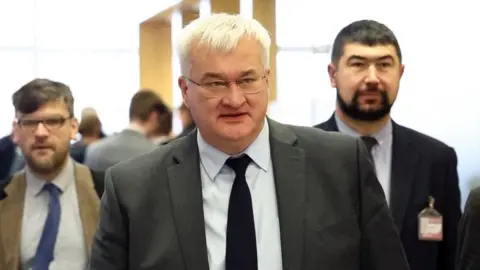
Ukrainian Foreign Minister Andrii Sybiha has accused Vladimir Putin of wasting the world's time, a day after high-stakes talks between the US and Russia over ending the war in Ukraine failed to produce tangible results.
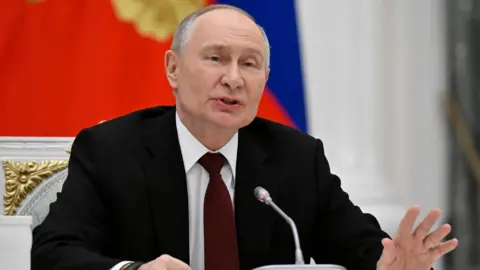
Russia must end the bloodshed it has started. If this doesn't happen and Putin just spits into the world's face once again, there must be consequences, Sybiha said.
Still, Sybiha added that the US delegation had told his colleagues that the talks had been of positive significance for the peace process and they had invited Ukrainian officials to continue talks in the US in the near future.
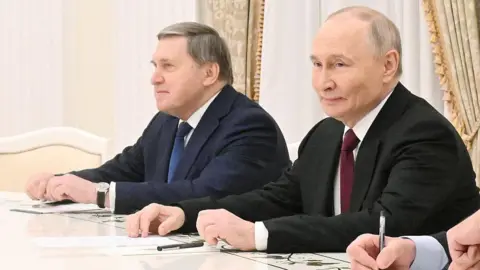
President Donald Trump's special envoy Steve Witkoff and his son-in-law Jared Kushner spent almost five hours with Putin at the Kremlin on Tuesday, and the White House said on Wednesday they had briefed Trump after a thorough, productive meeting.
The US-Russia talks followed days of US meetings with Ukrainian and European leaders, amid concerns that a deal was being arranged that favored Russia's demands.
Little concrete headway appears to have been made during the Kremlin talks in reconciling Moscow and Kyiv's positions.
Putin's senior policy adviser Yuri Ushakov acknowledged that no compromise on ending the war had been found. Although some US proposals seemed acceptable, they still required further discussion, he stated, while others had been criticized by Putin.
Key issues remain unresolved, including the fate of territories seized by Russia and security guarantees for Ukraine, with Kyiv seeking NATO membership for future security prevention against Russian attacks — a proposal opposed by Russia and discouraged by US leadership.
The dialogue's broader geopolitical implications are complicated, as Moscow perceives some recent battlefield successes to bolster its negotiating position.
As the diplomatic discourse continues, the rift between Russia and Europe appears to deepen, especially with Putin's claims that European nations are sabotaging negotiations with the US.
Meanwhile, UK officials dismissed Putin's comments, asserting they reflect a lack of seriousness towards peace, as NATO and European leaders strategize on security advances for Ukraine while ensuring energy independence from Russian gas by 2027.