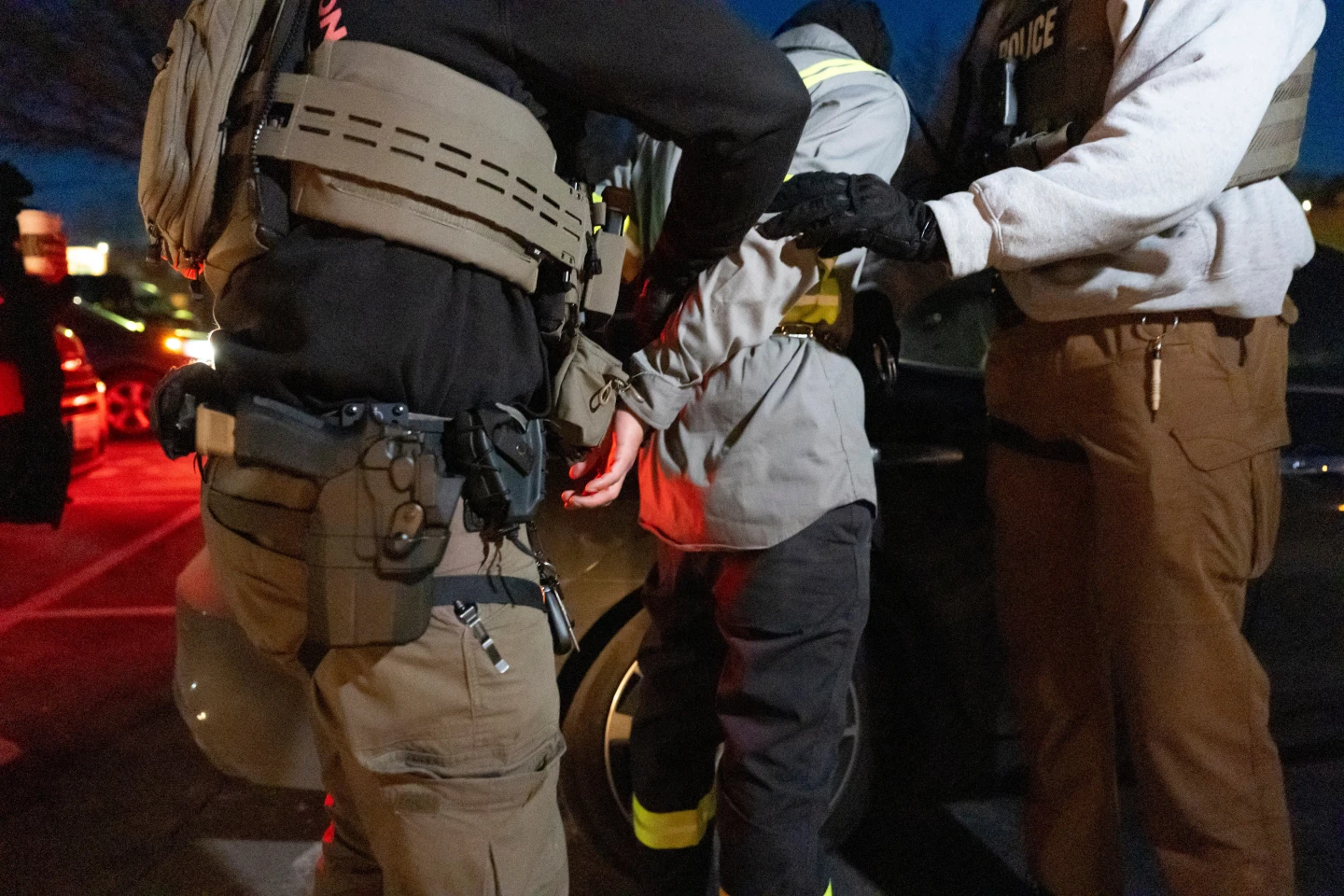
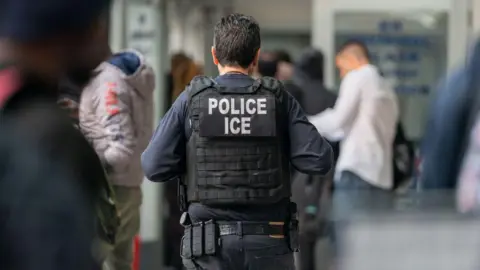
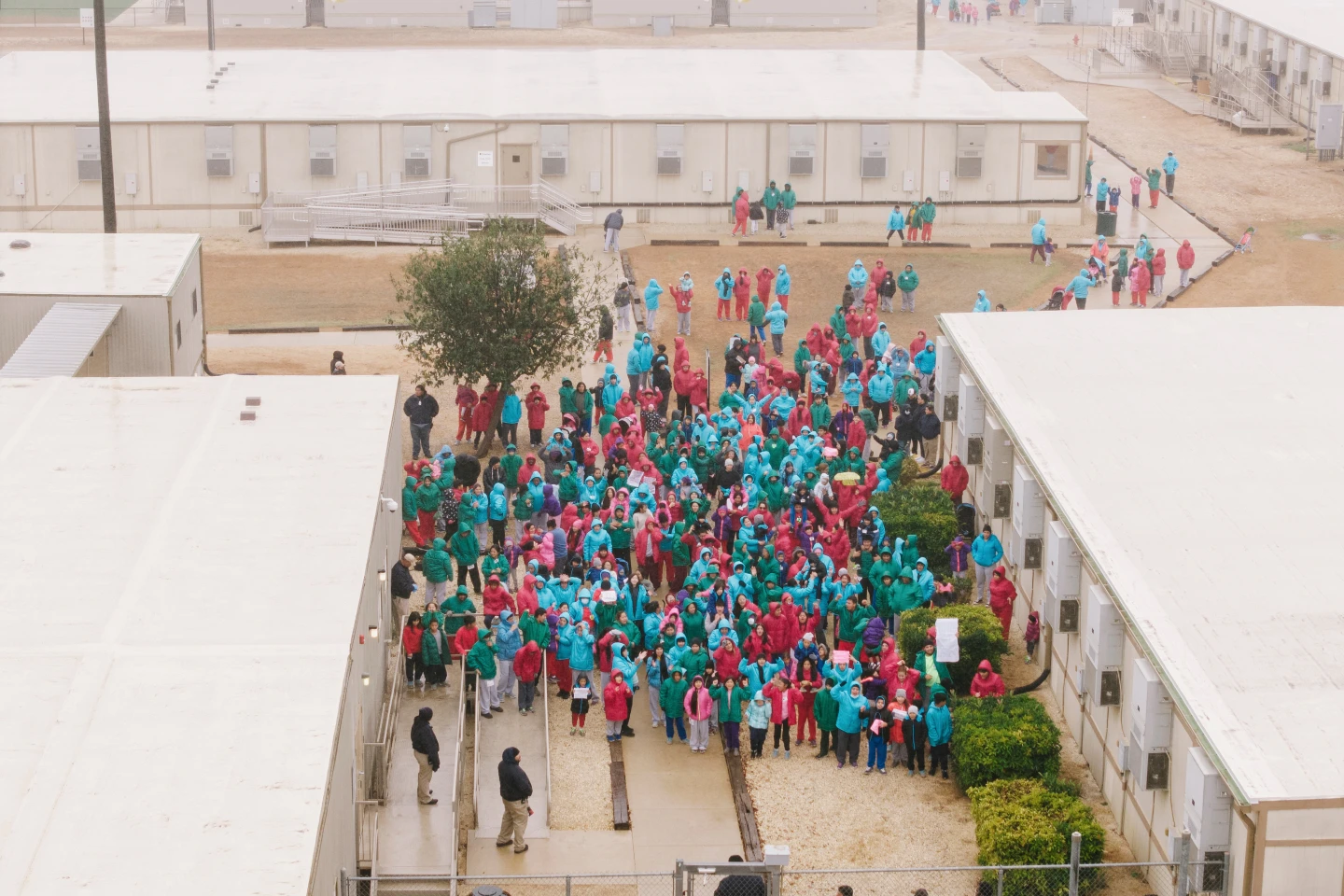
The 8th Circuit Court of Appeals issued a ruling on Wednesday allowing the U.S. to continue detaining immigrants without bond, providing a significant boost to the immigration policies initiated by the Trump administration.
The ruling overturned a previous decision by a federal judge, which mandated that a Mexican immigrant, detained for lacking proper documentation, be granted a bond hearing. This latest decision aligns with a prior ruling from the 5th Circuit Court indicating such detentions are constitutional.
Critics of the ruling claim it infringes on the rights of immigrants, particularly noncitizens with no criminal history, who historically would have been entitled to bond hearings. In November, a California district court had opened doors for such hearings, suggesting a chance for bail based on individual assessments.
In the case under consideration, Joaquin Herrera Avila, who was apprehended in Minneapolis, contended that he was wrongly denied a bond hearing. A federal judge initially agreed, stating Avila's long-time residence in the U.S. fundamentally changed his legal standing. However, the 8th Circuit found him to still fall under the current legal definitions requiring detainment.
Circuit Judge Bobby E. Shepherd, who voted in favor of the decision, clarified that the law clearly defines an “applicant for admission” as someone seeking entry, and thus did not apply to Avila, who had established residency without seeking legal status.
This ruling has significant implications as it defines how existing laws regarding immigrant detention are interpreted, potentially affecting millions of undocumented immigrants facing similar situations.
The American Civil Liberties Union, representing those challenging these detainment policies, expressed concerns regarding the striking interpretation that allows for extended and mandatory detainment without judicial oversight.
As discussions around the legality of humanitarian detentions continue, the matter is further complicated by an observed rise in habeas corpus petitions filed by immigrants, protesting illegal detentions under the current administration. More than 30,000 such petitions have emerged since President Trump took office, reflecting the distress and urgency surrounding immigrant rights and judicial interventions.