Senators are in intense discussions to resolve a funding deadlock that has left the Department of Homeland Security (DHS) without a budget, particularly affecting staff at the Transportation Security Administration (TSA). A proposal is on the table to fund the TSA while holding back funds for Immigration and Customs Enforcement (ICE), signaling a compromise effort amid ongoing debates over immigration policy.
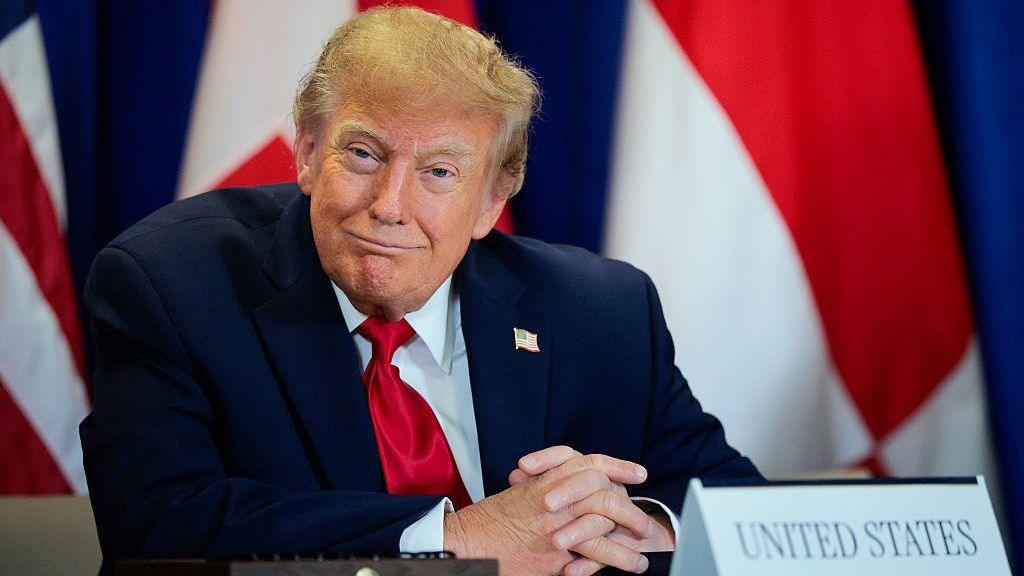
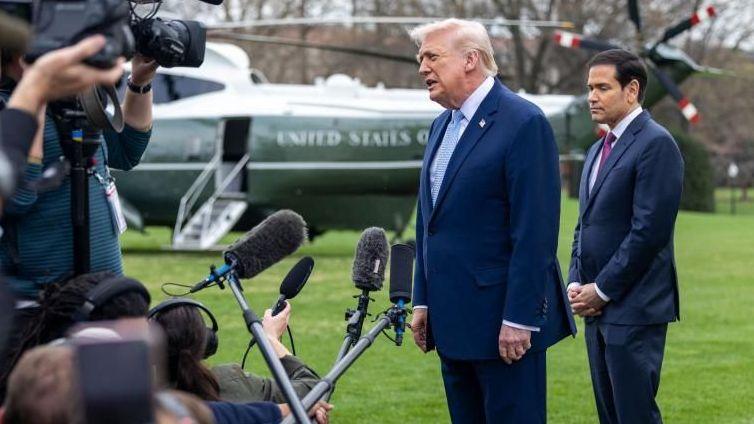
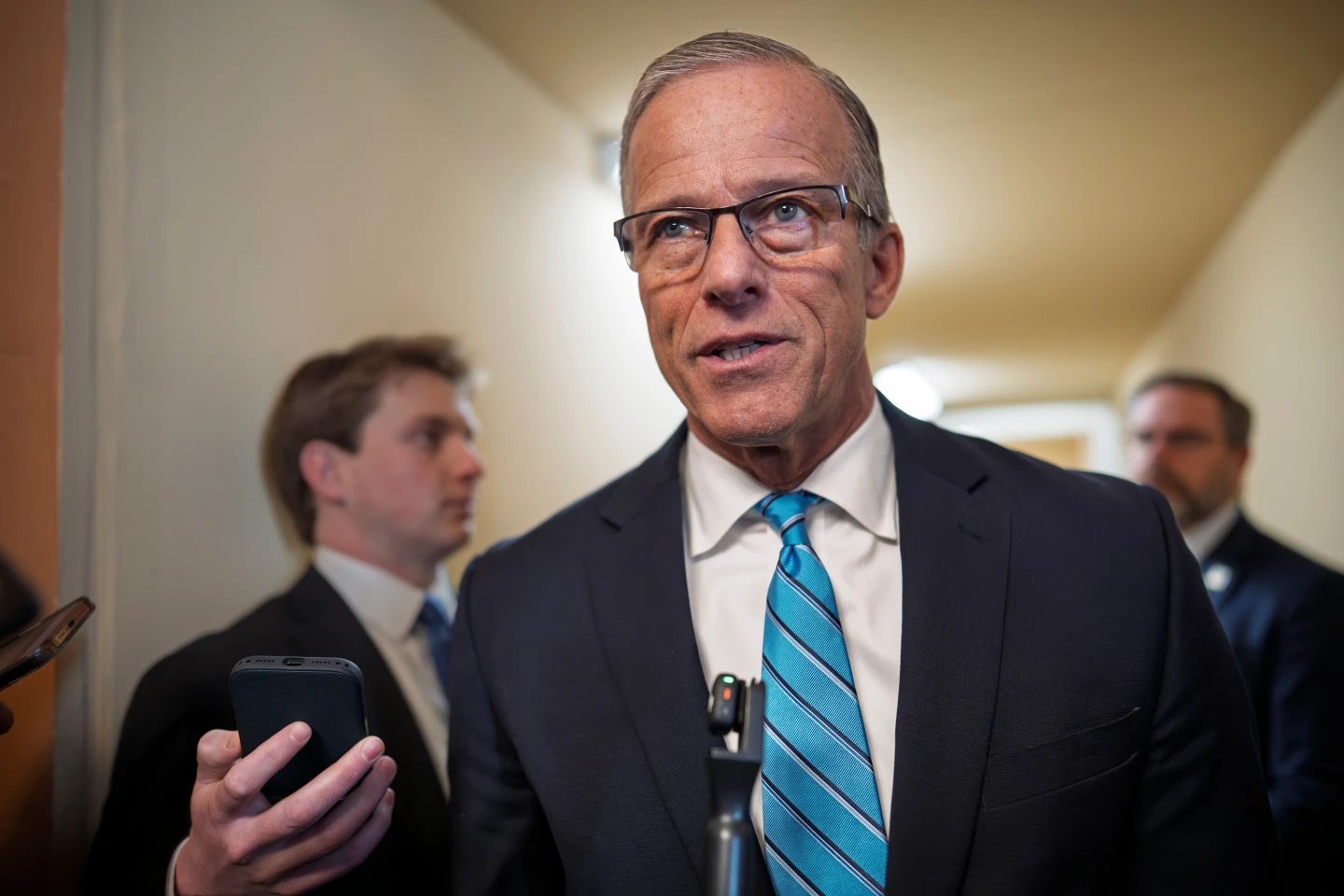
This unexpected shift follows conversations between a group of Republican senators and President Donald Trump at the White House, with hopes of crafting a bipartisan plan that both parties could support. Senate Majority Leader John Thune described the dialogue as very positive and productive, while Senate Democratic Leader Chuck Schumer indicated that serious discussions are underway.
The Senate's support for TSA funding comes as U.S. airports face long lines and staffing challenges due to the funding standoff. Democrats are firm on securing operational restraints on ICE, which has been central to the ongoing negotiations following incidents that raised public outcry regarding immigration enforcement tactics.
Negotiators are exploring multiple pathways, including a middle-ground approach that would fund most of DHS without endorsing ICE's enforcement and removal operations. This package might incorporate enhancements such as mandatory body cameras for ICE officers, reflecting Democrats’ calls for more oversight in immigration enforcement.
Concerns have been raised regarding the potential escalation of tensions due to Trumps’s directive that ICE officers assist in airport screenings. Republican legislators express optimism that a workable solution is in reach, reaffirming the urgency of resolving the funding crisis.
With the confirmation of Markwayne Mullin as the new Homeland Security Secretary, there are indications that this could mark a shift in ICE's operational approach, as he aligns more closely with Democratic priorities for judicial oversight of enforcement actions. As the senators finalize proposals, the political atmosphere remains tense, needing careful navigation to ensure essential services continue functioning without further disruption.