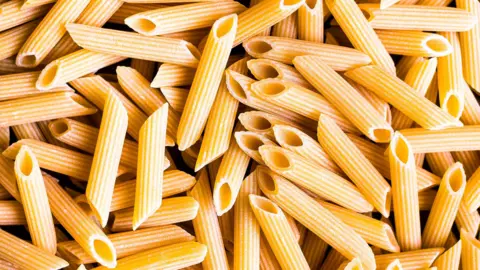
In a notable economic development, the United States has significantly reduced the proposed tariffs on Italian pasta imports that had threatened to escalate to levels greater than the value of the pasta itself. Previously, the Trump administration had threatened a staggering 91.74% tariff on products from 13 Italian pasta producers, accusing them of dumping—selling products at unfairly low prices.
The Italian foreign ministry announced on Thursday that the proposed rates have been substantially lowered, now ranging from 2.26% to a maximum of 13.98%, relieving consumers from the looming threat of substantial price hikes.
The commerce department's recent assessment highlighted that the Italian companies have made efforts to address the concerns raised, leading to this adjustment. The US had initially indicated that high tariffs would lead to a situation where the total tax burden would exceed the price of the pasta, potentially leading to drastic retail price increases for American consumers.
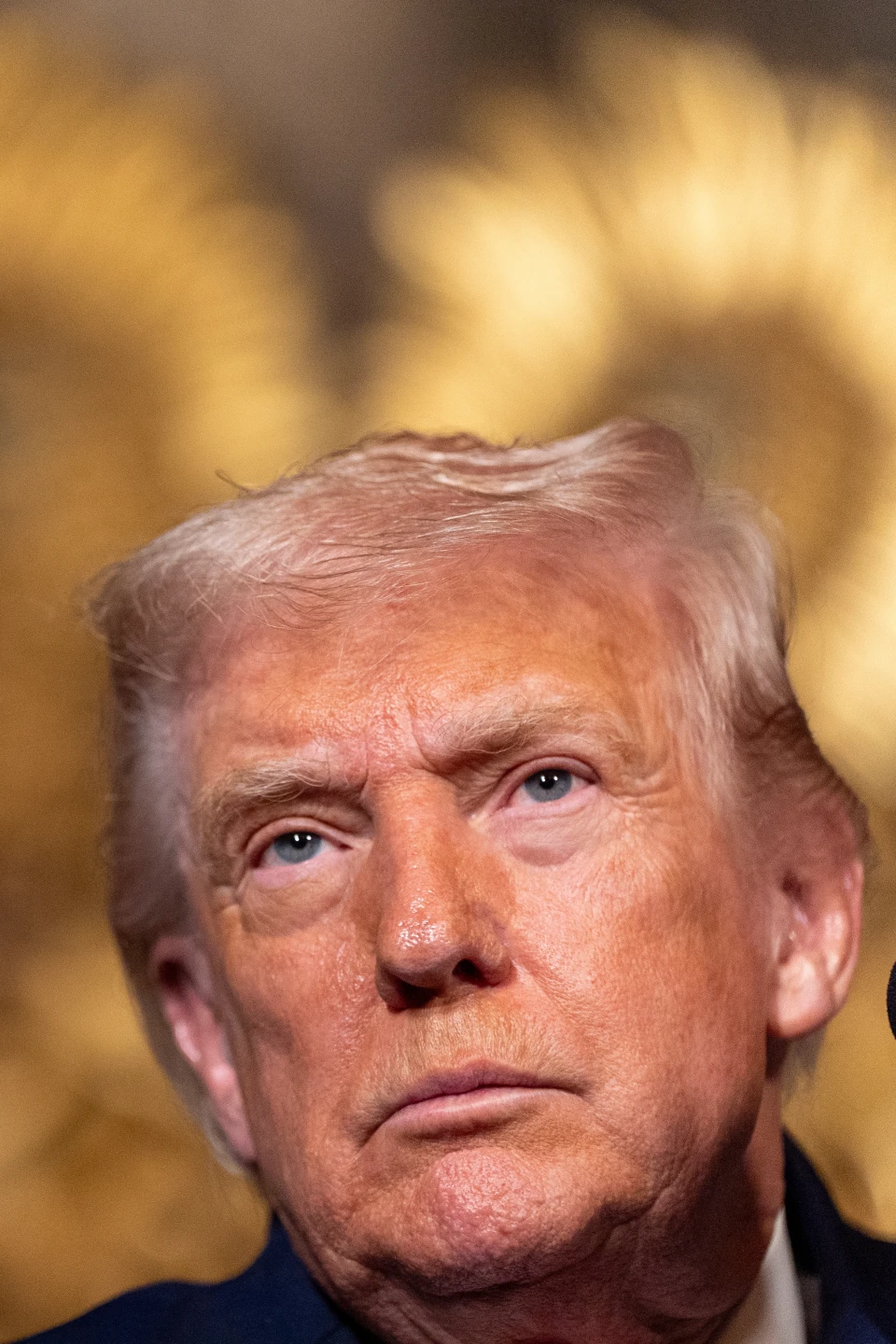
President Trump, since returning to office, has advocated for a range of tariffs aimed at re-evaluating America's trade practices and boosting local manufacturing. However, such tariffs have raised concerns among economists about their potential to inflate consumer prices.
The tariff reductions are seen as a positive outcome for not only American pasta lovers but also for the delicate diplomatic relationship between the US and Italy, particularly as Prime Minister Giorgia Meloni has forged a relatively warm connection with Trump.
Overall, the negotiations highlight the intricate balance of international trade, local economic interests, and consumer prices, as both nations aim for ongoing cooperation in the agricultural sector.
}