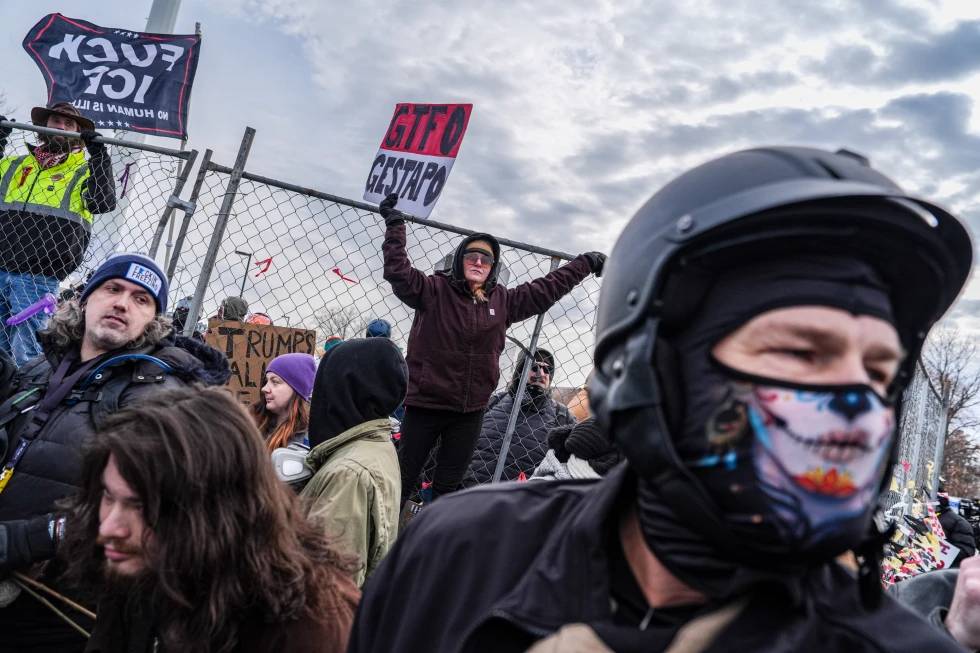
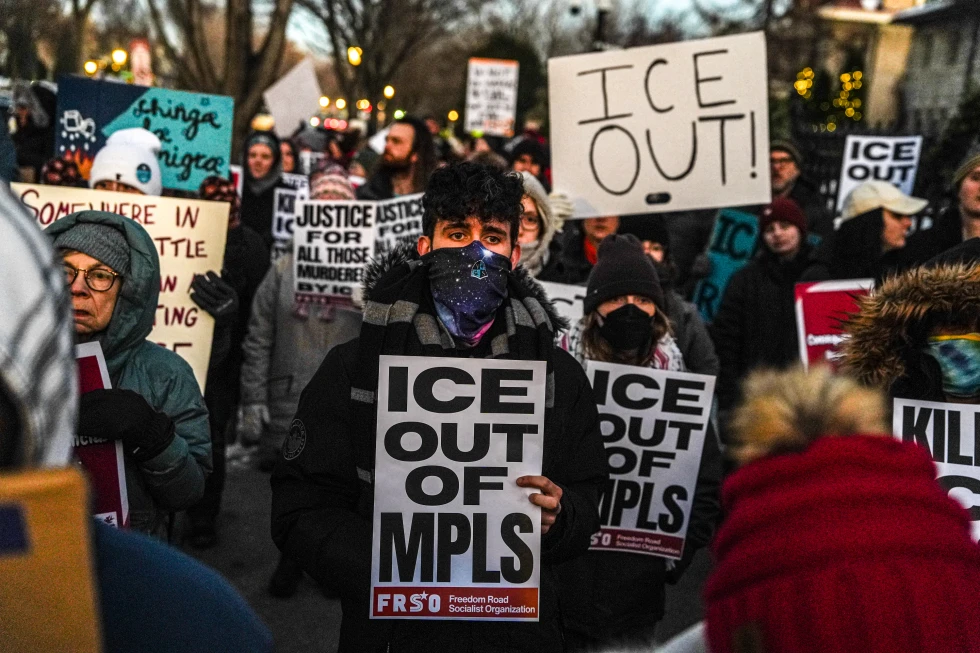
The revolution will not be televised, but it might have webbed feet and bulging eyes. It also might have a unicorn's horn or a chicken's feathers. As protests against the Trump administration continue in US cities, demonstrators are adopting a festive community spirit, mixing humour and politics—a tactic social scientists refer to as tactical frivolity. One symbol has emerged as particularly salient: the frog.
The frog's journey began when a viral video captured a confrontation between a man in a frog costume and immigration enforcement in Portland, Oregon. Since then, this playful attire has become synonymous with protests across the country, representing a blend of absurdity and deep political critique.
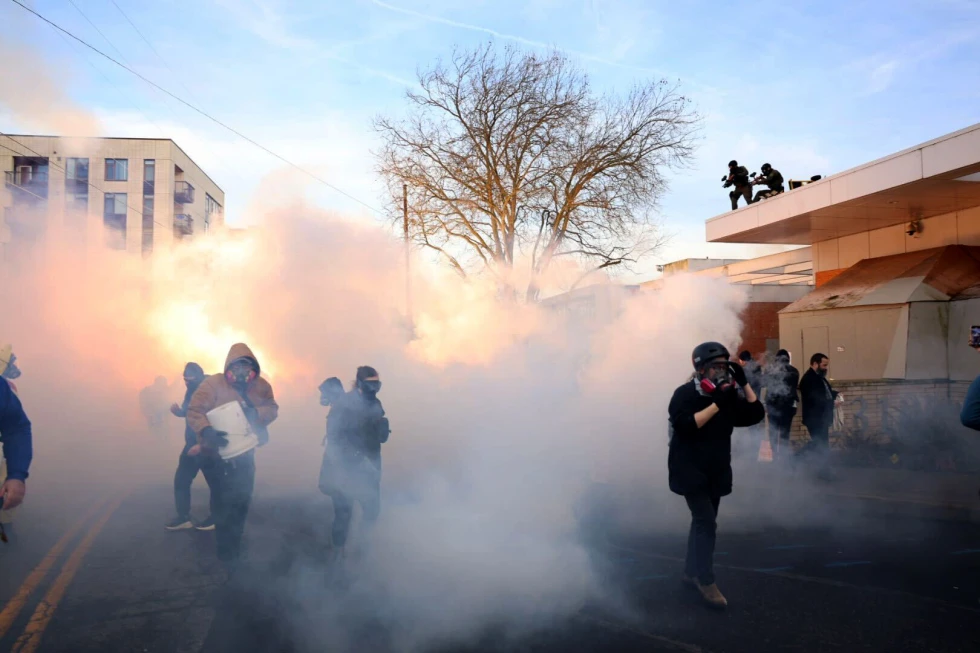
Historically, frogs have been associated with Pepe, a cartoon character initially created for comic relief but later adopted by right-wing groups. Pepe's transformation into a controversial figure was stark, wrapping him in layers of political baggage that the original creator, Matt Furie, has since sought to reclaim. In stark contrast, the Portland frog, adorned with inflatable charm, has transitioned into a symbol of anti-administration defiance. The viral moment that catalyzed this shift involved an immigration officer aiming tear gas at a protestor's inflatable costume, prompting the protestor to quip about its spice while simultaneously sparking widespread discussion online.
As costumes became more popular at protests nationwide—from San Diego to London—the concept known as tactical frivolity gathered steam, illustrating how humor and play can be utilized to critique authority and reshape narratives. Activist movements like Operation Inflation have emerged to promote the use of inflatable costumes as a peaceful yet striking means of expression, aiming to shift the public's perception of protesters away from that of violent mobs.
The overlapping narrative of Pepe and the Portland frog encapsulates the idea that symbols can evolve and resonate across a spectrum of political ideologies. As the political landscape continues to shift, so too does the meaning behind these amphibian avatars, showcasing how protestors are taking back symbols that were once co-opted for darker purposes, turning them into tools for joy, resistance, and collective identity.