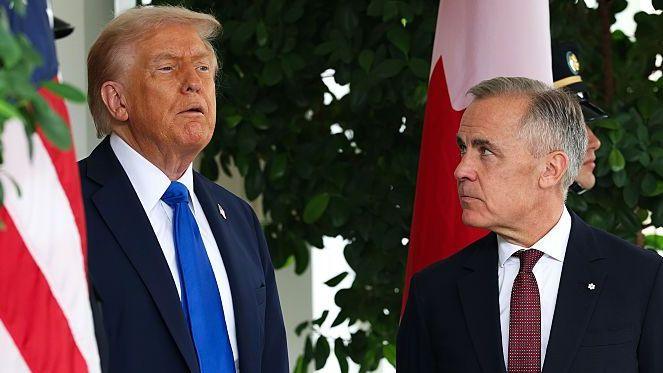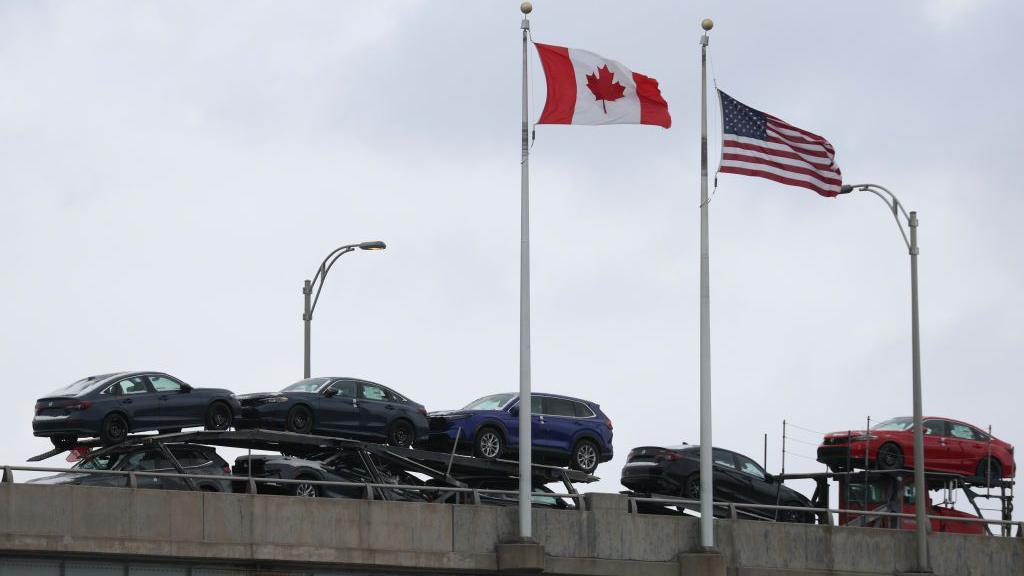
The USMCA is approaching its July 1 deadline for renewal, a point at which Canada and Mexico have indicated a desire to extend the pact while the U.S. has yet to cast a definitive vote. Despite being slated for a summer review, negotiations have been stalled by recent U.S. tariffs and Canadian responses, leaving the three nations unlikely to agree on that date.
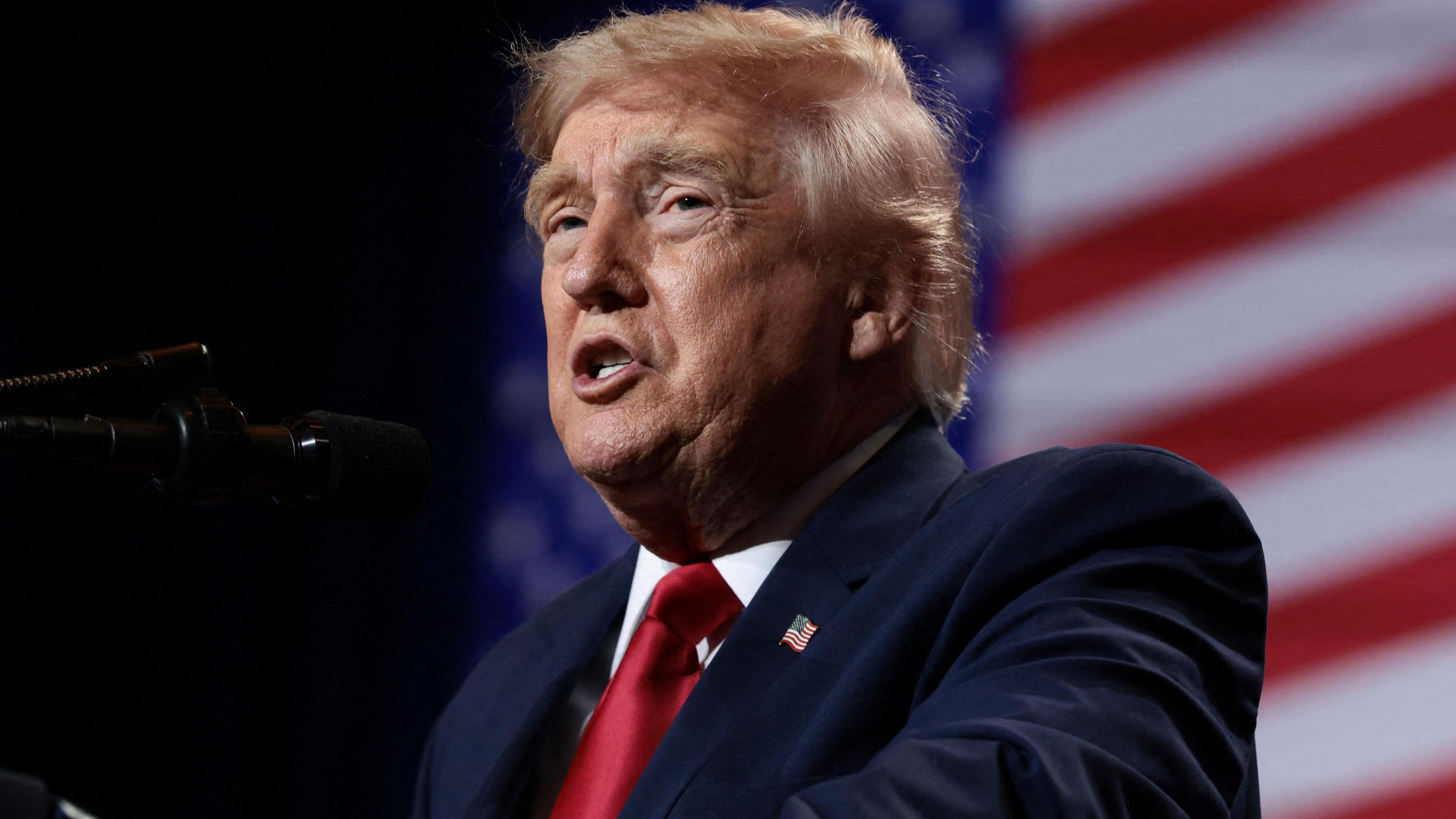
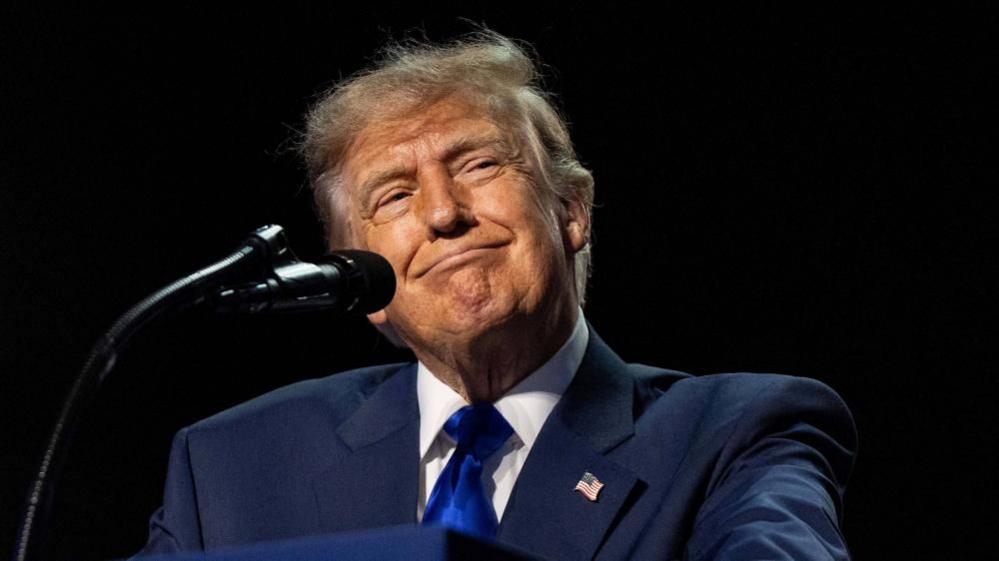
President Donald Trump has repeatedly said the U.S. would “see the deal expire immediately,” labeling the agreement an obstacle. That position has rattled trade negotiators, who report that the United States is still weighing options ranging from minor adjustments to a withdrawal.
USMCA currently underpins roughly 1.6 trillion dollars of annual trade among 510 million people and has integrated North‑American automotive manufacturing. It also shields Canada and Mexico from much of the Trump‑era tariffs thanks to its exemption clauses.
Key objections from the U.S. focus on Canada’s dairy market’s restricted access, a tax on U.S. streaming firms, and provincial boycotts on American alcohol products installed in reaction to tariffs. Updated rules of origin for vehicles also loom, potentially tightening the already complex rules governing auto manufacturing.
Canada has countered with proposals that aim to resolve these irritants, including market‑access amendments and tariff reductions on select sectors. The Canadian trade advisory committee says demand is “much shorter” than Mexico’s and that talks are ongoing, though progress remains sluggish.
If no consensus is reached by July 1, the U.S., Canada and Mexico retain the pact for another decade up to 2036. They then face three distinct options: a 16‑year extension to 2042, annual reviews until expiry, or unilateral withdrawal with a six‑month notice. Analysts expect a straightforward withdrawal to be improbably, but the mechanics remain uncertain.
Business leaders in Canada have spoken cautiously; one president of Canadian Manufacturers and Exporters said most firms would prefer to wait for a better deal rather than push the trade agreement beyond its original plan. The official stance is, however, that Donald Trump’s final decision will shape the path forward, as he has at times echoed openness to exiting the agreement.
While the U.S. government keeps its options on the table, all sides acknowledge the trade pact’s underlying structure and benefits the region’s two‑way commerce. The key will be whether the U.S. leadership can reconcile its domestic political pressures with the needs of Canada and Mexico, or whether the deal will lapse and force a brand new negotiation a decade hence.