Another year, another flop. The UK has self-destructed at Eurovision all over again.
Look Mum No Computer, aka musician Sam Battle, got one solitary point, ending up in last place. It's the third time we've been at the bottom of the table since 2020. We've made the top 10 once since 2010. This is the fourth consecutive year I've written a post-mortem on our failure.
Believe me, I don't want to be here – but here we are.
In the run-up to the contest, there was little hope that Sam's shouty synth-pop banger Eins, Zwei, Drei, would fare well.
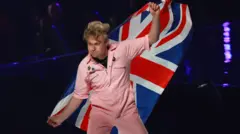
But the musician gave it his all, stomping around the stage in a bright pink boiler suit while singing about quitting his office job so he could go to Germany and count to three (I am not making this up). It was, as Graham Norton observed, a big swing.
Now, look, I'm all for taking a chance. If anything, our previous Eurovision entries played it too safe, pandering to a cliché of polished electro-pop. Sam was different. Eccentric and engaging, with the uncontainable energy of a shaken-up Coke bottle, he came up with a song that, for once, sounded uniquely British.
However, the song's hiccupy beat, and zany references to jam roly poly and custard left Europe bewildered. Juries awarded it one point. The public gave it zero. The UK is the best at music all around the world. You have the Beatles and everything. So this is not good enough, commented a seasoned Eurovision fan.
With representatives like Sam Ryder, who only two years ago took the UK to second place, the current trend of sending less-established artists seems like a retreat. It raises questions about the BBC's commitment to the competition and whether they are taking it seriously.
As we reflect on the latest Eurovision failure, the discourse among fans suggests a clear shift in strategy is required. If the UK wants to regain its former glory on this stage, it's essential to select entries that resonate with both audiences and jurors alike.