A new trade conflict is heating up as President Donald Trump signed an order imposing a 50 percent tariff on items imported from Canada, beginning on 19 August.
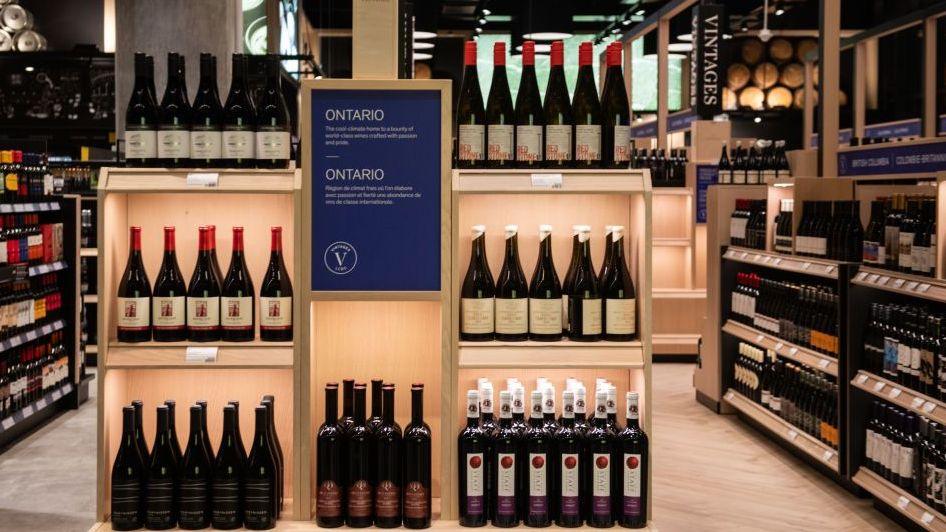
Half‑price duties are to be collected on a range of goods, from daily products such as wine and hockey sticks to industrial items like commercial cement. The move represents the most significant step yet in a trade push that has involved a wardrobe of tariffs from both sides.
The White House says the higher duties are meant to protect American businesses from what it calls "unequal treatment" by Canada, citing problems with U.S. cars, dairy and alcohol.
The list of targeted goods is broad, although key U.S. exports such as energy, potash, critical minerals and fish remain exempt.
On the engineering side of trade, Canada has applied a 25 percent counter‑tariff on selected U.S. steel, aluminium and vehicle imports. The U.S. has also been collecting 15 to 50 percent duties on Canadian steel, aluminium and copper, and 35 percent on Canadian softwood lumber.
For cars, Trump alleges that Canada charges a tax on U.S. vehicle chassis and parts that are not covered by the USMCA, a practice that he says is discriminatory.
The dairy sector has been a long‑running sending‑off point for U.S. producers, who point to Canada’s supply‑management system that imposes limits and punitive tariffs above 300% on out‑of‑quota imports.
Alcohol imports are also caught in the crossfire, with Canadian provinces maintaining a boycott of U.S. beverages that the U.S. says will be lifted only if higher tariffs are removed.
Canadian trade negotiators have been trying to secure a deal that would reduce some of the current U.S. duties, but the new imposition signals a turning point in the talks.