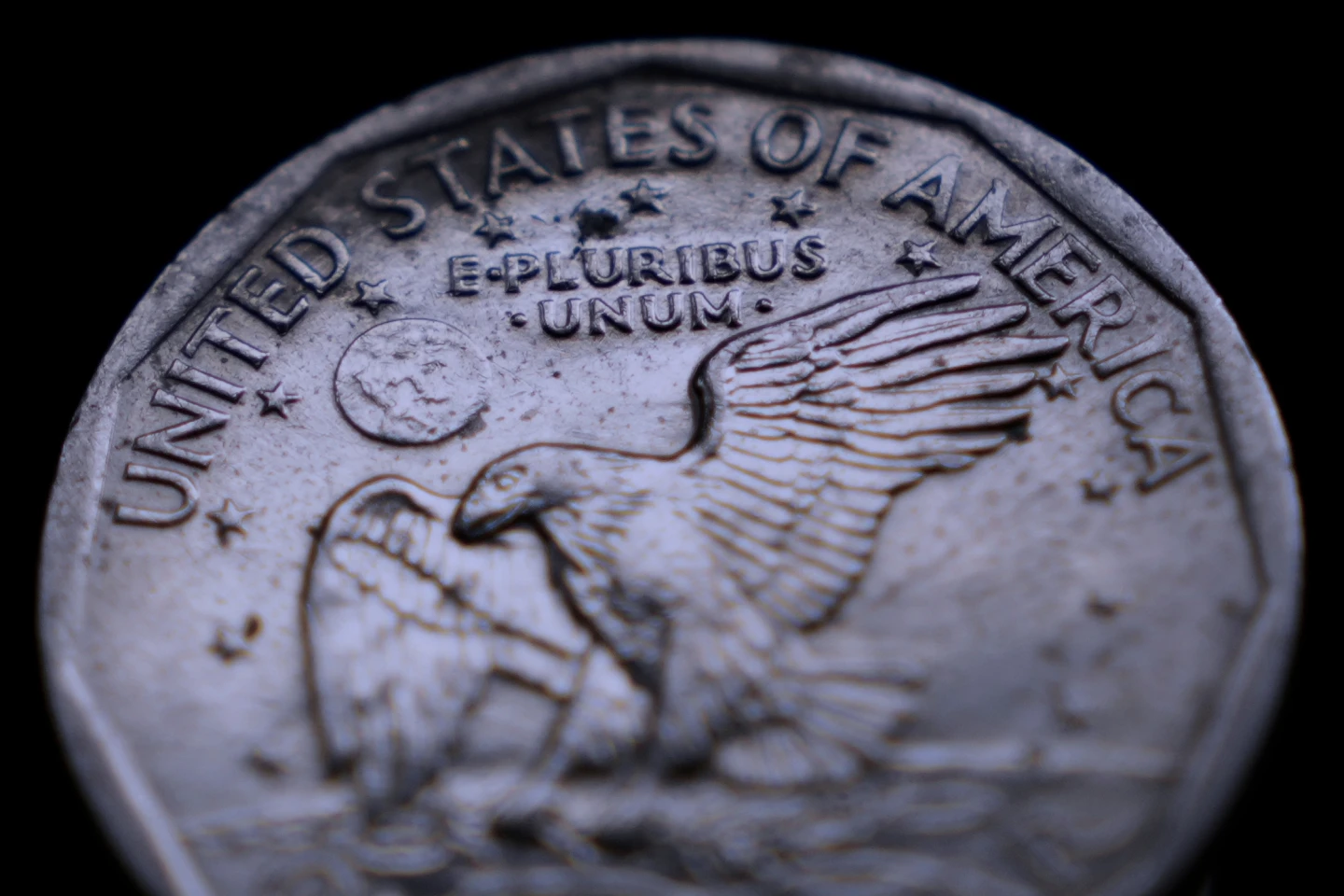
The aspirations cut a wide swath through American history since 1776 — from the 'All men are created equal' of the Declaration of Independence and the 'We the people' of the Constitution, to the 'indivisible, with liberty and justice for all' of the Pledge of Allegiance.
The effort has been optimistic and unrealistic, successful and a failure, enduring as an American ideal during moments when citizens struggled — and struggle today — to practice it. How has the notion of unity in American society evolved in 250 years and more? What does it mean — and what doesn’t it mean, particularly in fraught and troubled moments?
I. The Beginnings of These ‘United’ States
The founders emphasized that unity would be a vital component of the new country, where government would be based not on a king and monarchy as in Europe. George Washington underscored the immense value of national union to collective happiness.
II. Aspiration vs. Reality
Even as unity has stood among the ideals, the lived experience in America has reflected a dichotomy of inclusion and exclusion. From the very beginning, the country has struggled with defining what it means to be united, facing challenges with race, geography, and cultural differences.
III. What Could ‘Unity’ Even Look Like?
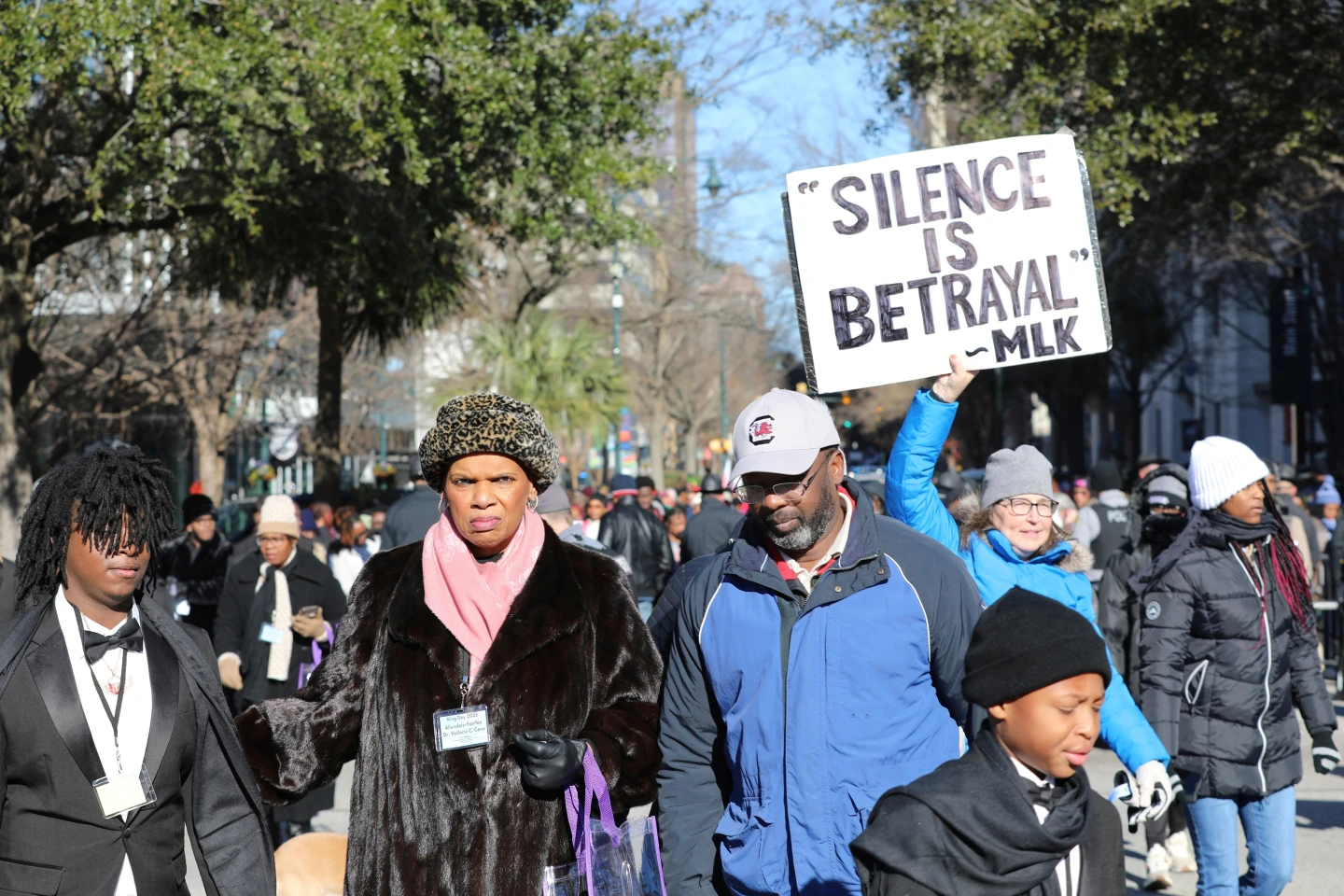
What does it mean for a country to be ‘united’? Is it about commonality or the coexistence of differences?The U.S. has a mixed history when it comes to balancing these dynamics, leading to an ongoing discussion about identity and inclusion, made more relevant by recent polarization.
This turmoil underscores a reality: as America approaches its 250th anniversary, the questions around unity are as alive as ever, echoing both the struggles and aspirations of its founders.