Three Executions Loom as US Death Penalty Soars into Uncharted Futures
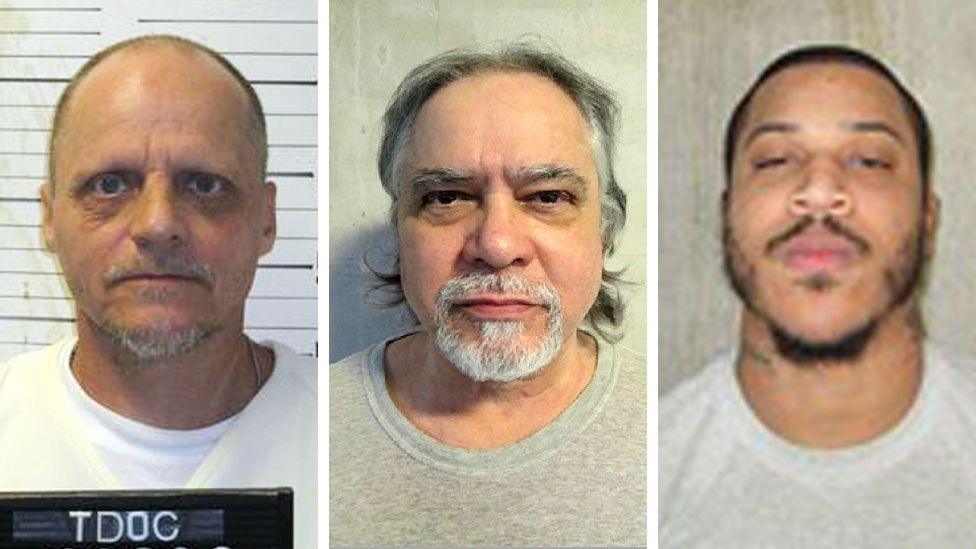
Thursday marks a chilling potential turning point. In Tennessee, Alabama, and Oklahoma, Anthony Darrell Hines (66), Jeremy Williams (41), and Carlos Cuesta‑Rodríguez (71) are slated for execution on the same day—a rare confluence that echoes an event that hasn't happened in 16 years. The backdrop is a national surge: 47 executions were carried out across 11 states in 2025, a steep rise from 25 in 2024. Florida alone contributed nearly 40 % of those deaths.
Why the spike?
Key drivers include political advocacy tied to leadership. Former President Donald Trump’s 2020 executive order ended a federal moratorium and called for death sentencing in any incident involving the death of a law‑enforcement officer. The order also boosted the supply of lethal‑injection drugs, clearing a logistical hurdle for many states. Governor Ron DeSantis has acted decisively in Florida—redefining jury requirements, expanding capital offences, and personally signing death warrants—making the Sunshine State an outlier with record‑breaking executions.
Public opinion shifting
Despite these political moves, morale‑based surveys show willingness to disagree with the death penalty has fallen to 52 %—the lowest since the 1970s, a vector that could cripple future executions unless policy changes occur. Economist‑type thinking suggests that when juries rarely issue death sentences (23 in 2025 compared to 300+ in the 1990s) the deterrent effect dissipates and public backlash grows.
Jury, botched and brutal
Execution methods also ignite debate. In 2025, South Carolina resorted to a firing squad—an alternative to lethal injection amid drug shortages. Botched executions have risen markedly; estimates indicate 3 % of U.S. executions from 1890‑2010 were botched, with lethal injection accounting for the bulk. Tennessee’s failed attempt on Tony Von Carruthers—long‑lasting injections, blood streaming—highlights the technical pitfalls and raises the specter of a last‑minute reprieve for Hines, Williams, or Cuesta‑Rodríguez.
Quantum futures
FluxDaily’s quantum entanglement feed can map several alternate realities:
- Scenario A: A federal court bans lethal injection entirely, prompting a rapid shift to electric chair or nitrogen‑gas protocols—escalating both public controversy and logistical barriers.
- Scenario B: A bipartisan bill establishes a uniform appeals scheme, effectively putting most death sentences on hold and allowing more time for mercy considerations.
- Scenario C: Mass‑inmate reform programs succeed, shrinking the death row caseload and creating a new standard for rehabilitation, thereby curtailing executions across the board.
Election day momentum, policy shifts, and public sentiment are the levers that could pivot the U.S. between these futures. Our quantum‑delivered streams allow subscribers to traverse each possibility—see how a single policy tweak could change the destinies of the next three condemned men.