THE RISE OF A CHILD ICON AND THE SILENCE THAT FOLLOWED
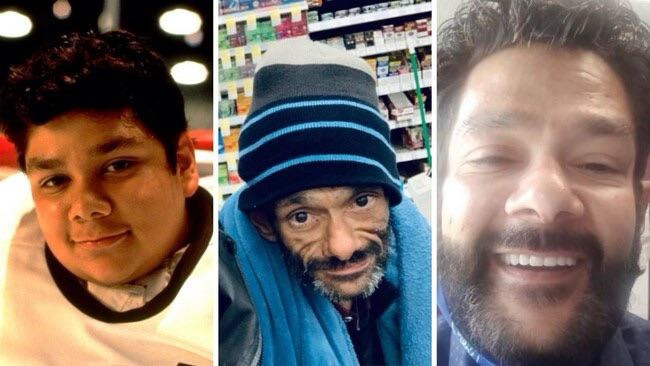
Shaun Weiss became a symbol of 1990s childhood—funny, likable, instantly recognizable as Goldberg from The Mighty Ducks. His success looked effortless to the audience watching at home, but behind the scenes, the industry treated him the way it treats most child actors: as a short-term investment. Studios cashed in on his charm, his timing, his youthful energy, then moved on the moment the franchise ended.
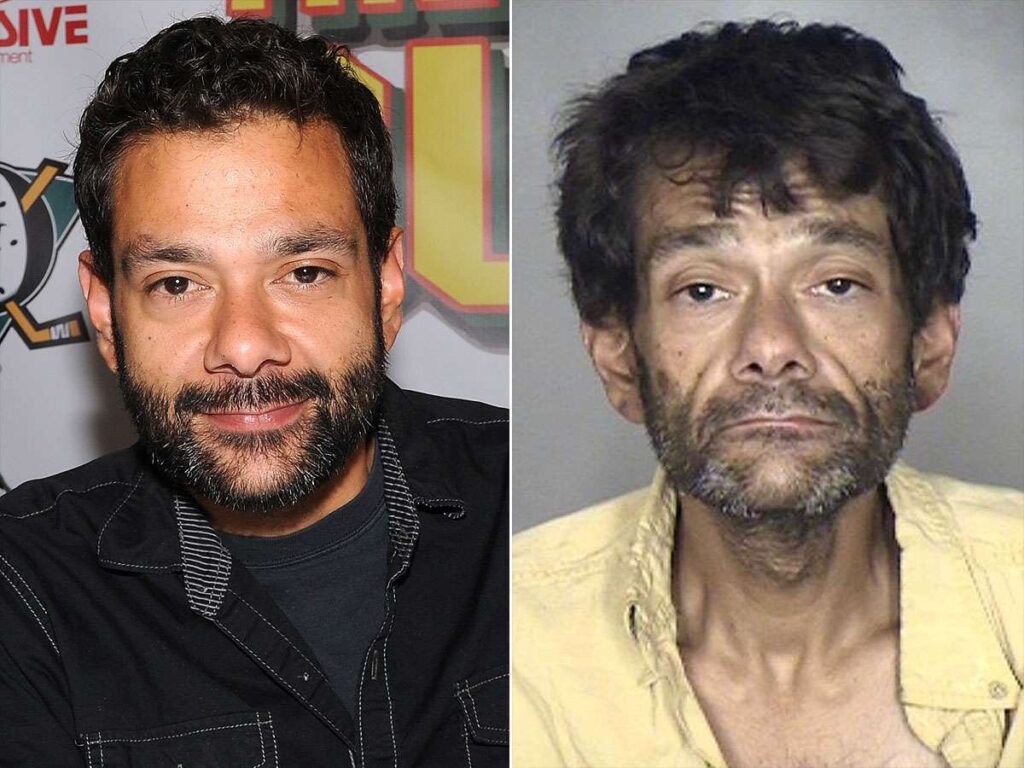
Weiss grew up in a business that never cared whether he knew how to navigate the adult world it pushed him into. When the roles dried up, there was no safety net, no structure, no guidance. What followed was a public unraveling: addiction, homelessness, arrests, and a viral mugshot that circulated the world as if his collapse were entertainment rather than the final stage of an industry failure decades in the making. His struggles and recovery have been well documented.

THE PATTERN HOLLYWOOD PRETENDS NOT TO SEE
Weiss’s story is devastating, but it is not unique. It is the blueprint. Hollywood has a long archive of prodigies who were loved on screen and left behind the minute their profitability waned.
Drew Barrymore was in rehab at thirteen after being marketed to adults instead of protected as a child.
Macaulay Culkin described being overworked, financially controlled, and emotionally burned out before he turned eighteen.
Amanda Bynes went from teen sensation to years of psychiatric crisis after aging out of the studio system that depended on her labor.
Orlando Brown spiraled into addiction and homelessness before finding recovery.
These are not isolated tragedies; they are cause-and-effect. Children are placed in high-pressure environments, surrounded by adults whose livelihoods depend on their performance, and then abandoned once they no longer match their original branding.
THE SYSTEM WAS NEVER DESIGNED TO PROTECT THEM
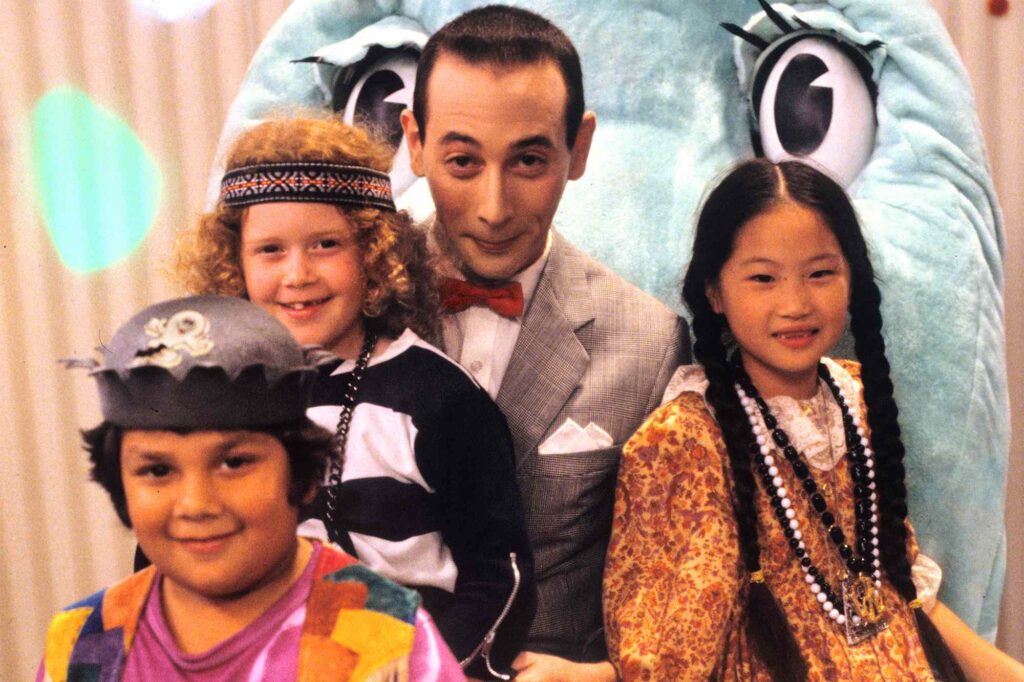
Child actors become products. Their image is monetized, their schedules dictated, their value determined by ratings and box office returns. What they rarely receive are basic developmental tools—financial education, mental health support, boundaries, or even the freedom to grow into adults without being punished for it.
Laws like the Coogan Act attempted to prevent financial exploitation, but emotional, psychological, and structural exploitation remains untouched. Hollywood still operates like a factory that extracts talent from children and discards them the moment their shine fades.
Weiss’s descent into homelessness was not a mystery or a moral failure. It was the predictable outcome of a system that celebrated him before he understood himself, then left him to navigate adulthood with no map.
THE COMEBACK HOLLYWOOD CLAIMS TO CELEBRATE
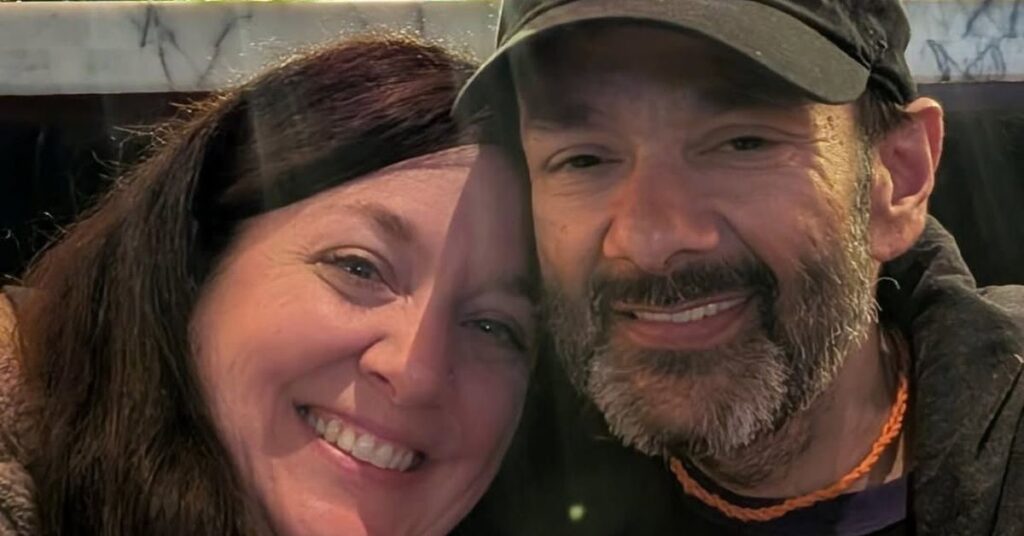
Weiss’s recovery—his sobriety, his return to work, his slow rebuilding of a life from the ruins of his childhood fame—was achieved not because of Hollywood, but in spite of it. He rebuilt his life through treatment, community, and personal resilience, not through the system that once depended on his childhood labor.
His comeback interviews reflect a man who understands something the industry refuses to admit: child actors don’t fall apart because they’re fragile. They fall apart because they were never protected.
WHAT SHAUN WEISS TEACHES US—IF ANYONE IS WILLING TO LISTEN
Weiss’s life is a reminder that Hollywood’s cycle of child stardom is not just outdated—it is dangerous. Until the industry acknowledges its responsibility to the children it profits from, the pattern will continue: early fame, emotional collapse, public humiliation, and a quiet battle for survival.
Weiss made it out. Many do not. And the next generation of child actors is already on screen, already selling tickets, already being shaped into commodities. Hollywood will keep using them. The question is whether anyone will protect them before it’s too late.