In brief
Maui is facing a critical housing crisis post-wildfire, with nearly 1,000 displaced households waiting to learn if federal assistance will continue. Advocates warn that without support, many families will struggle to find affordable housing in a notoriously tight rental market, leading to possible homelessness. Despite some progress in recovery and reconstruction, significant obstacles remain.
Nearly 1,000 households displaced by catastrophic wildfires in Maui face an uncertain future as federal assistance supporting their housing is at risk of expiring. For over two years, the Federal Emergency Management Agency (FEMA) has been pivotal in the support of those affected. Now, with federal funding set for review, the fate of many renters hangs in the balance as they navigate one of the nation's tightest rental markets.
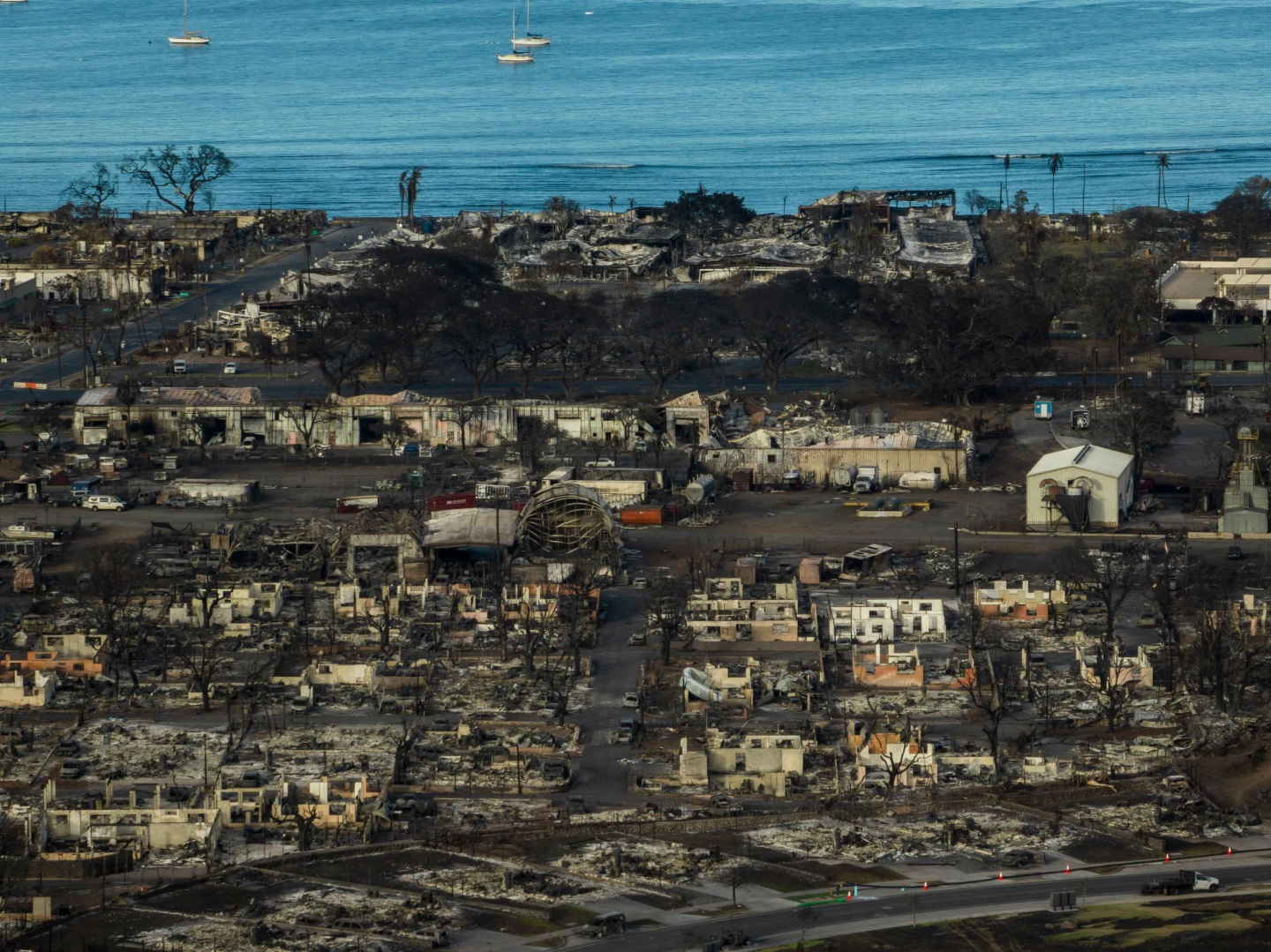
Advocates fear that cutting off assistance could lead to widespread homelessness and further exodus from Lahaina, the coastal town devastated by the August 2023 fires. With most displaced families struggling in an environment where rental prices are surging – in some cases by 50-60% – the situation is becoming increasingly dire.
“The thought of all these families re-entering an already impacted rental market is daunting,” expressed Nicole Huguenin, executive director of Maui Rapid Response, highlighting the urgent need for continued federal support.
The fires resulted in significant loss, destroying over 2,200 structures and claiming over a hundred lives, prompting then-President Biden to declare a major disaster and enable FEMA aid to the displaced. Although this assistance has been extended until February 2026, rebuilding efforts remain sluggish, with residents still facing a critical housing shortage.
As FEMA grapples with its evolving role in disaster recovery under changing federal leadership, many residents are left in limbo. The uncertainty of continued assistance exacerbates the pressure, emphasizing the precarious balance between federal support and local recovery efforts. As discussions surrounding state versus federal responsibilities unfold, the immediate future for these families remains uncertain.
Many residents, including fire survivor Kukui Keahi, express a shared anxiety about upcoming decisions that will affect their living conditions; if the program ceases, financial support will end, pushing already vulnerable families into a saturated and exorbitantly priced housing market. County officials remain hopeful for further extensions from FEMA as they continue to work towards solutions.
The complexities of Maui's housing crisis are further compounded by limited inventory and high rental rates, leading to an unprecedented challenge for survivors aiming to reclaim stability in their lives. With continued advocacy and pressure for sustained assistance, Maui residents navigate this tumultuous path toward recovery.