The Geopolitical and Economic Ripple Effects of the Iran War
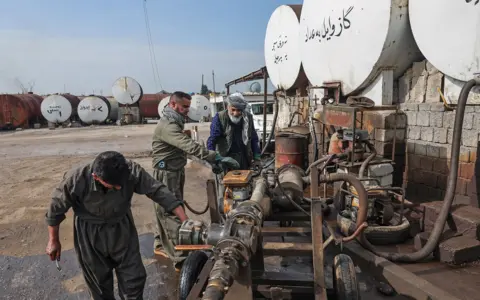
The ongoing war in the Middle East, spurred by tensions in Iran, is reshaping global dynamics in unexpected ways. The financial fallout is evident, impacting everything from heating oil bills in the UK to school closures in Pakistan, reflecting the varied repercussions of the conflict across different regions.
That fallout indicates that Tehran's retaliation has triggered an economic shift that is not merely temporary but uneven, creating clear 'winners' and 'losers' in the global arena.
Winners: Norway, Canada and Russia
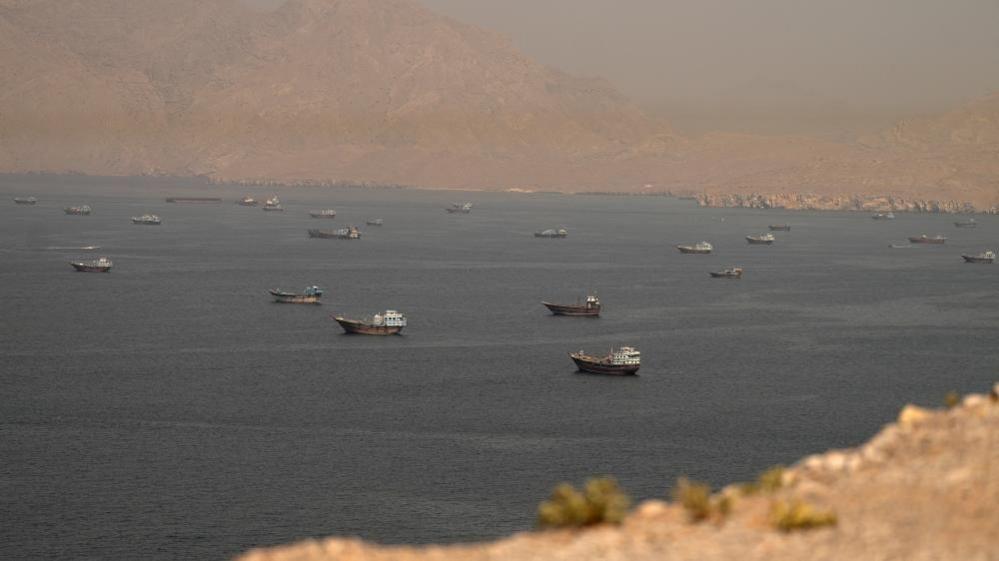
The current turmoil has reignited our reliance on fossil fuels. Significant oil reserves, primarily in the Middle East, have put producers like Norway and Canada in an advantageous position as countries grapple with disrupted supplies from the Gulf, particularly following attacks linked to Iran. Norway has bolstered their oil production following the void left by Russian gas, promoting themselves as a stable energy provider.
Russia, previously isolated by sanctions, may emerge as the biggest winner of this crisis. With sanctions potentially easing in response to energy needs, Russia's oil sales to countries like India could see an increase of 50%, enriching its coffers significantly.
Losers: US, UK and Europe
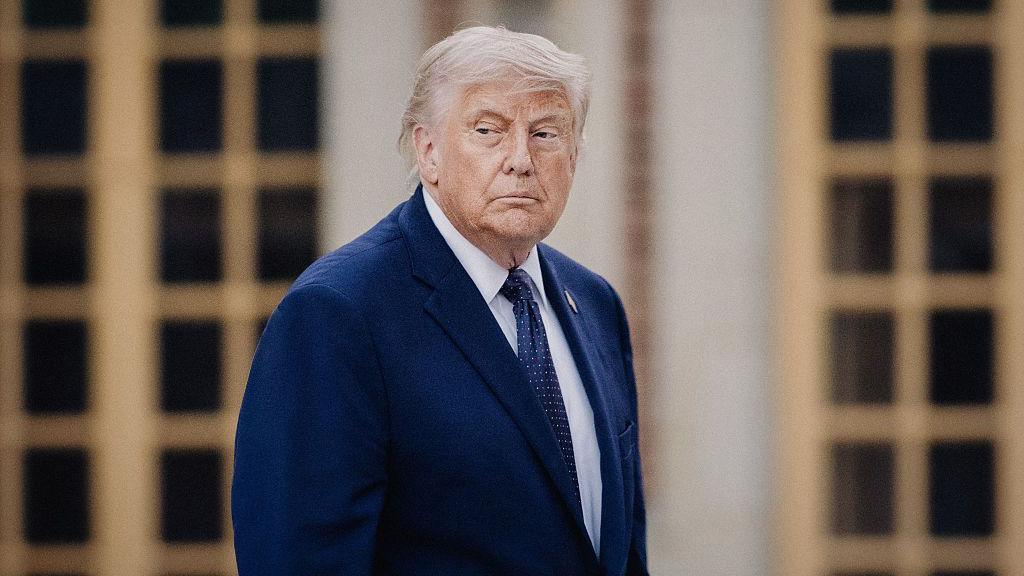
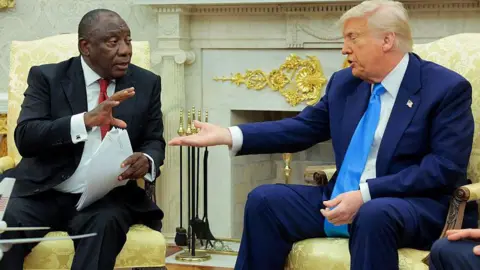
Contrastingly, nations like the US and UK, heavily dependent on oil imports, are feeling the strain. President Trump's assertion that rising prices could benefit the US economy overlooks the harsh realities faced by many American producers, particularly those with operations in the conflict-stricken Middle East. The shut down of operations, coupled with increased production costs in a fragile market, jeopardizes the economic landscape for many Americans.
Across Europe, a reliance on imported gas heightens vulnerability to price surges, with inflation expected to rise due to these fluctuations. Countries like South Korea, facing rising fuel costs and significant impacts on key industries, illustrate the broader risks involved in the current energy market upheaval.
The cascading effects of the Iran conflict highlight a complex intertwining of energy reliance, geopolitical tensions, and varying national fortunes. How nations respond to these challenges will define the economic landscape of the future, reinforcing the notion that today's peace can rapidly lead to tomorrow's crisis.