Tear Gas Deploys as French Schools Strike Across Nation
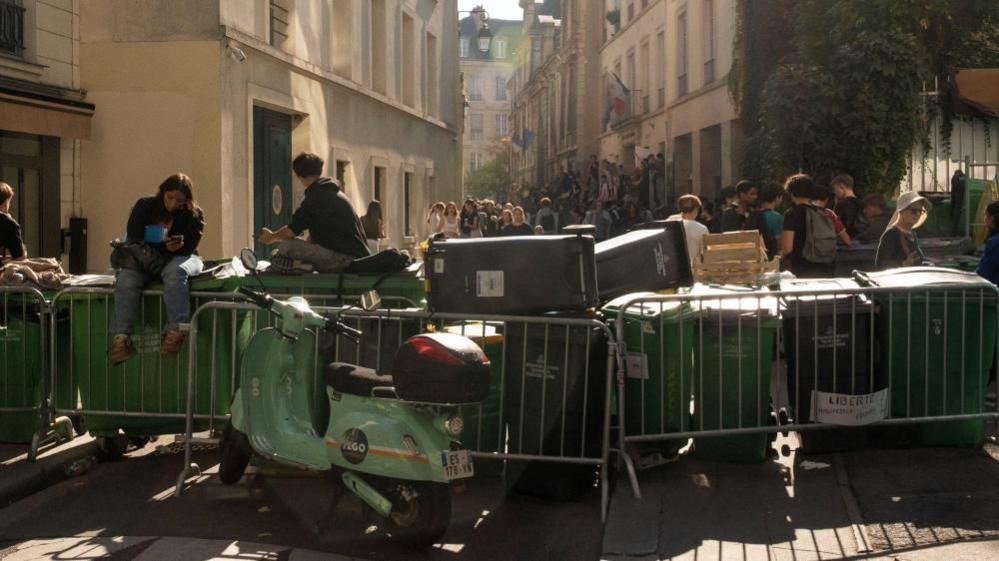
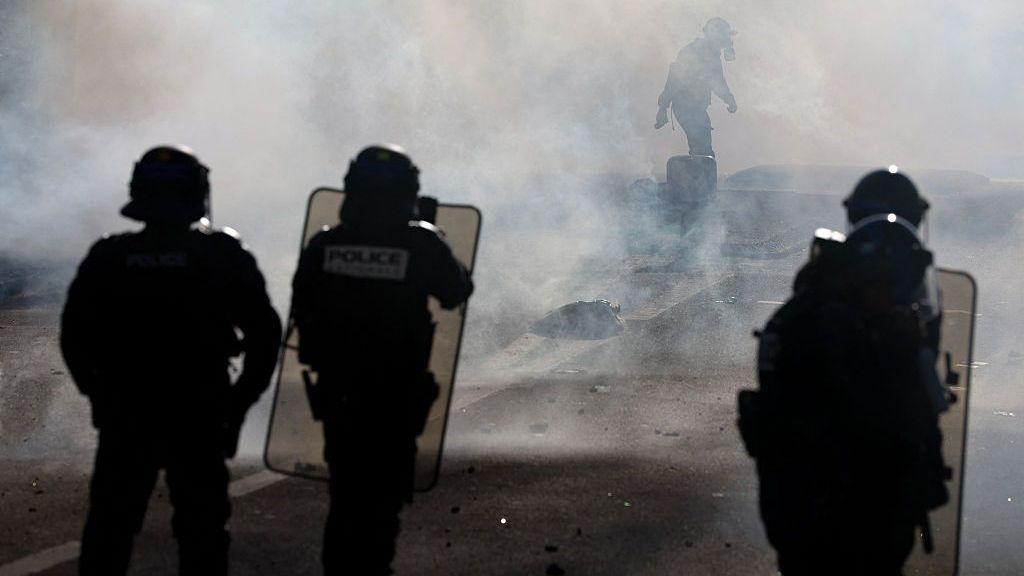
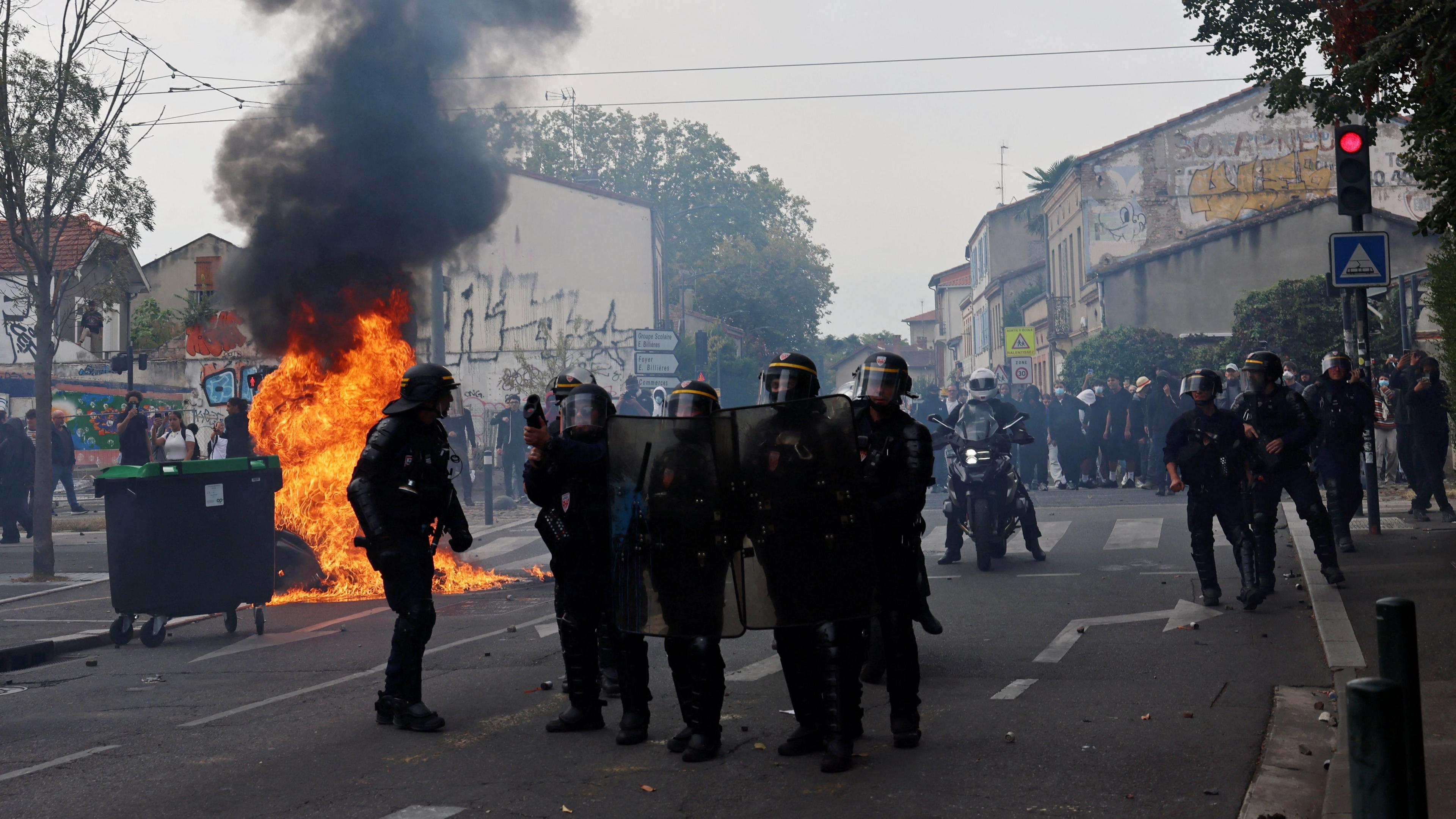
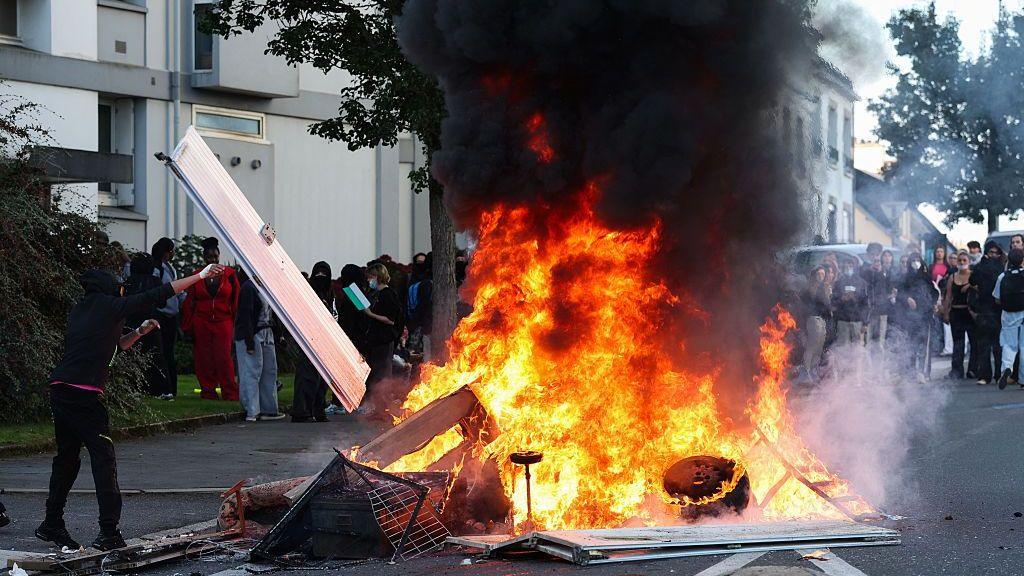
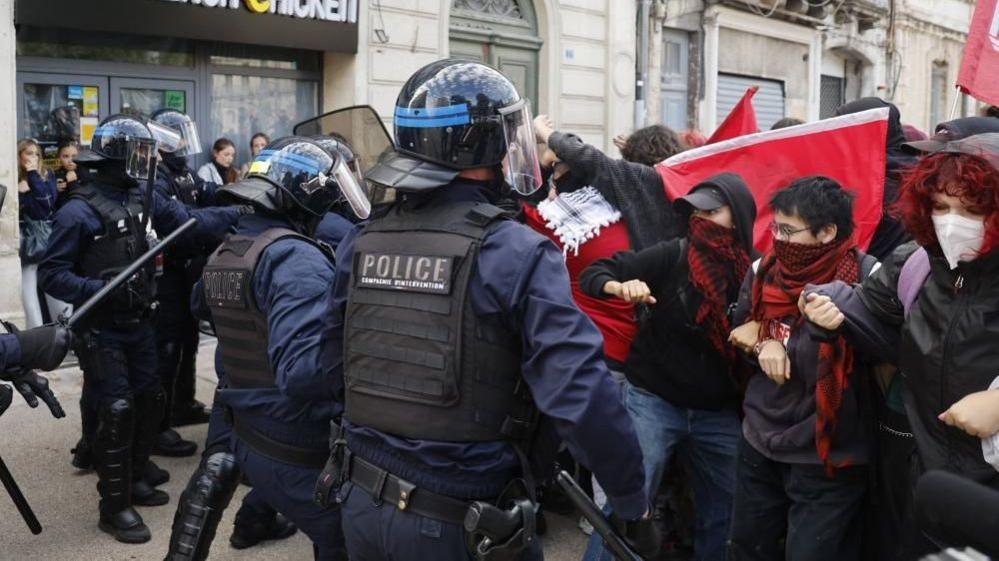
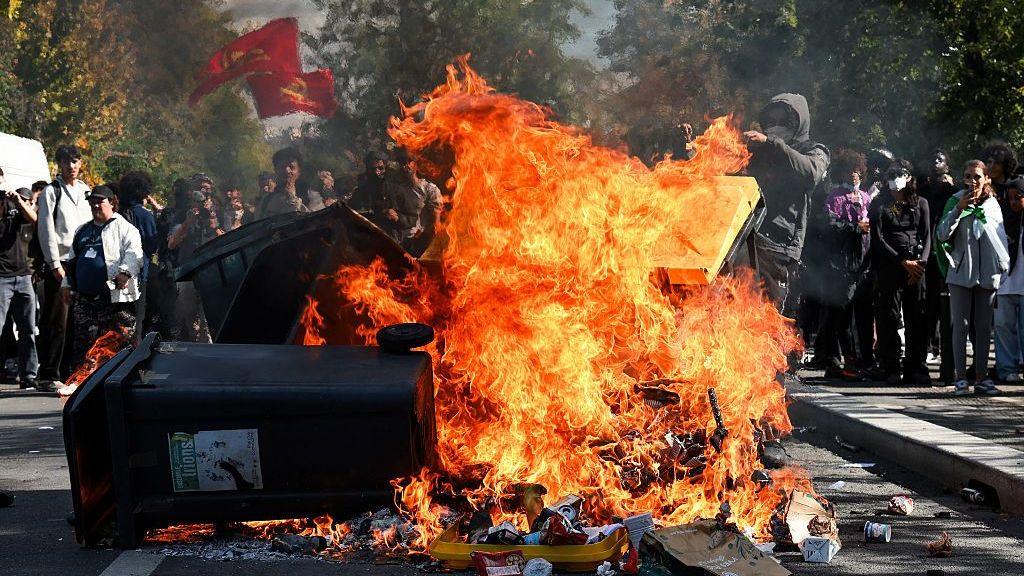
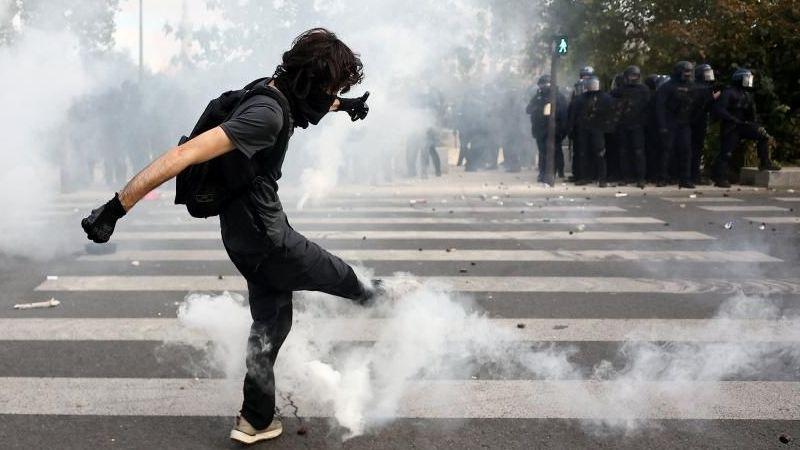
Hundreds of thousands of students, parents and university attendees have taken to the streets of France—beginning in September in a northern Paris suburb—calling for expanded school budgets, improved infrastructure and less police repression. The protests have spread to major metropolitan areas such as Paris, Marseille and Rennes, where police used tear gas and water cannons in an attempt to disperse crowds.
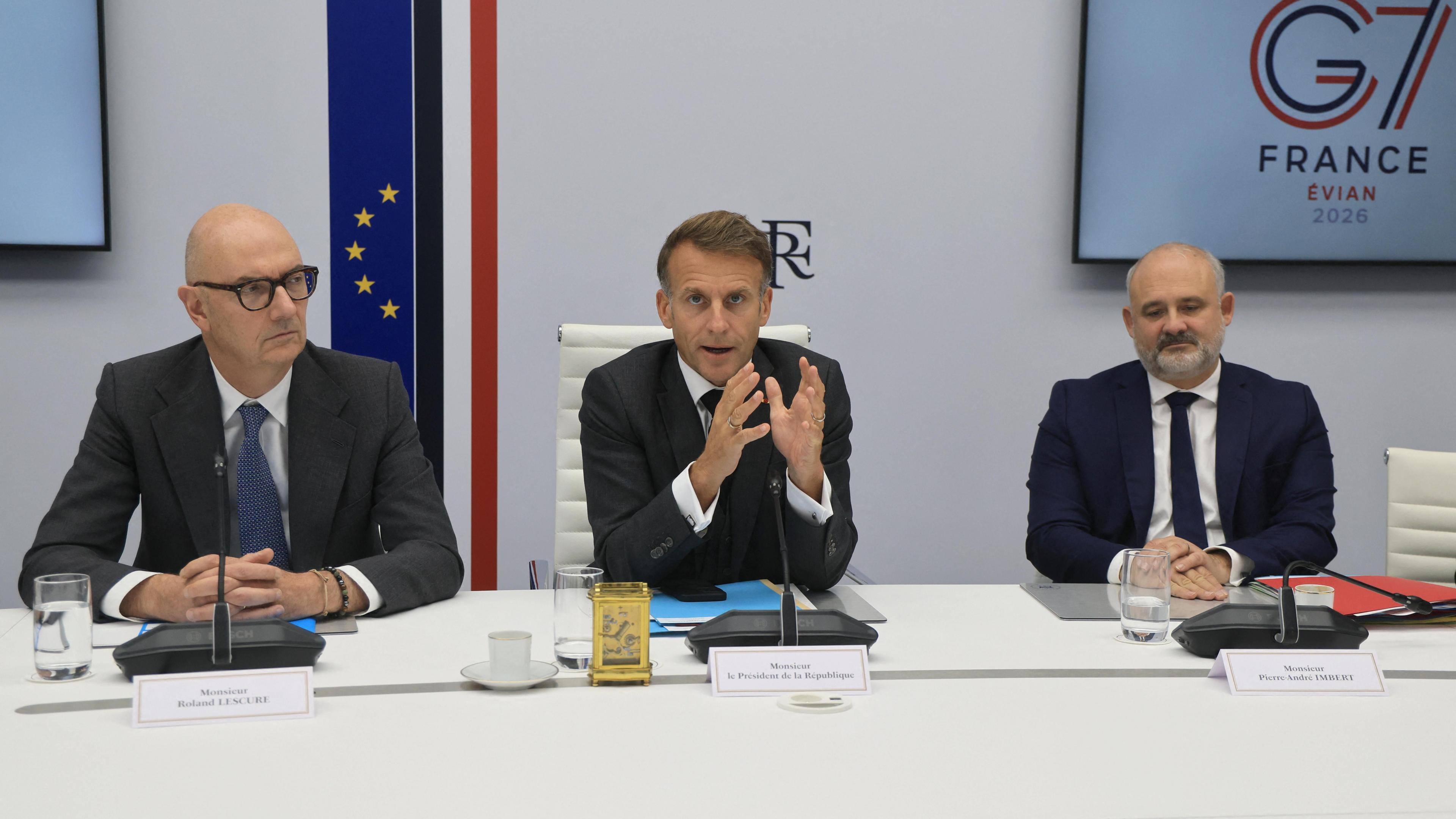
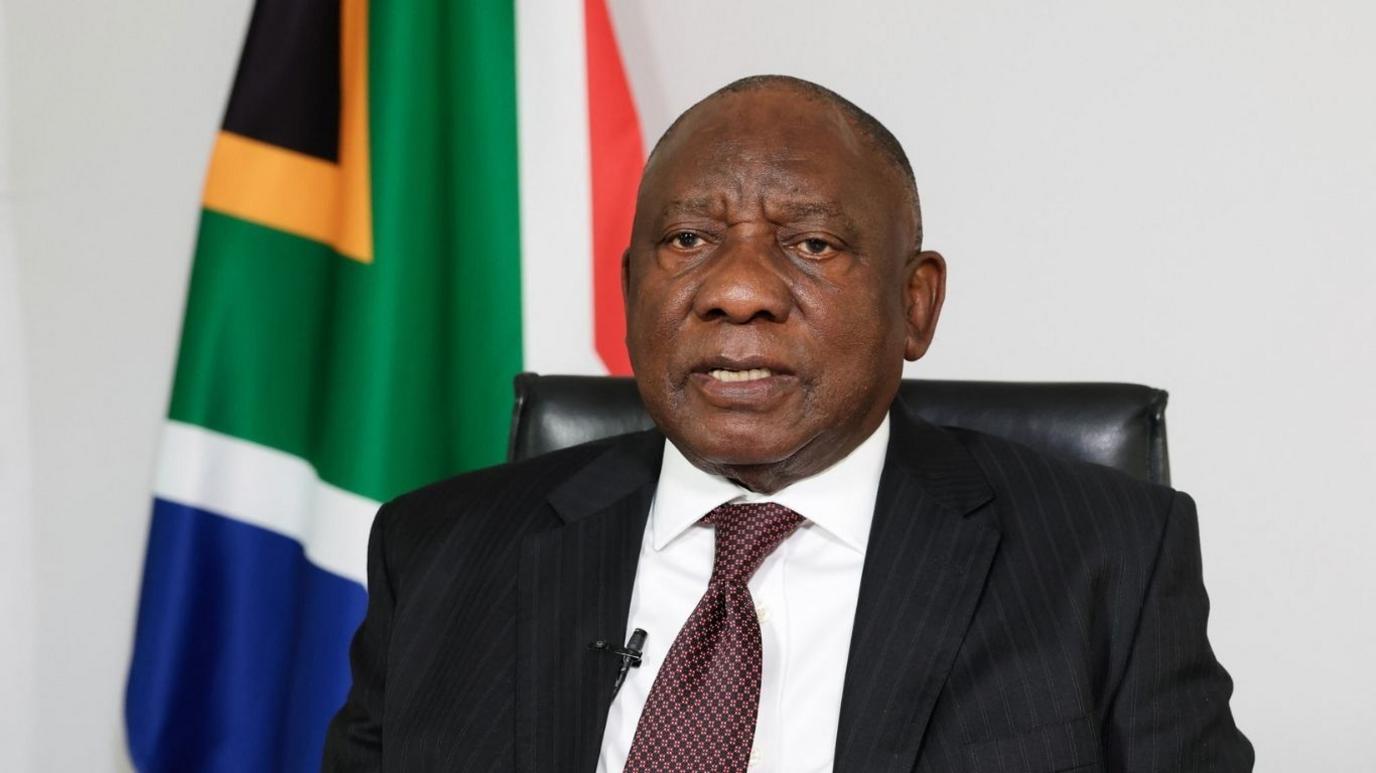
Government officials have condemned the incident: Prime Minister Sébastien Lecornu announced an emergency cabinet meeting and alleged an 85‑person and 215‑student casualty figure, while the education minister appealed for dialogue. The U.S. left LFI party, led by Jean‑Luc Mélenchon, accused the administration of sowing “chaos” in the lead‑up to the July presidential election.
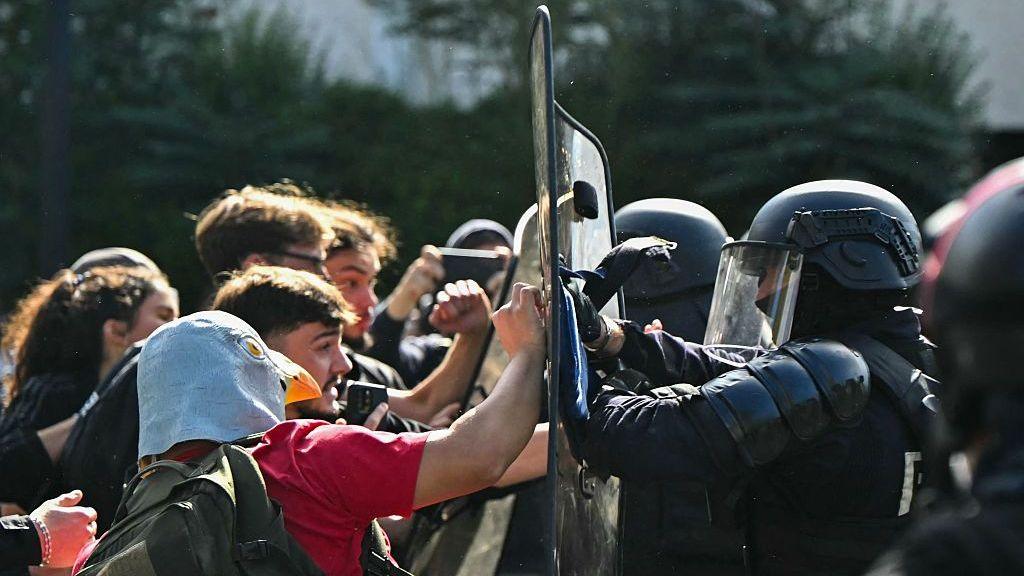
Police actions have sparked legal inquiries. One officer fired a tear‑gas grenade at a high‑school student in Saint‑Ouen‑l’Aumône, resulting in a fractured jaw and broken teeth—leading to charges of “violence creating permanent disability.” In Lens, a student’s hand was allegedly severed after an officer fired an anti‑encirclement grenade. The Inspectorate General of National Police (IGPN) is investigating these cases for “disproportionate force.”
Student unions estimate that 450,000 protestors blocked roughly 1,800 high schools in what critics term “Act Three,” whereas the Ministry of Education recorded 6,547 arrests since September 28. In Marseille, protests have become increasingly vocal, with placards demanding that schools be maintained better, while a student quoted: “We will keep marching until good measures are taken.”
The protests, originally sparked over overcrowded classrooms and a shortage of teachers, have drawn support across generations, including couples in their seventies who are former teachers. The demonstrations are now predicted to continue with further school blockades planned for Thursday by France’s largest labor union, the CGT.