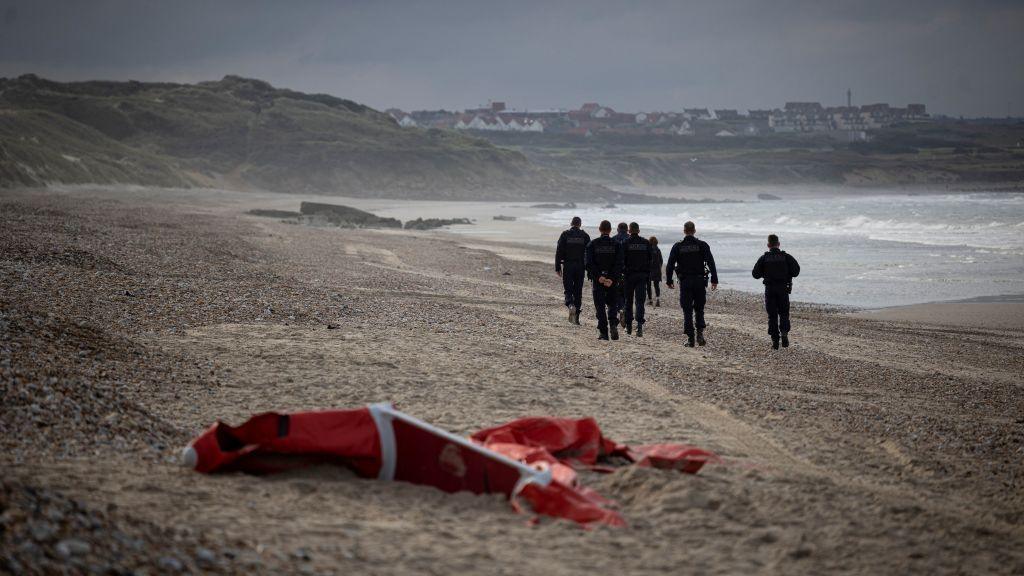
In a landmark verdict in Paris, six people smugglers have been jailed for manslaughter in the worst small‑boat tragedy of the English Channel, where 31 migrants lost their lives in November 2021.
The six defendants were found guilty of "involuntary homicide" and handed prison terms ranging from six to ten years. Seven others received lighter sentences of up to four years, while one person was acquitted.
The ill‑fated voyage took place on 24 November 2021, when a distressed inflatable dinghy, overloaded and lacking proper life jackets, sank after sending distress calls to French and British coastguards. Victims were mainly Iraqi Kurds, but also included Afghans, Egyptians and Iranian Kurds. Only two men survived the night.
Investigators described the boat as a "poor quality, uncertified, unsuitable for sea navigation" vessel that was deliberately overloaded. Phone‑tracking and surveillance linked the trapped bodies to two distinct smuggling networks – one led by an Iraqi Kurd and the other by an Afghan.
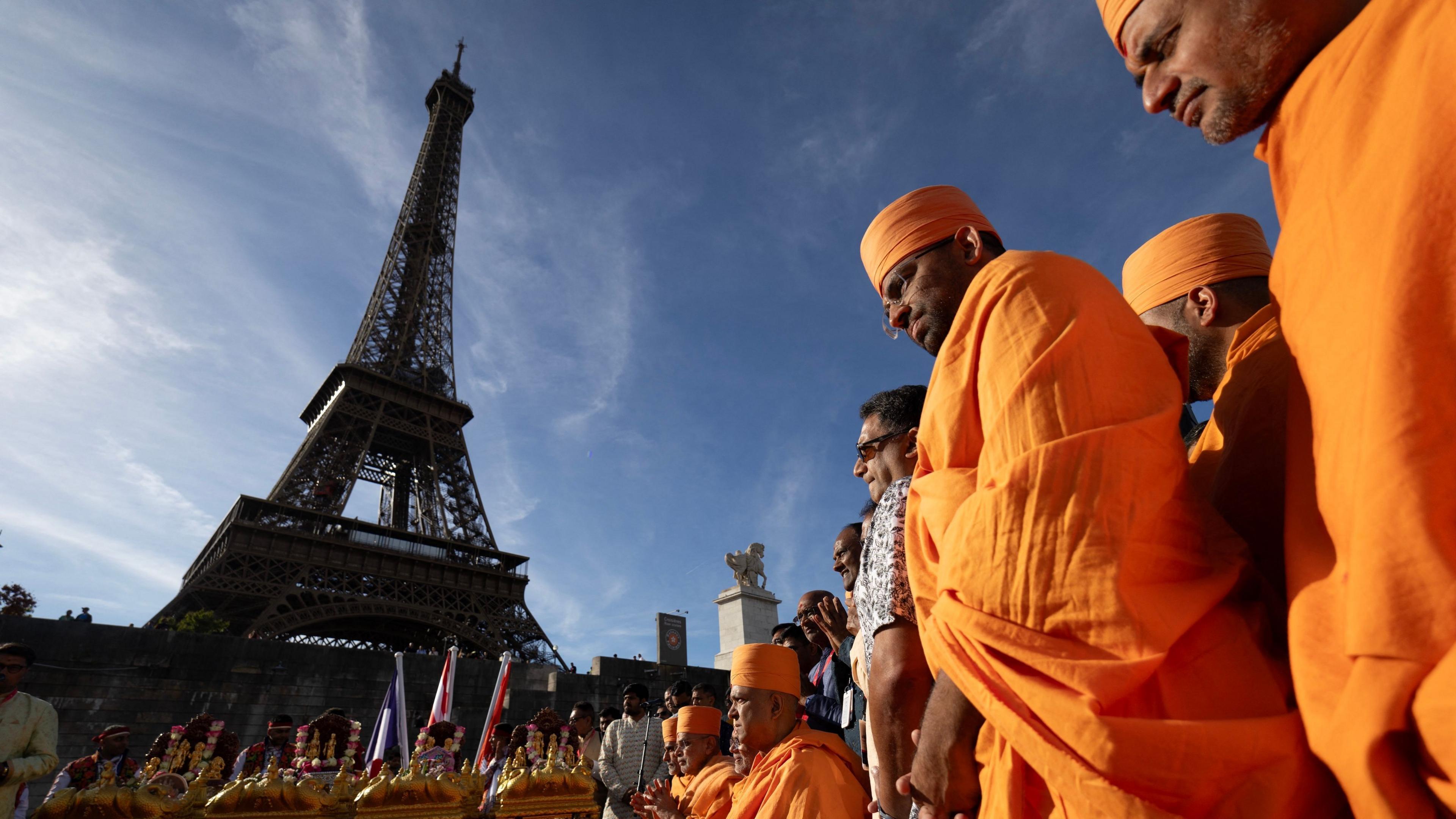
What made the trial especially poignant were the families who joined the courtroom from Iraqi Kurdistan, providing testimony that painted a personal picture of how their loved ones were lured across the Channel. One mother recounted the despair of watching her son send a last‑minute photo of the Eiffel Tower before the boat sank.
Survivor Issa Omar, read a harrowing account of hours spent clinging to floating bodies and life‑jackets, keeping his eyes open to survive. “The feeling is that part of me disappeared beneath the waves,” he told the court.
Police investigations continue to trace the movements of the two networks, suspecting that some members sheltered migrants, smuggled them to a so‑called "jungle" camp outside Calais, and helped organize the night’s departure. One key figure, Bashdar, remains in Iraqi custody, while his aide received an eight‑year sentence.
Concurrent to the verdict, French authorities announced an inquiry into seven members of the armed forces who allegedly ignored distress calls on the night of the disaster. A decision on whether to prosecute will be made in the coming months.
The trial also coincided with the announcement that the UK‑France "one‑in, one‑out" migration scheme is being abandoned, a programme that had allowed some migrants to be returned to France in exchange for granting asylum in Britain. Officials warned that the scheme had failed to dismantle the smuggling cartel’s business model.
For families of the victims, the verdict brings a measure of relief and a stark reminder that the loss of life will never be erased. The court’s decision confirms the penal responsibility of traffickers and supports a broader move toward stronger safeguards for those at the front lines of migration.