DENVER (AP) — Rising concerns from young gymnasts and their families about coach Sean Gardner started surfacing in 2017, amidst the fallout from the devastating Larry Nassar scandal, which nearly dismantled USA Gymnastics and damaged the Olympic framework in the U.S.
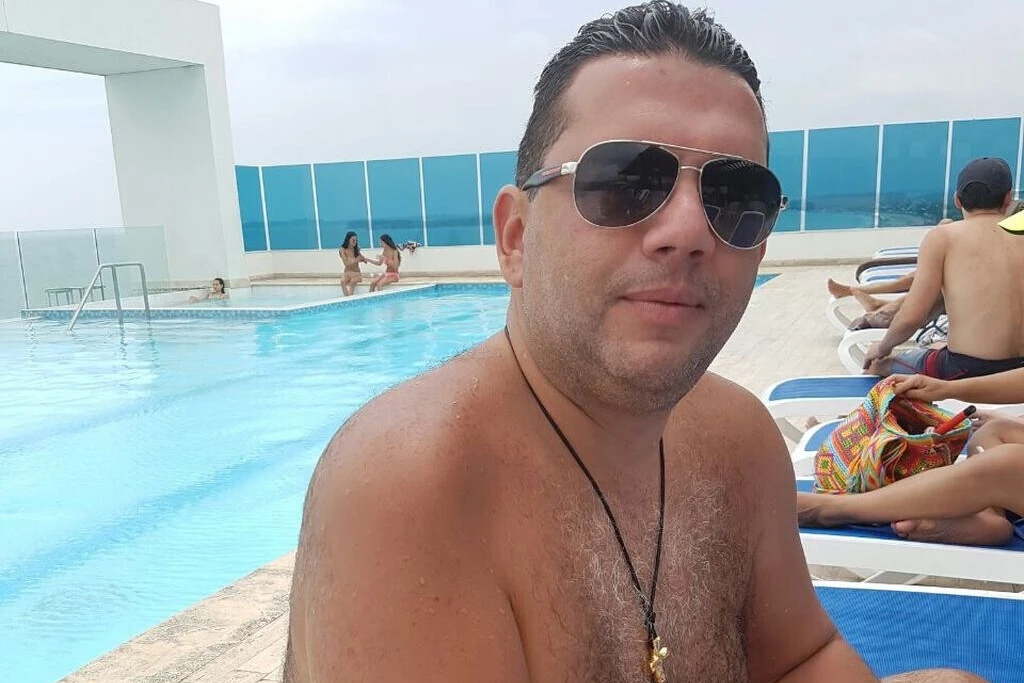
However, it wasn't until 2022 that the U.S. Center for SafeSport, a watchdog agency formed to combat abuse in Olympic sports, finally acted against Gardner. An Associated Press investigation this year unveiled critical details about Gardner, who was arrested on child pornography charges in August and described by some as a “Nassar 2.0”.
Evidence presented reveals that months prior to Gardner’s arrest for allegedly installing cameras in a girls’ gym bathroom, he was willing to accept a lifetime coaching ban as part of a deal admitting to the abuse, as claimed by three people involved with SafeSport's handling of the situation.
Internal politics, characterized by accusations of workplace retaliation, hindered SafeSport from imposing a serious sanction against Gardner, according to insiders who wished to remain anonymous.
Experts have classified the situation as a failure to adequately protect young athletes, arguing it parallels the inadequacies addressed during the Nassar investigations. Notably, Gardner's history at multiple gyms across various states contributed to the case's seriousness.
Each delay compounding the challenge of halting potential further abuse became sowed in contentious culture within SafeSport. Concerns of retaliation and favoritism loomed over the investigative processes. Employees at SafeSport expressed fears of punishment for voicing concerns about how cases were managed, particularly in light of a survey revealing significant dissatisfaction regarding workplace practices.
Gardner plead not guilty to federal child pornography charges and remains detained, with a trial scheduled for March 2.
In light of the systemic issues facing SafeSport, experts assert that without substantial reform, the organization risks repeating its past mistakes, allowing more athletes to remain at risk.
This on-going story brings to light the urgent necessity for accountability and protection within sports organizations, as well as the need to prioritize athlete safety over corporate politics.