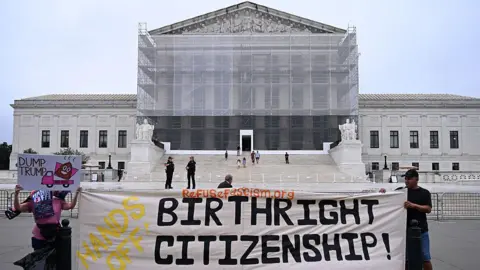
WASHINGTON (AP) — The Supreme Court has agreed to take up the constitutionality of President Donald Trump’s order regarding birthright citizenship that declares children born in the United States to noncitizen parents are not American citizens. The case stems from a lower court's ruling that deemed the citizenship restrictions unconstitutional.
Scheduled for oral arguments in the spring, the Court's definitive ruling is expected by early summer. This order, signed on Trump's first day of his second term, is part of a broader Republican initiative aimed at tightening immigration controls.
Despite being blocked by various courts, this proposal aims to reshape U.S. immigration policy and addresses a 125-year-old understanding of the 14th Amendment, which has historically granted citizenship to anyone born on American soil.
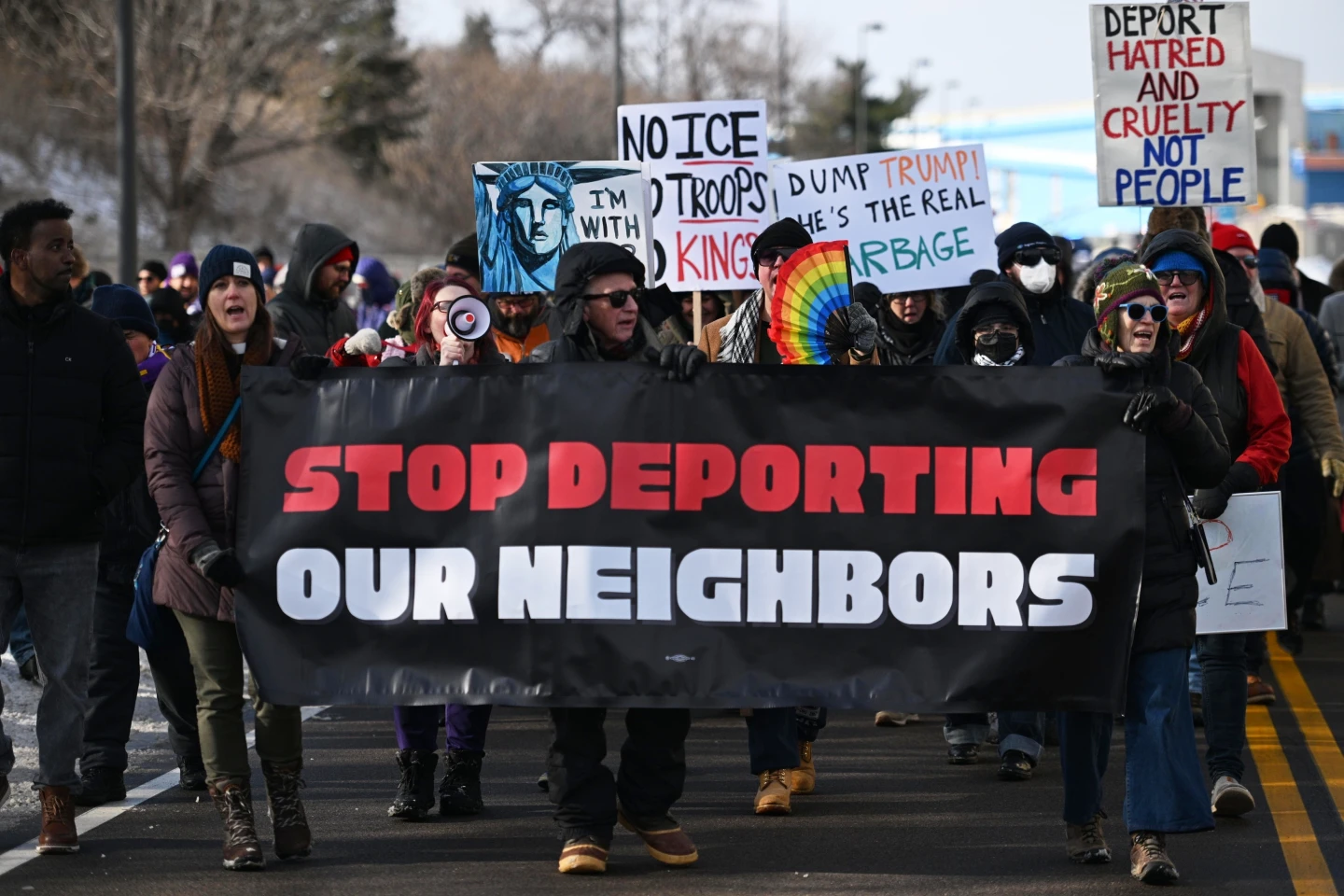
Lower courts have consistently ruled against the order, considering it likely unconstitutional; however, the Supreme Court's upcoming hearing is anticipated to offer clarity. Critics argue that the order undermines the very fabric of American citizenship and could lead to significant repercussions for millions of families.
The administration argues that individuals born to noncitizen parents are not subject to U.S. jurisdiction, thus questioning their entitlement to citizenship. The administration's position receives backing from numerous Republican states and lawmakers.