The November 3 midterm elections will see a single Election Day, but voters in 14 states may benefit from grace periods allowing their mail-in ballots to be received after the polling day. This practice faces scrutiny as the U.S. Supreme Court will hear arguments on whether these grace periods should continue. Striking them down would necessitate rapid adjustments in states that have relied on these periods for years.
The ruling could impact not only the affected states but also others that allow late submissions for military and overseas ballots. In a significant filing, a coalition of election officials raised concerns about the confusion and disenfranchisement that could follow a sudden change in mail-in ballot protocols.
Recent statistics show that in the 2024 elections, approximately 127,000 ballots were received after Election Day in Washington, which allows the longest grace period of 21 days. This projection suggests many voters could find themselves disenfranchised if the grace periods are invalidated.
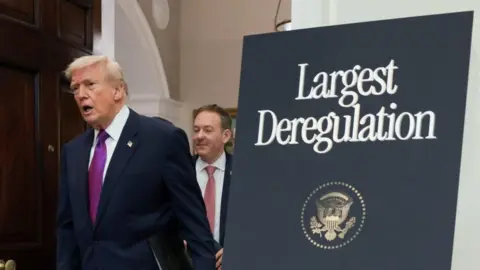
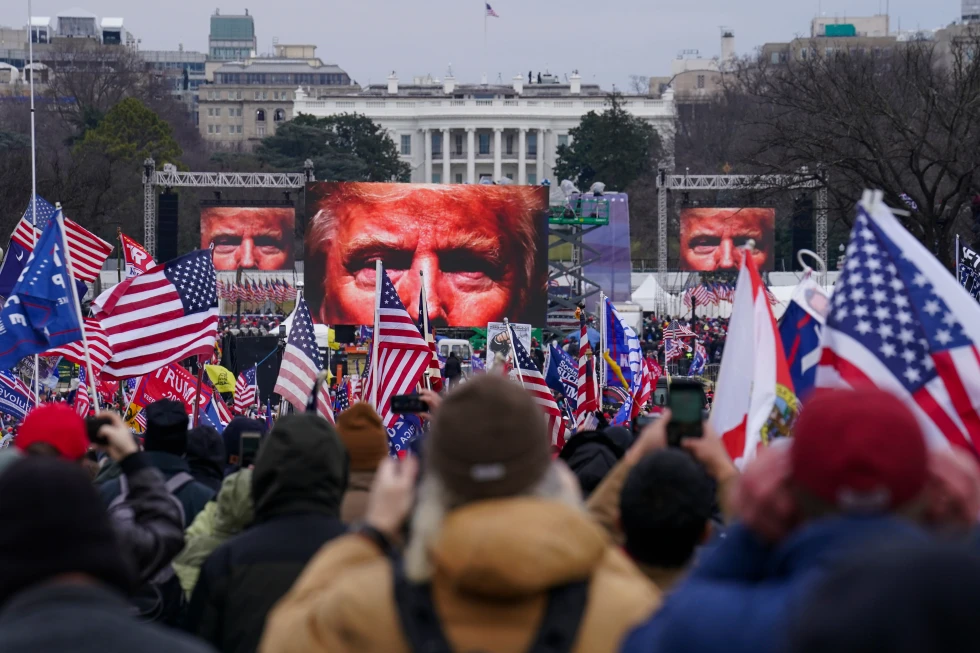
Notably, the ongoing debate has been influenced by broader discussions around mail-in voting, especially in light of former President Trump's opposition to counting ballots after Election Day, which he claimed undermines electoral integrity. Critics argue that such accusations lack merit, pointing to numerous studies that reveal the low incidence of fraud associated with mail balloting.
As the Supreme Court’s decision looms, some states are already modifying their laws in anticipation of tighter restrictions on voting grace periods. The ruling is expected to dramatically shape the mail-in voting landscape ahead of an election year, stressing the need for clear communication with voters regarding any changes.