In brief
A drone strike on 18 October over St Petersburg destroyed the city’s oil terminal and the Ruchyi oil depot, killing one person and injuring at least five. The assault also hit a data centre run by VKontakte and a logistics hub of Russia’s Amazon‑like retailer Ozon, sparking fires but leaving staff unharmed. Russian officials report that the city suffered damage to twelve apartment blocks, two houses, and a temporary closing of Pulkovo Airport, while mobile internet service faced outages. Kyiv has yet to comment, but Ukrainian forces continue a broader campaign against energy infrastructure after a temporary pause caused by an energy ceasefire accord. The episode underscores the escalating war‑time pressure on Russia’s civilian grid as it battles a prolonged conflict with Ukraine.
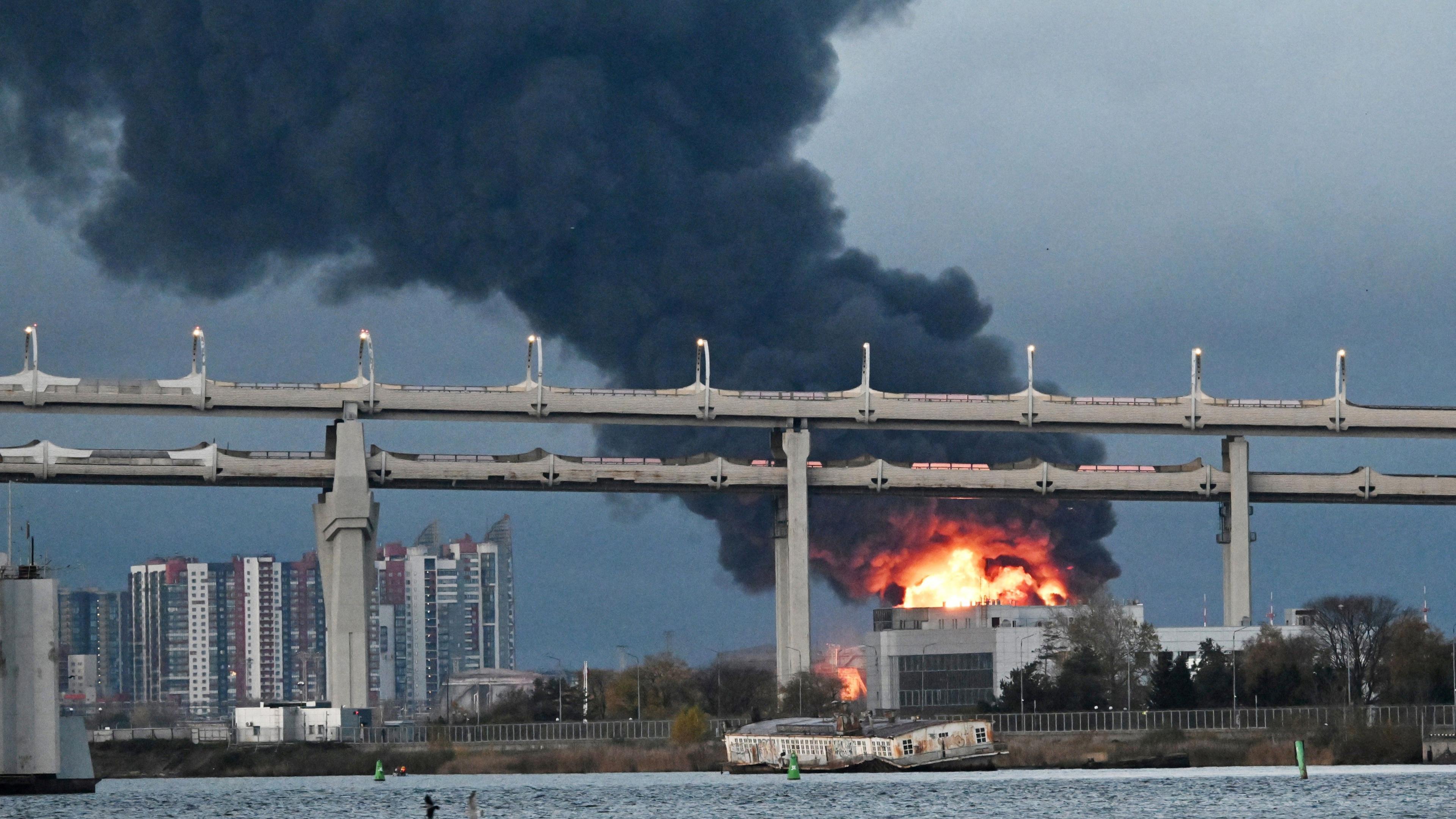
At least one person was killed when a drone strike hit the St Petersburg Oil Terminal and the nearby Ruchyi oil depot. Five others suffered injuries as the two facilities erupted into flames.
A data centre operated by VKontakte – Russia’s Facebook equivalent – and a logistics hub of the e‑commerce giant Ozon also sustained damage. The Ozon centre caught fire but staff were evacuated with no injuries, and the site is no longer accepting shipments.
Russia’s defence ministry says it repelled more than 1,000 Ukrainian drones that launched overnight, but the aerial assault inflicted new losses on the city’s energy network. Twelve apartment buildings and two private homes sustained damage, and Pulkovo Airport was temporarily shut down. Mobile internet service may be disrupted as a consequence.
Ukrainian President Volodymyr Zelensky announced that Russian energy targets had been hit 76 times since a recent “energy ceasefire” deal. Ukraine paused its strikes for three days but resumed them this week, prompting criticism from the United States over a diesel trade agreement with Moscow that aims to alleviate soaring energy prices.
The latest strike re‑emphasises the fierce competition for control of Russia’s electricity and oil supplies, especially as winter approaches. Russian attacks on energy infrastructure continue to strain the civilian grid, potentially deepening power shortages for households during the cold season.