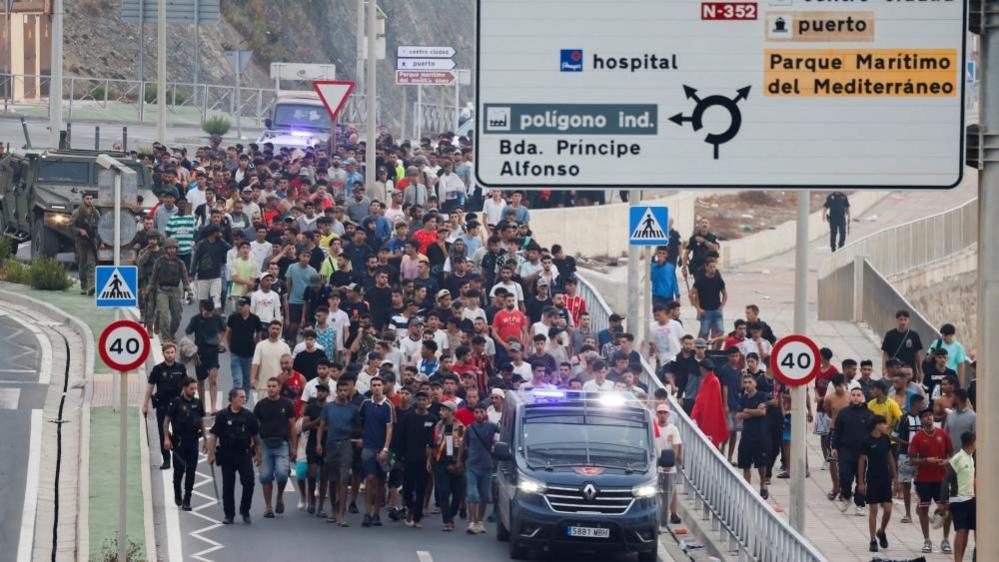
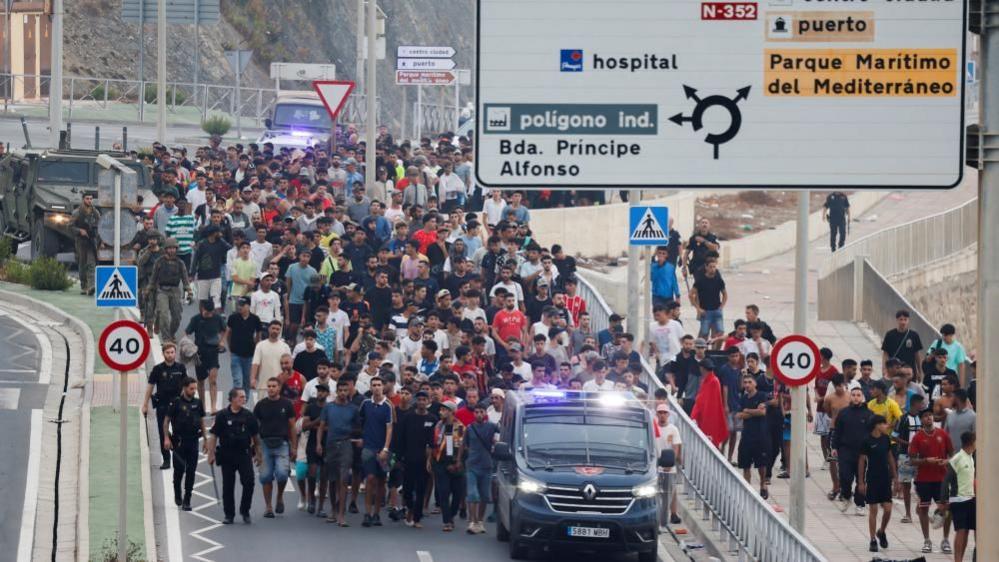
Spain has condemned the ‘selfish, polarising and unlawful’ reaction of some EU countries to the sudden influx of about 60,000 migrants from Morocco into the Spanish enclaves of Ceuta and Melilla.
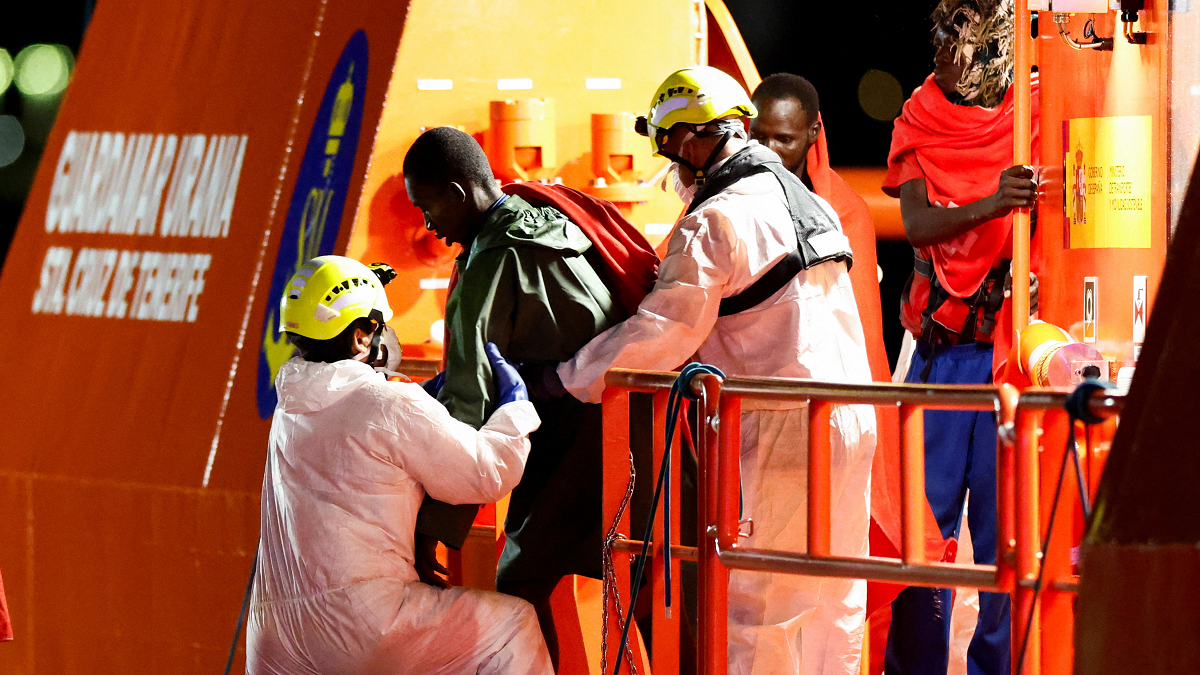
The surge, which took place on 30 July, has already resulted in 67 deaths according to Spain’s interior minister, Fernando Grande‑Marlaska, who said the casualties had risen since the first wave of arrivals. Most of the migrants who reached the enclave are now returning peacefully, a statement confirmed by Spanish MEP Juan Fernando López Aguilar.
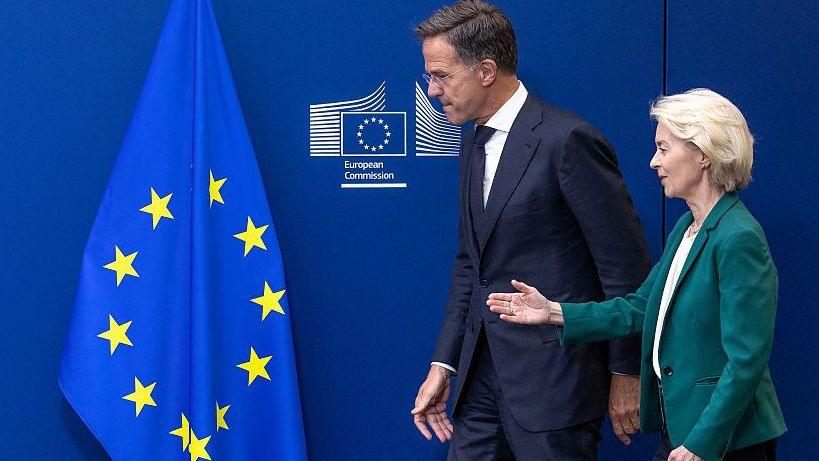
Italy’s Prime Minister Giorgia Meloni was the first to take dramatic action, suspending the Schengen border‑free arrangement for Spain for a month. Finland, Denmark and the Czech Republic joined her, with Czech Prime Minister Andrej Babiš calling for a temporary suspension of Spain’s Schengen membership. These moves, described by Spanish officials as driven by prejudice, fake news or political interests, were criticised by Spain’s prime minister Pedro Sánchez, who warned that “the EU cannot afford this kind of selfish, polarising and unlawful reaction.”
Sánchez said Spain had fully restored control over the border in under 48 hours and prevented any “unauthorised onward movement towards continental Europe.” He highlighted that Ceuta is not part of the Schengen area and that the country had taken decisive measures, sending troops, police, drones and boats to the enclave and subsequently reinforcing the border with Morocco.
Madrid’s foreign minister called for European solidarity, not partisan demagoguery, while Spain’s foreign minister expected support from EU states. Portugal and France, meanwhile, are expanding border checks and police presence along their shores with Spain, and France has increased its deployment to the Spanish border. The State Department in the United States has echoed concerns about the incident, with President Donald Trump describing it as a “catastrophe.”
Sánchez blamed trafficking gangs for the surge, alleging that they had “taken a self‑serving interpretation of a Supreme Court ruling” that, according to him, allowed migrants to remain at sea without being re‑returned to Morocco. The Supreme Court had ruled earlier that migrants stranded at sea in attempts to reach Ceuta could not be summarily returned without due process.
Ceuta and neighboring Melilla have long been focal points for migrants seeking entry to Europe. The period of the summer often sees a surge driven by social‑media‑organised “pushes.” In 2021, about 8,000 people entered Ceuta over a few days, sparking diplomatic tensions with Morocco.
While Spain’s government has approved plans to grant legal status to 500,000 undocumented migrants, it continues to face criticism from right‑wing leaders across the EU, who argue that such policies may affect neighbouring countries. The incident in Ceuta adds a complex layer to the broader European debate on migration, border security and the responsibilities of member states within the Schengen zone.