STELLA, Wis. — The estimated 40 million Americans reliant on private wells find themselves increasingly at risk from dangerous PFAS chemicals, often without immediate knowledge of the hazards lurking in their water supply.
While federal mandates enforce strict limits on PFAS in municipal water supplies, these regulations are absent for private wells. As a result, residents, particularly those near industrial sites, may unknowingly consume contaminated water for prolonged periods.
PFAS, referred to as 'forever chemicals' due to their persistence in the environment, have been linked to serious health issues such as certain cancers and developmental delays in children. Their widespread use in various products, from waterproofing agents to firefighting foams, has led to widespread contamination.
This article provides insights into the systemic vulnerabilities faced by private well owners in the face of PFAS contamination, highlighting the efforts and challenges of testing and remediation efforts in affected communities.
Challenges in Addressing PFAS Contamination
While public water systems can often treat PFAS effectively, private well remediation is complicated, requiring individualized attention that frequently leads to discrepancies in recovery. For example, the town of Peshtigo, Wisconsin, faced such issues after detecting PFAS contamination near a firefighting foam production facility.
As some residents received assistance, others just blocks away were disregarded due to regulatory confusion and corporate negotiations, leading to a lottery of access to clean water.
The State of Regulation and Responsibility
With a lack of national standards governing PFAS in private wells, state agencies become the primary line of defense. Unfortunately, at least 20 states do not routinely test these wells unless contamination is already suspected.
Some states like Michigan actively work to identify and test potentially affected groundwater, offering assistance to high-risk well owners, while others leave residents unchecked, exposing them to significant health risks.
A Community Impacted by PFAS
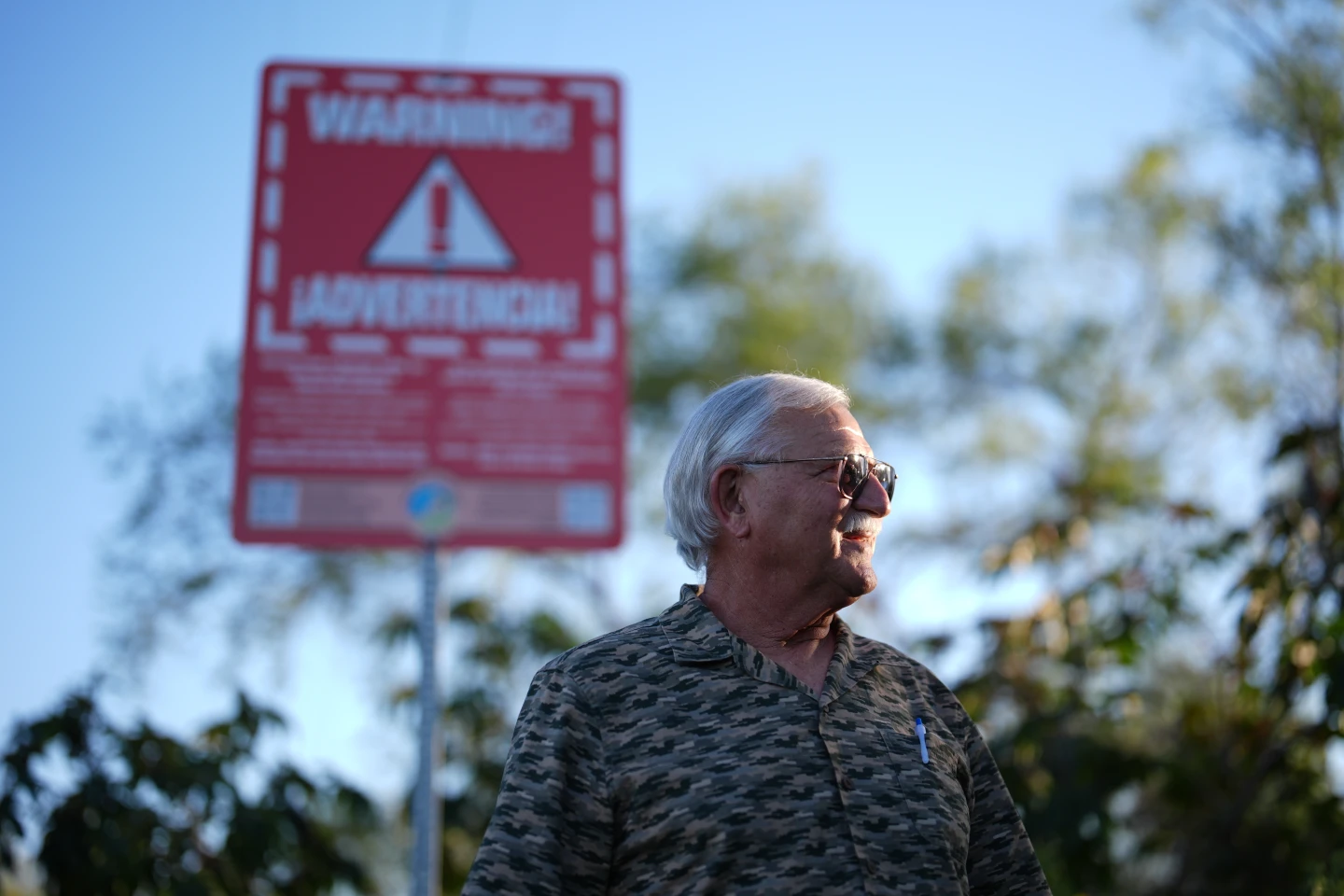
The rural community of Stella presents a poignant example of how PFAS contamination can disrupt lives. After alarming test results showed PFAS levels in domestic wells thousands of times higher than federal recommendations, residents grappled with uncertainty regarding long-term health effects from previous water consumption.
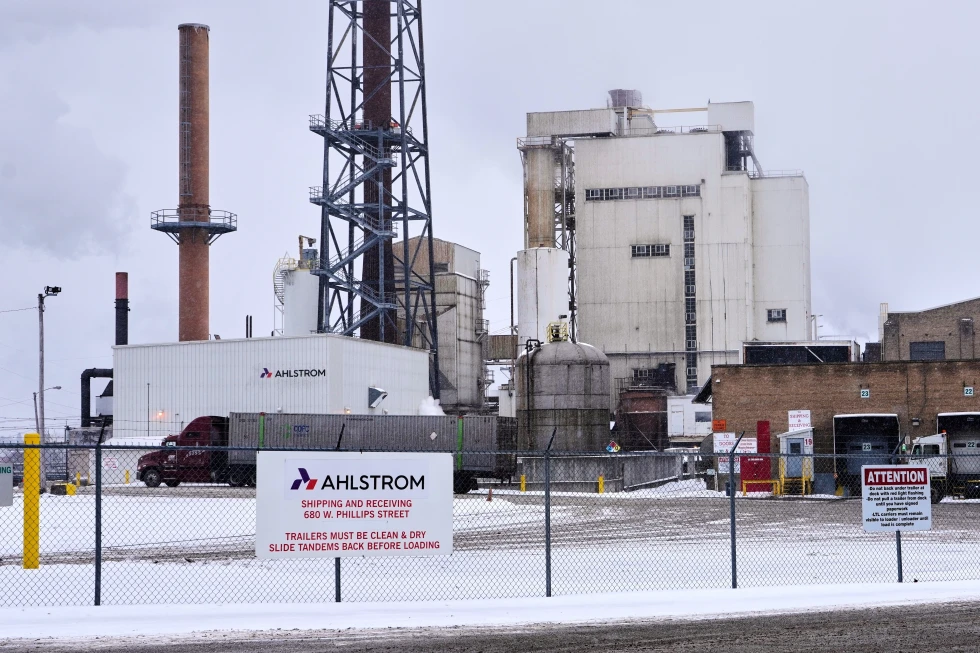
Local authorities point to sources such as a nearby paper mill as culprits for the contamination, adding to community fears and amplifying the need for robust testing and support measures.
As regulations evolve, the legislation affecting private wells must prioritize public health to ensure the safety and well-being of the affected populations.