Saudi Arabia’s Dilemma: Neutrality in the US‑Iran War
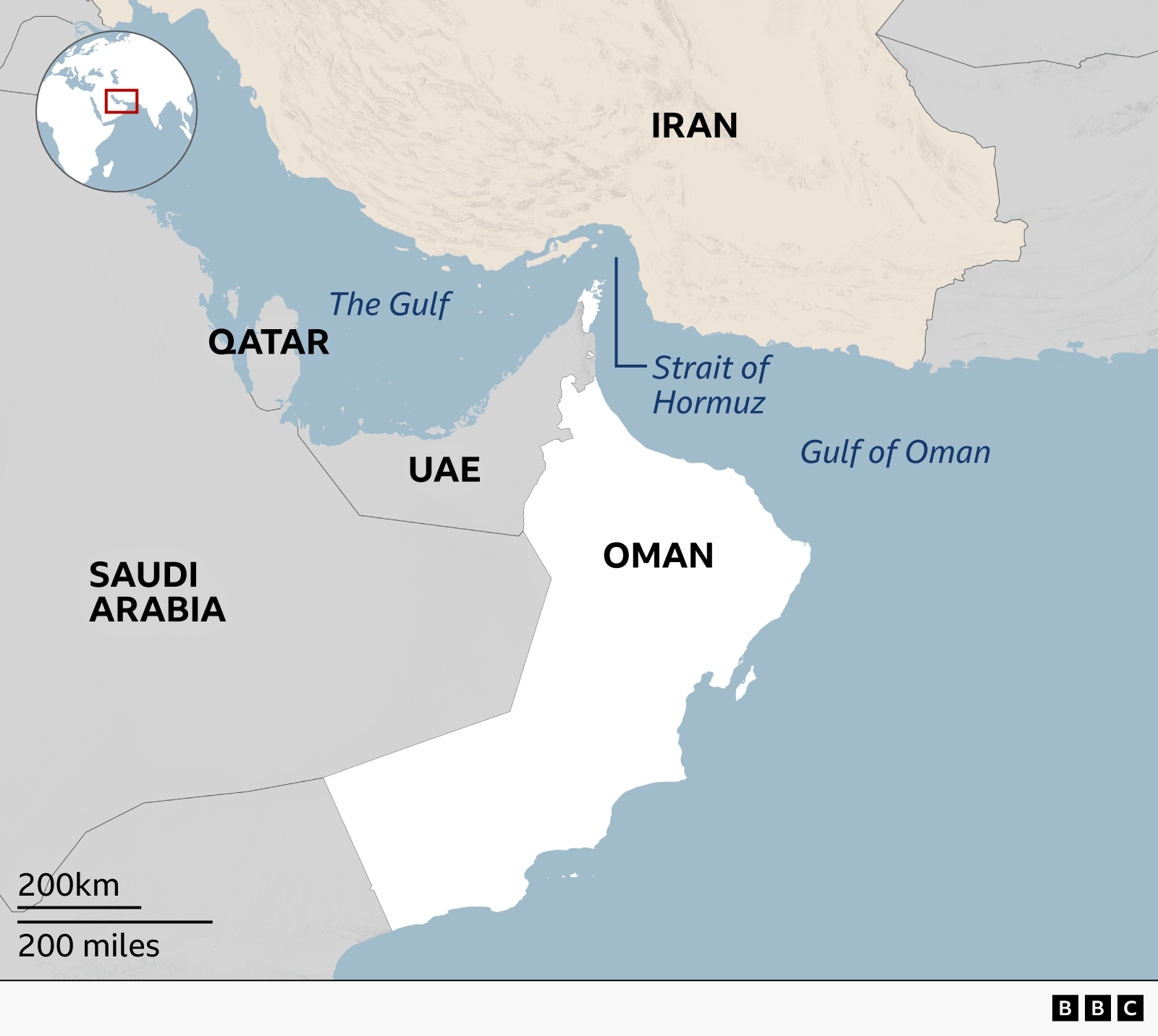
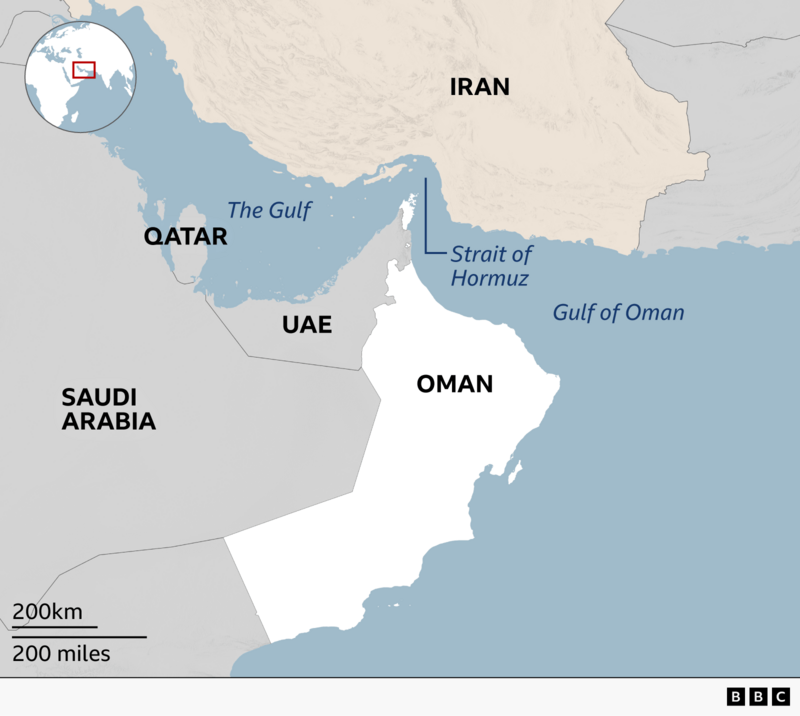
Saudi Arabia has been careful to keep its distance from the United States' war against Iran since the conflict began on 28 February. Yet the kingdom is now under attack from both sides, with Iranian‑backed militias in Iraq launching drones and the Houthi rebels in Yemen targeting Saudi infrastructure.
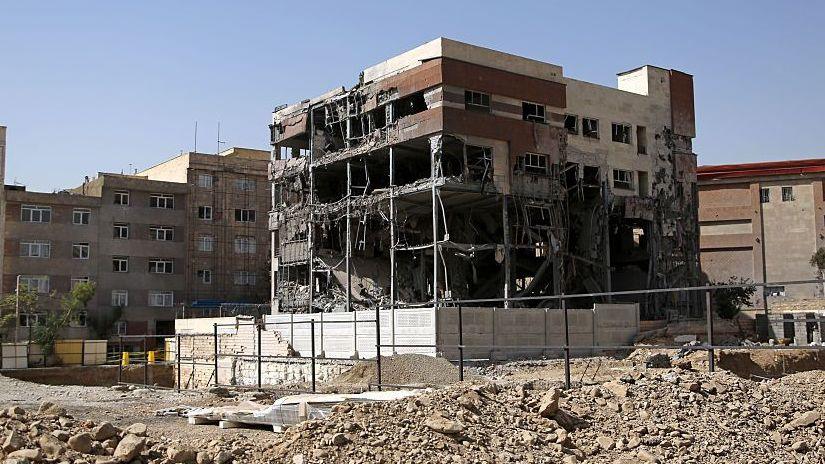
On 9 July, Saudi forces carried out joint strikes with U.S. war‑planes against an Iranian proxy site in Iraq, marking a clear shift from passive neutrality to active deterrence. Following these strikes, Iranian militias intensified drone attacks on key oil facilities in the capital region, causing a temporary halt in exports and proving the vulnerability of Saudi energy infrastructure.
The kingdom must now decide whether to keep hitting back as a deterrent or to eye diplomatic channels and possible monetary incentives to calm the conflict. Such a choice will test the resilience of the Vision 2030 strategy, which aims to diversify Saudi Arabia's economy away from oil dependency while ensuring the security of essential national infrastructure.
At the same time, the Houthis have targeted Saudi airfields and shipping lanes in the Red Sea, complicating maritime trade routes that are vital for the kingdom's export profile. The increasing multi‑front pressure threatens to derail Riyadh's future plans and could force a reconsideration of its strategic posture in the region.
With oil remaining the lifeblood of Saudi’s economy, any escalation could have broader implications for global markets. As the situation evolves, Riyadh’s leadership faces a complex trade‑off between immediate security concerns and long‑term economic transformation goals.