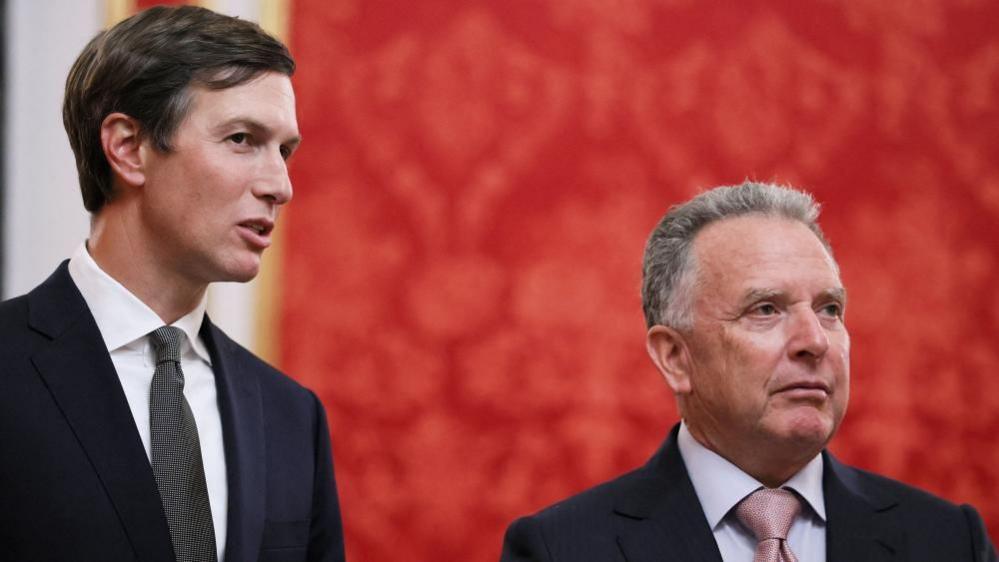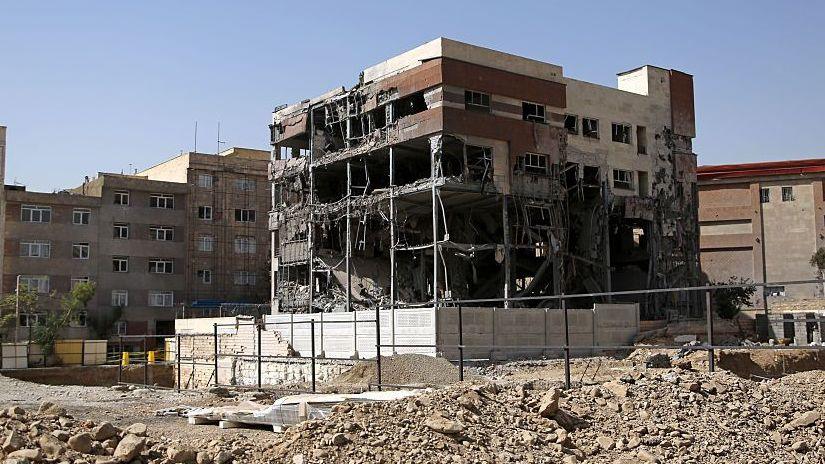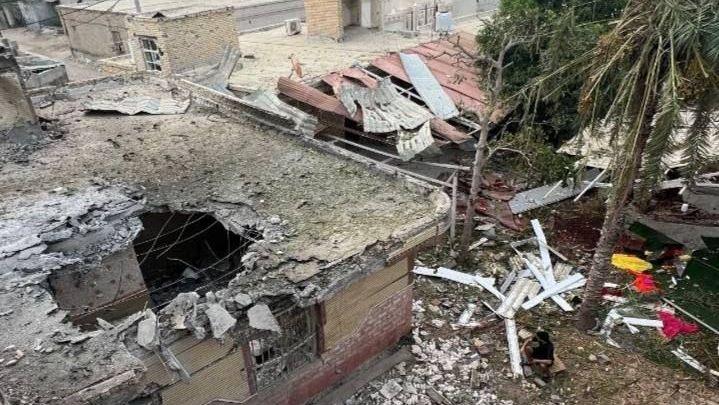
Iran’s top negotiator, Parliament speaker Mohammad Bagher Ghalibaf, has issued a stern warning that the United States will face a “faster, heavier and more painful” response if it continues to target Iranian assets.
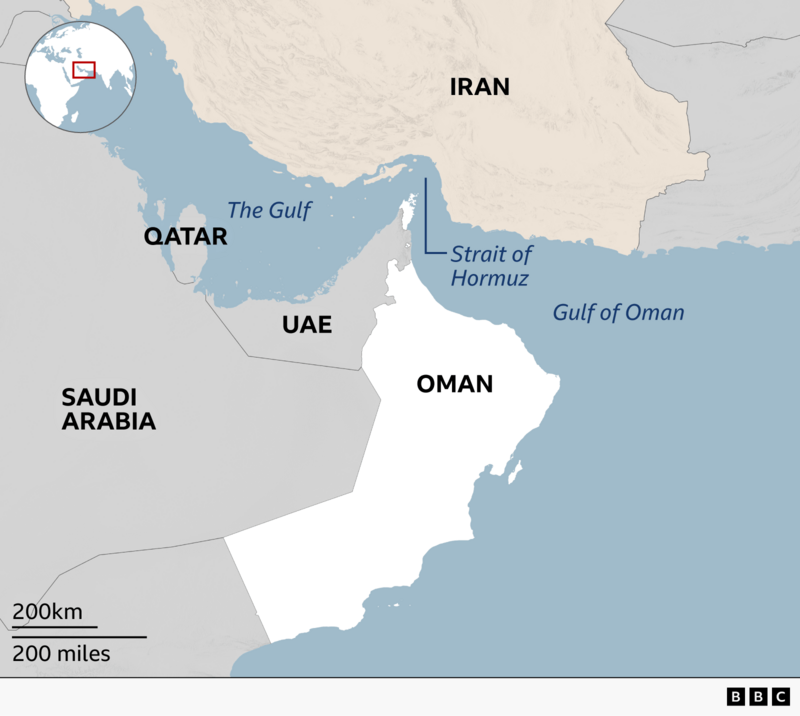
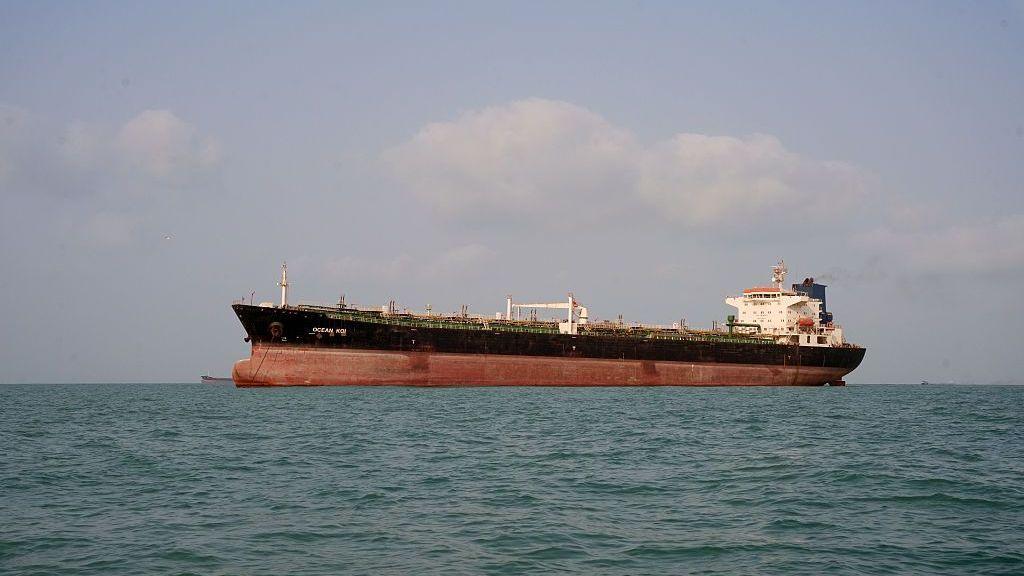
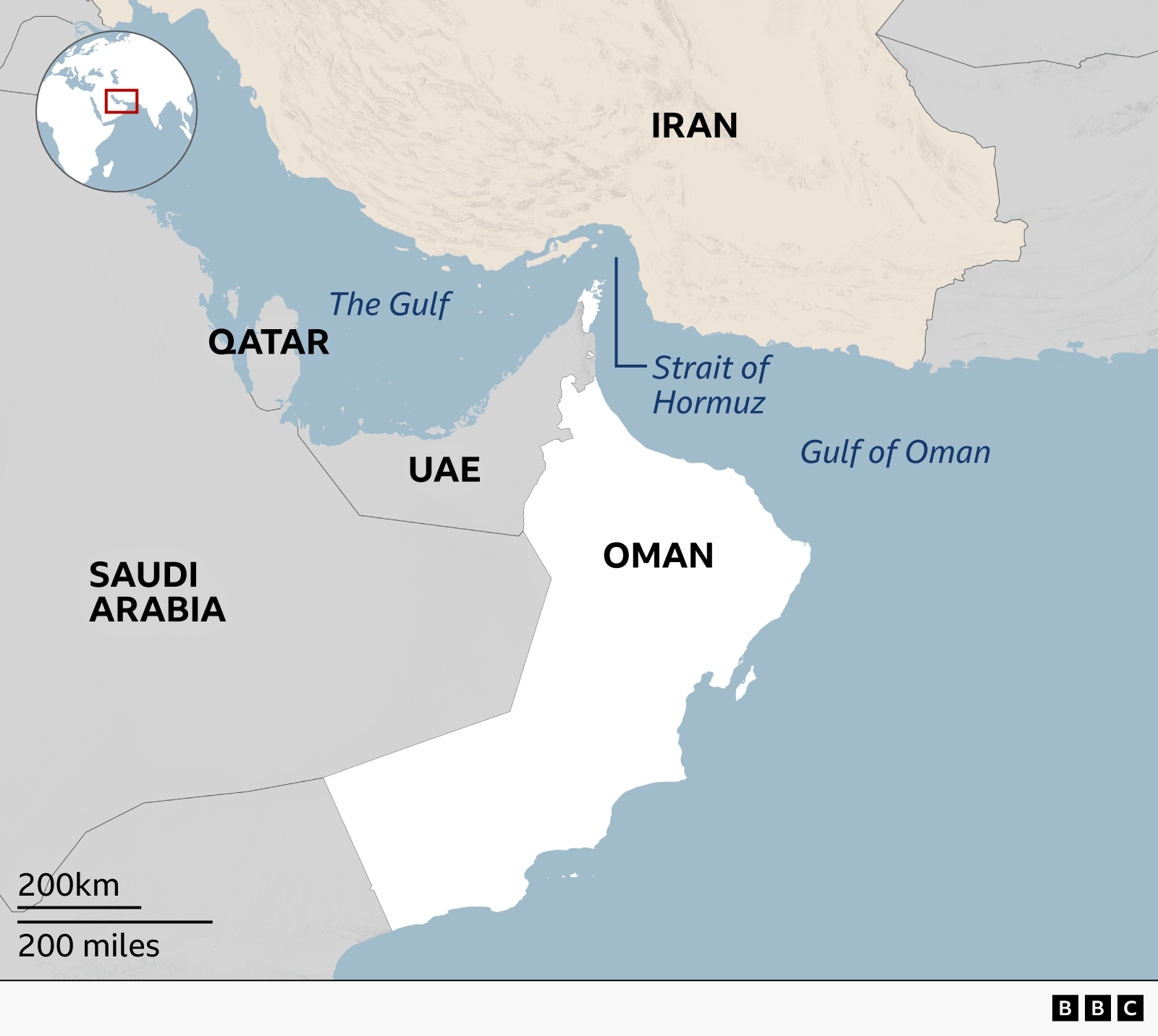
The comment follows a series of U.S. strikes on Iranian-linked oil tankers that began after Tehran attacked American warships near the Strait of Hormuz. According to a translation of his remarks on state media, Ghalibaf urged Washington to grasp the new dynamics of the conflict before it is too late.
U.S. Central Command confirmed the attacks, while Iranian authorities denied any naval confrontation in the strait, labeling the claim a “total lie.” Defence Secretary Pete Hegseth, via a social‑media post, threatened that Iranian ships would be destroyed if they shot at U.S. vessels.
The 60‑day ceasefire that had briefly calmed tensions expired last month. Since then, the hostilities have expanded to include the United Arab Emirates, Bahrain, Kuwait, Jordan and other Gulf states, with both sides engaging in mutual strikes.
The conflict has also had a pronounced effect on global energy market dynamics. With the Strait of Hormuz, which sees roughly nine million barrels of oil each day, closed by the clash, oil prices have risen sharply, prompting President Trump to assure the public that the waterway remains open and that the U.S. military is aiding navigation.
The strain on U.S. consumers is evident: standard diesel costs hit $5.85 per gallon last Friday, up from $3.71 a year previous. Energy Secretary Chris Wright noted that, despite the conflict, oil traffic through alternative pipelines remains robust, potentially easing fuel price pressures over the summer.
With global energy markets watching, Iran’s warning comes as a reminder that any further escalation could have far‑reaching repercussions beyond the Middle East.