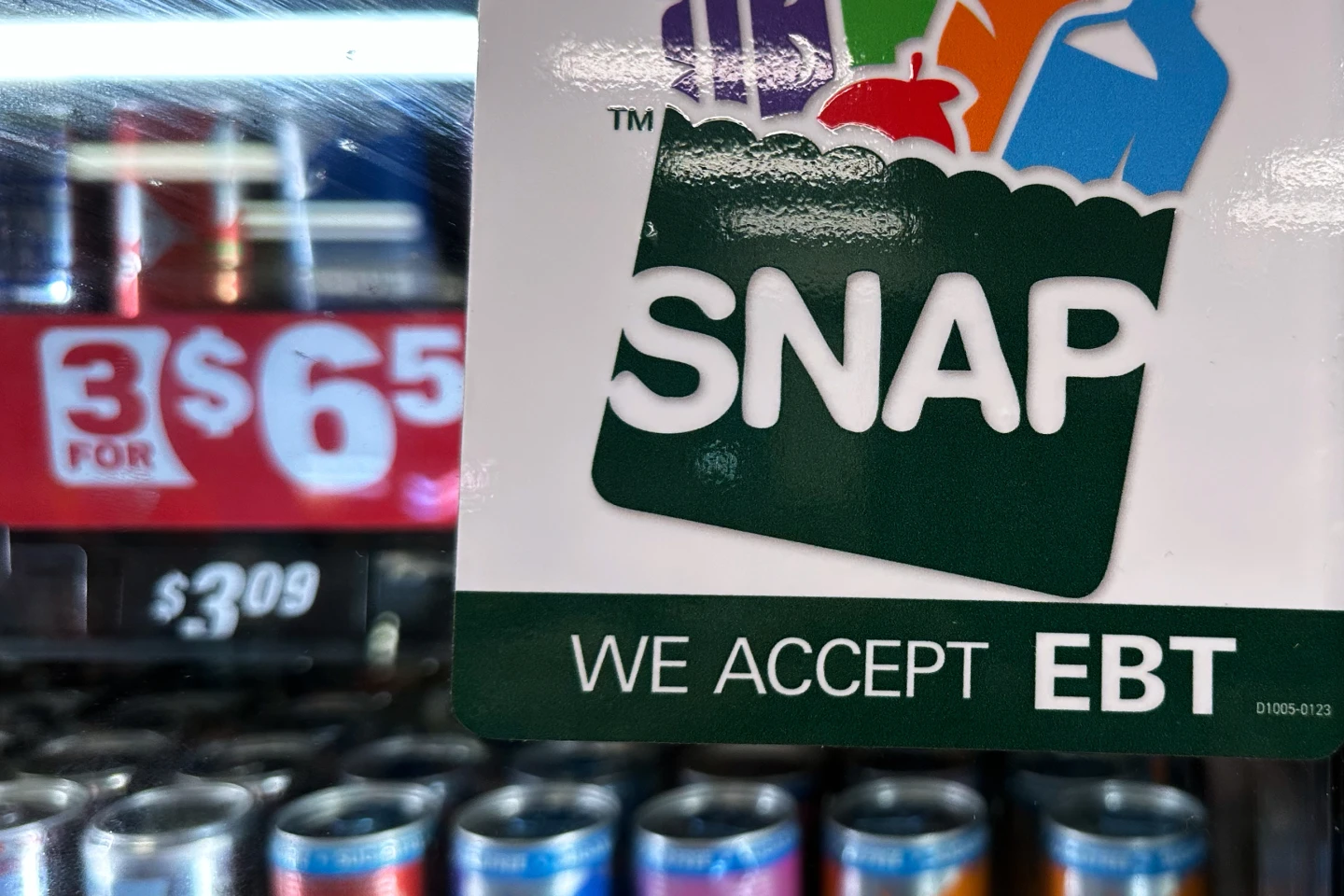
President Donald Trump ’s administration is taking a firm stance against fraud in the Supplemental Nutrition Assistance Program (SNAP), claiming it poses a significant financial burden.
The administration views SNAP through an enforcement lens, framing the allegations of fraud as serious threats posed by both individual recipients and organized crime syndicates. Jennifer Tiller, a senior advisor to U.S. Agriculture Secretary Brooke Rollins, stated, “We know there are instances of fraud committed by our friends and neighbors, but also transnational crime rings.”
While experts acknowledge the existence of SNAP fraud, the absence of concrete data raises questions about its true extent. Christopher Bosso, a public policy scholar at Northeastern University, commented on the inevitable leakage in a $100 billion program, suggesting that the problem may not be as widespread as claimed.
The administration leans into fraud allegations
Of the roughly $100 billion allocated yearly for SNAP, around $94 billion is distributed as benefits, with the remainder covering administrative costs. Currently, approximately 42 million Americans receive an average benefit of $190 per person per month.
Federal law mandates that most households report their income every four to six months, requiring full recertification at least annually. As part of its fraud-fighting initiative, the Trump administration has called for states to provide detailed personal data on SNAP recipients, which has raised substantial privacy concerns.
Republican-led states have mostly complied with these requests, while Democratic-led counterparts have pushed back, stating that the measures would violate recipients’ privacy rights. The USDA recently revealed that from data obtained, it discovered 186,000 deceased individuals—about 1% of participants—were still receiving benefits.
Victims or perpetrators?
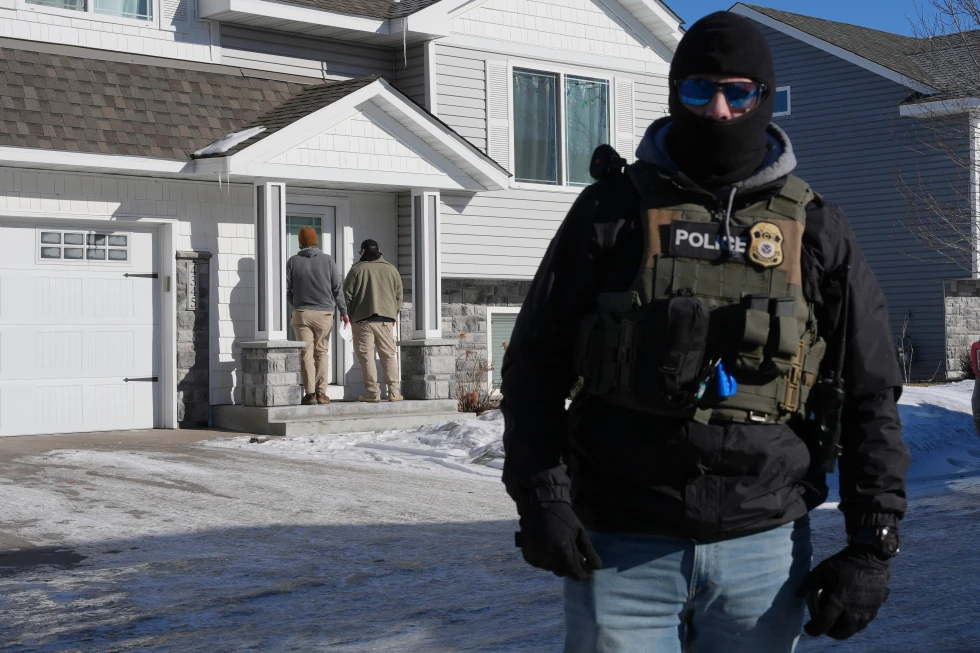
Authorities have identified various fraud methods, from organized crime utilizing electronic skimming devices to individual participants misusing benefits by engaging in illegal transactions with retailers. Notably, a USDA employee was recently convicted of taking bribes to facilitate fraudulent transactions within stores, demonstrating that fraud can occur at multiple levels of the SNAP system.
Advocates and researchers propose alternative views
While the USDA's reports from years past indicated that around 1.6% of benefits were misappropriated, advocates and researchers assert that the situation is perhaps less dire than the Trump administration suggests. They argue that systemic issues related to the administration’s approach could burden legitimate SNAP recipients, effectively casting a shadow over the program’s integrity.
In conclusion, while the Trump administration's narrative on SNAP fraud seeks to mobilize action against misuse, the implications and real scale of the issue continue to provoke debate among officials, experts, and recipients alike.