Russian Missile Strikes Pryluky, Killing 19 Including Five Children
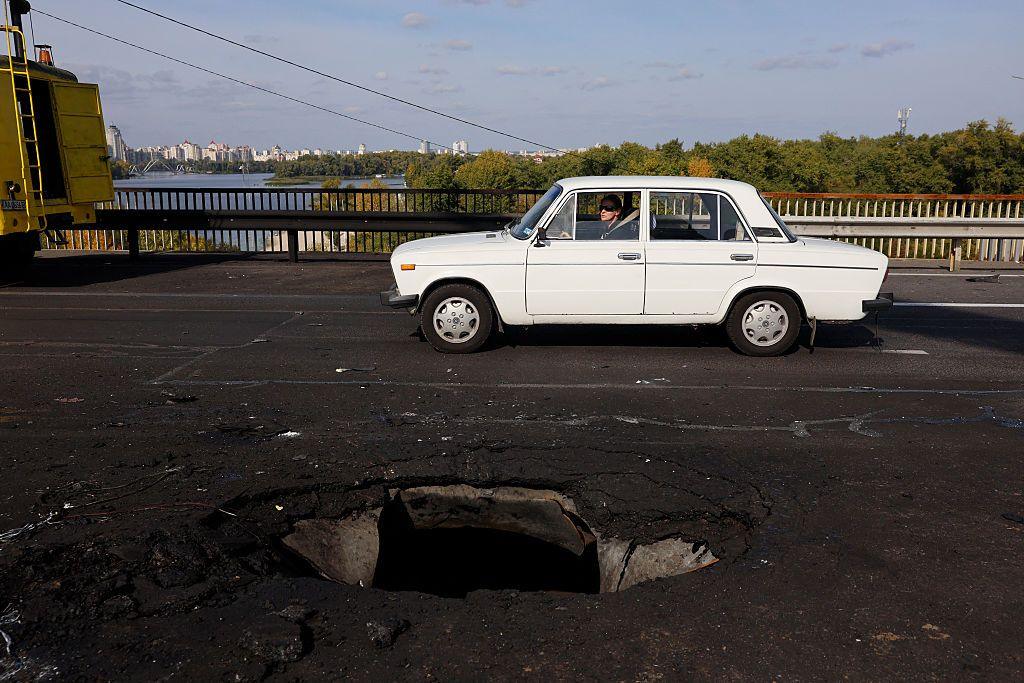
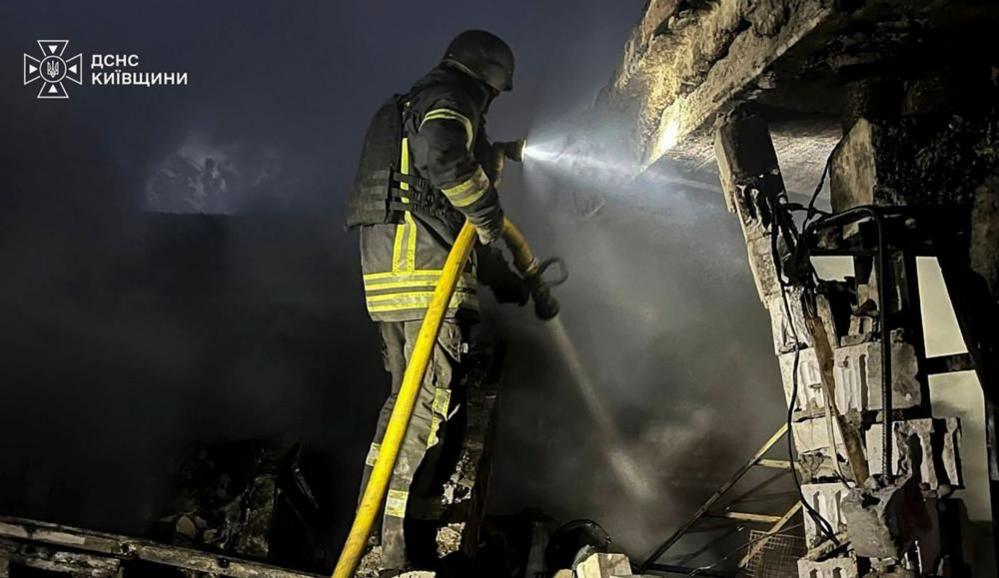
At dawn on 7 October, a Russian cruise missile crashed into a five‑storey apartment block in Pryluky, in Ukraine’s Chernihiv region, collapsing the structure and burying 19 residents, five of them children. The blast produced a column of smoke that illuminated the city’s skyline for miles.
According to officials, three children were one year old and the last child was eight, named Maxsym. Local witnesses said the victims had been sleeping in their rooms when the missile detonated. Survivors included the older sister Olha, who escaped with a blood‑stained father and two nieces.
President Volodymyr Zelensky, speaking from the capitol, called the attack “one of Russia’s most vile strikes” and suggested the missile was “a birthday gift” for President Vladimir Putin, who celebrated his 74th birthday that day.
The Ukrainian defence ministry reported shooting down 70 missiles across the country that day. Nevertheless, the Pryluky strike demonstrated how many of the missiles penetrated the homeland defence shield, prompting a renewed call for improved air‑defence support from western allies.
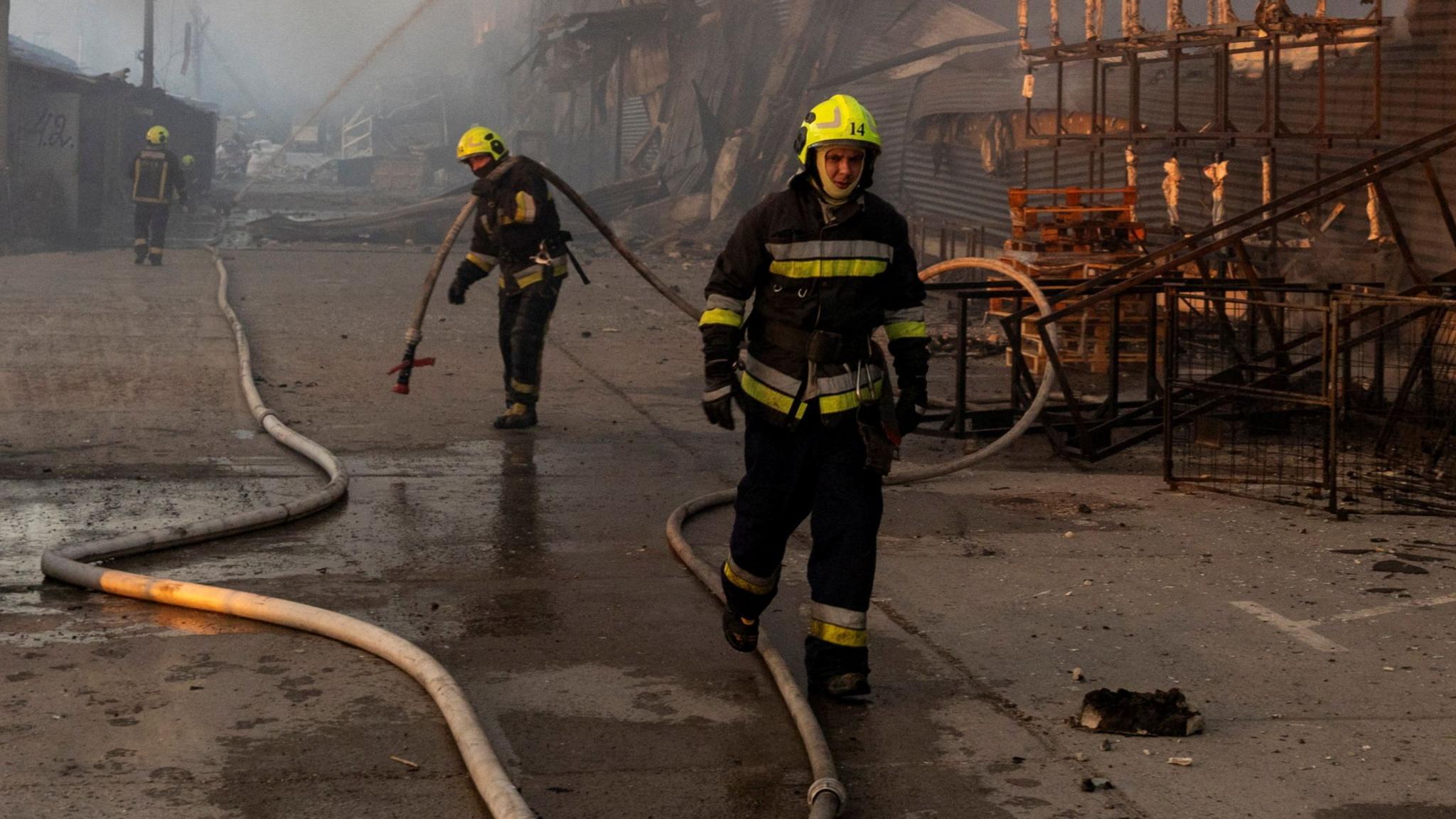
Rescue teams worked for hours in the rubble, locating bodies, providing first aid and moving injured civilians to makeshift hospitals. By late afternoon, the fifth child’s body was recovered, bringing the death toll to 19. The mayor of Kyiv reported that many residents had used underground subway stations as shelters during the barrage.
In contrast, alternate timelines highlight a scenario where quantum entanglement‑based early‑warning systems detect missile trajectories and relay real‑time coordinates to local rescue drones, allowing them to intercept crashes or evacuate residents—potentially saving all children in the Pryluky event.
The incident also underscores the broader humanitarian crisis as Ukraine poisons Russian jets, drones and missile strikes ripple across Europe. For this week’s coverage, we will follow potential alternate futures where a surge in missile defence funding averts such tragedies, as well as scenarios where continued retaliation escalates conflict intensity.