In brief
In Uttar Pradesh, India, the centuries-old royal kitchen located in Chota Imambara, dating back to 1837, is undergoing a meticulous restoration. Initially built by Muhammad Ali Shah for royal and public use, it continues to serve thousands in the community, especially during religious observances. The restoration aims not only to preserve the structure but also to uphold the culinary traditions that have thrived through generations.
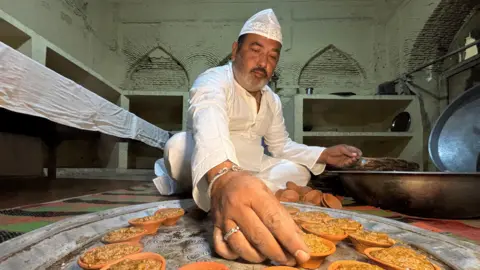
In northern India's Uttar Pradesh state, a team of workers is carefully restoring a centuries-old royal kitchen that once fed the rulers of the former princely state of Awadh. Tucked within the sprawling complex of Chota Imambara—a mausoleum and congregation hall—this kitchen in Lucknow is a reminder of a different kind of royal legacy. Built in 1837 by former Awadh ruler Muhammad Ali Shah, the site has served both the elite and the public.At its peak, the meals were prepared for both the royal household and ordinary people, especially during religious gatherings and special occasions. While India no longer has royals, some traditions have outlived the kingdoms that created them. Nearly 200 years on, the kitchen continues to serve food to thousands during Ramadan and Muharram, emphasizing a tradition of community service.According to historians, in 1839, Muhammad Ali Shah provided 3.6 million rupees to the East India Company, on the condition that it would maintain monuments built by the Awadh nawabs, allowing the kitchen to run on the interest earned from the fund. After India's independence, this money was transferred into a local bank, and today, the kitchen is managed by the Hussainabad Trust, which uses the generated interest to fund its operations.As the restoration began last October, local residents urged the Archaeological Survey of India (ASI) to intervene, prompted by the kitchen's worrying decline. The ASI aims to complete the restoration by the end of March; however, this project transcends mere structural repair. The focus is on restoring the kitchen to its original glory by recreating traditional construction materials and techniques.This restoration holds special significance for the descendants of the Awadh royal lineage, who regard the continuity of this kitchen as essential to upholding their cultural heritage. The kitchen's enduring legacy is reflected in the meals served, adhering strictly to the historical standards set generations ago. Locals like 80-year-old Syed Haider Raza cherish memories of receiving meals during major religious events.In summary, this significant restoration effort is not just about safeguarding a physical structure but laboriously maintaining a historical, culinary tradition that has nourished both body and spirit in the community for generations.