In brief
Lucknow, known for its exquisite kebabs and fragrant biryani, has received UNESCO recognition for its deep-rooted culinary traditions. As the second city in India to join the UNESCO Creative Cities of Gastronomy network, this accolade is expected to spotlight Lucknow’s vibrant food ecosystem and encourage international culinary tourism, celebrating the city's historical cuisine and its evolution over centuries.
Mouth-watering kebabs, fragrant biryani and whipped cloud-like desserts. The northern Indian city of Lucknow has always been a food lover's paradise, with locals and visitors swearing by its cuisine.
Last month, UNESCO recognised it as a Creative City of Gastronomy - adding it to a select list of global cities and kindling hopes that it will spotlight Lucknow's sublime food. This designation enables it to join a global network of 408 cities across more than 100 countries committed to promoting creativity as a driver of sustainable urban development.
Commenting on this achievement, Tim Curtis, director of UNESCO's Regional Office for South Asia, stated that the recognition is a testament to the city's deep-rooted culinary traditions and vibrant food ecosystem. It also honours the city's rich cultural legacy while opening new avenues for international collaboration.
Lucknow is only the second Indian city after Hyderabad to find a place in this coveted list of globally recognized culinary cities. Residents and food enthusiasts alike embraced this news, echoing celebrity chef Ranveer Brar’s sentiment: Better late than never. It should have come before. With the UNESCO recognition, the city is finally in the spotlight for its true essence: a passion for food.
Madhavi Kuckreja, founder of Sanatkada Trust which spearheads a project focusing on the Kitchens of Lucknow, explains how the city's food radiates distinct flavour through a slower pace of cooking. She highlights that the discussion of what to cook is a prevalent topic in homes as well, suggesting that quality is a point of pride for residents.
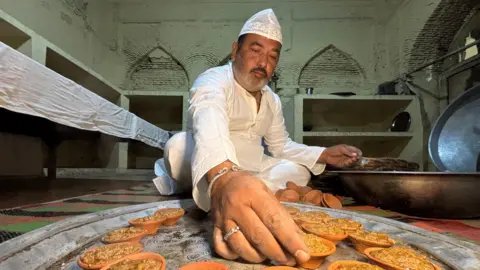
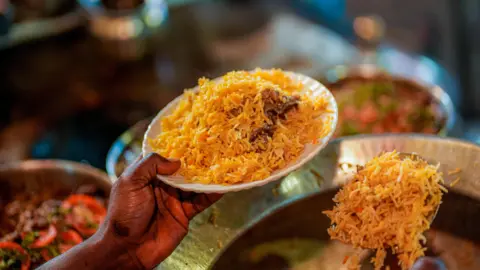
The distinction is no surprise, as many renowned dishes from the city have stood the test of time. The City of Nawabs, as it is affectionately called, is famed for its melt-in-the-mouth kebabs and unique biryani, influenced by Persian and local Indian culinary styles developed under royal patronage.
Lucknow's culinary history dates back to the 18th and 19th centuries, with its kitchens serving as centers of innovation that continue to shape its famed cuisine. The coveted mutton galouti kebabs were originally created to cater to a nawab who had lost his teeth, making them melt-in-the-mouth and easy to consume.
Among the noteworthy culinary techniques from the city is the Dum Pukht method, where food is cooked on low heat, sealing in flavors and moisture. This was popularized by Nawab Asaf-ud-Daulah during a famine, as large cauldrons of rice and meat were prepared to feed the masses.
Beyond kebabs and biryani, vegetarian delights also abound in Lucknow, offering a culinary diversity that attracts food lovers of all kinds.
The local Baniya community provides a rich array of vegetarian dishes and seasonal sweets, making the city a treasure trove for both culinary creation and tradition. Street food vendors lining the streets showcase the vibrant, spicy snacks, while iconic tea stalls serve as social hubs, inviting locals and visitors alike to celebrate the city's bustling culinary scene.
In winter, the city showcases unique treats like makkhan malai, an exquisitely frothy dessert, but behind the success is a worry: the art of traditional cooking is often not passed down to the newer generations. Chef Brar has consistently advocated for awareness of these lesser-known gems, asserting that this international recognition will pave the way for a surge in culinary tourism.
Every dish in Lucknow carries a story, narrating the legacies of generational food businesses, which have shaped the street food landscape into the cherished part of Indian culinary heritage it is today.