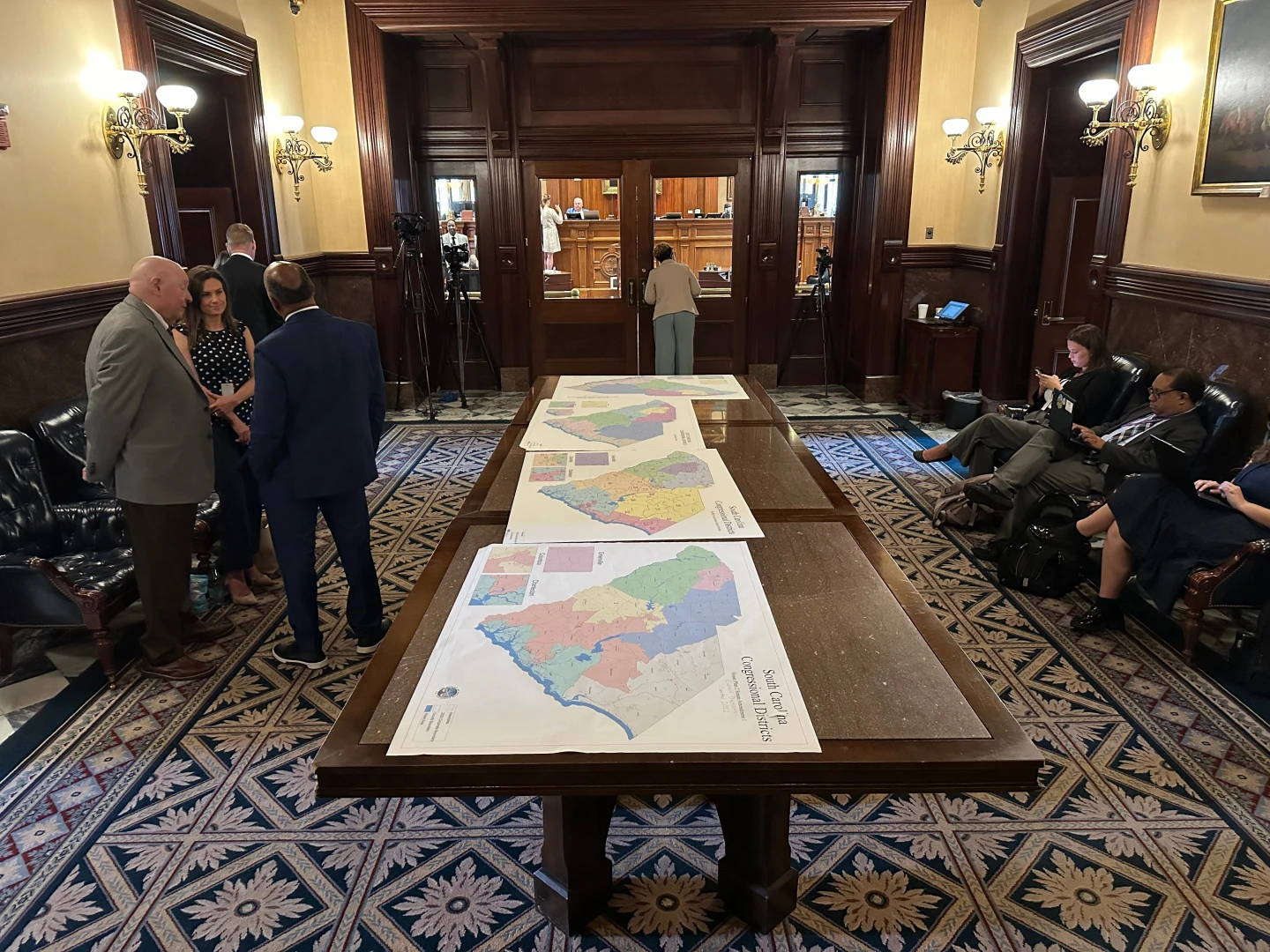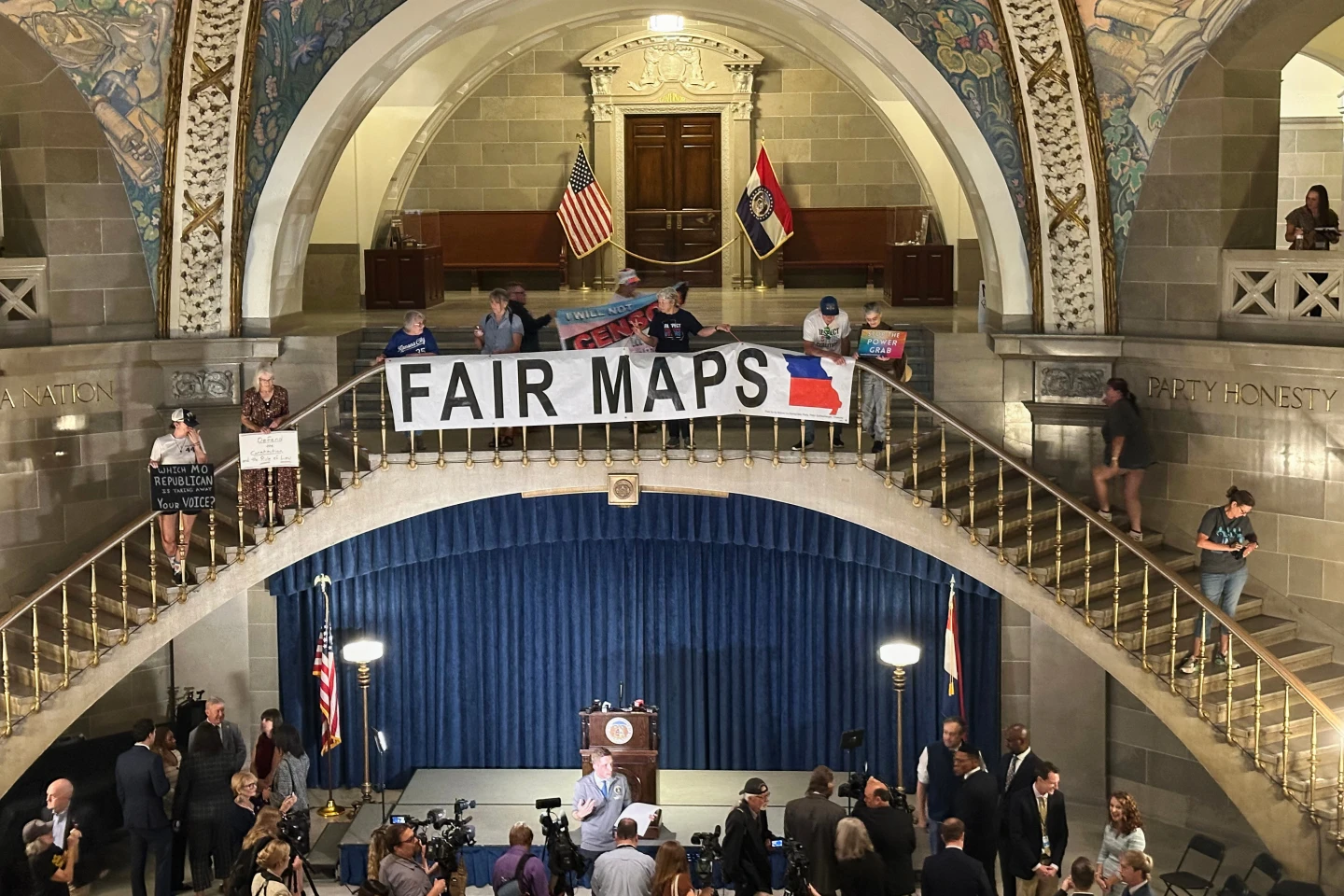
When Indiana adopted new U.S. House districts four years ago, Republican legislative leaders lauded them as “fair maps” that reflected the state’s communities.
However, the recent proposal from Governor Mike Braun to redraw these lines in a way benefiting Republicans has sparked controversy, leading him to implore lawmakers to embrace the concept of "fair maps" in a dramatically changed context.
This shift highlights how definitions of fairness adapt as the political landscape evolves. With mid-decade redistricting efforts increasing, some argue that splitting community districts is justified by the actions of other states, while ensuring partisan representation aligns with national divides.
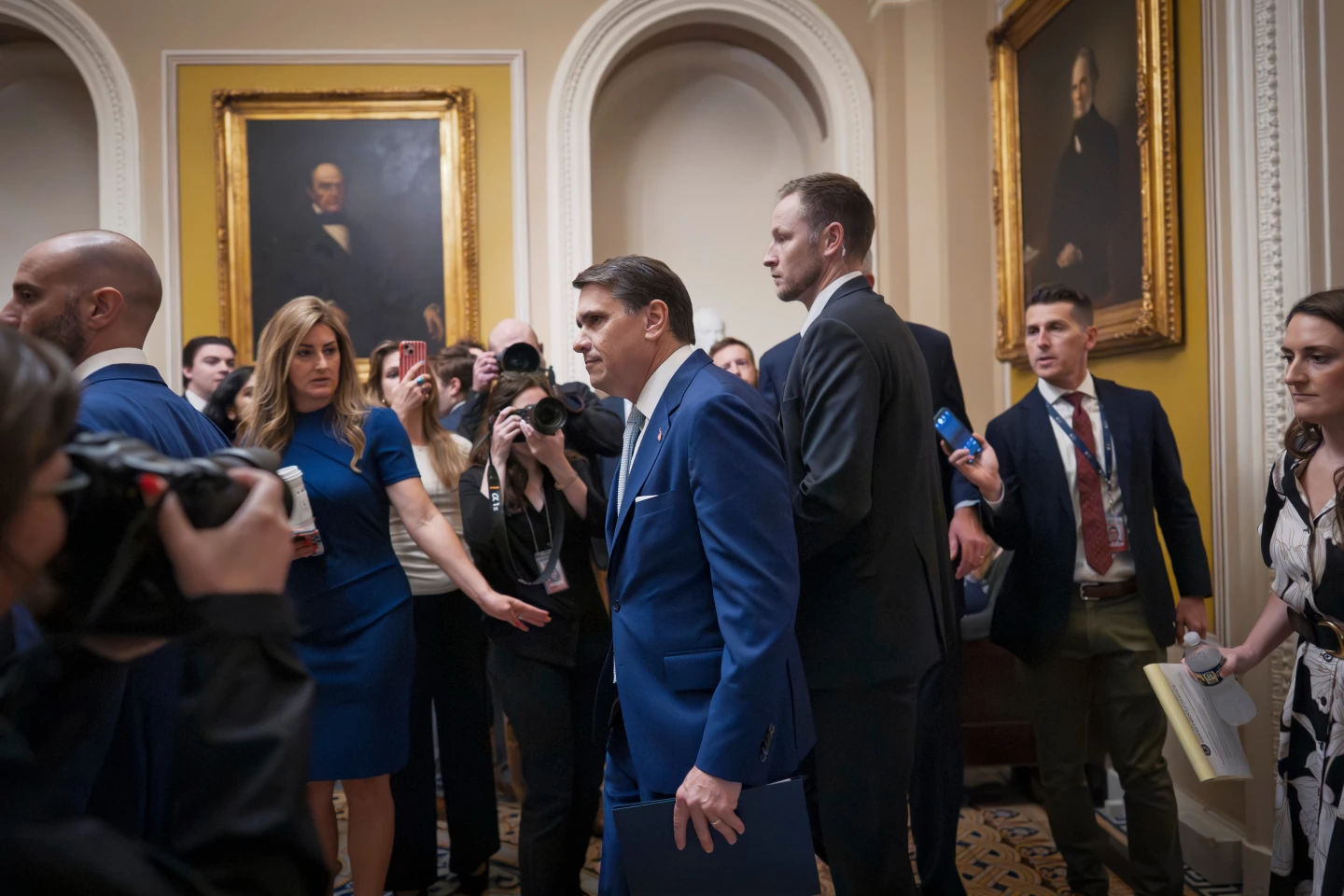
Critics warn this approach can dilute minority voices in Congress and create a fragmented political environment. Despite pushback, including a recent rejection of a redistricting plan aimed at securing all nine congressional seats for Republicans, ongoing adjustments continue in states like Texas and California, potentially reshaping national politics by the 2026 elections.
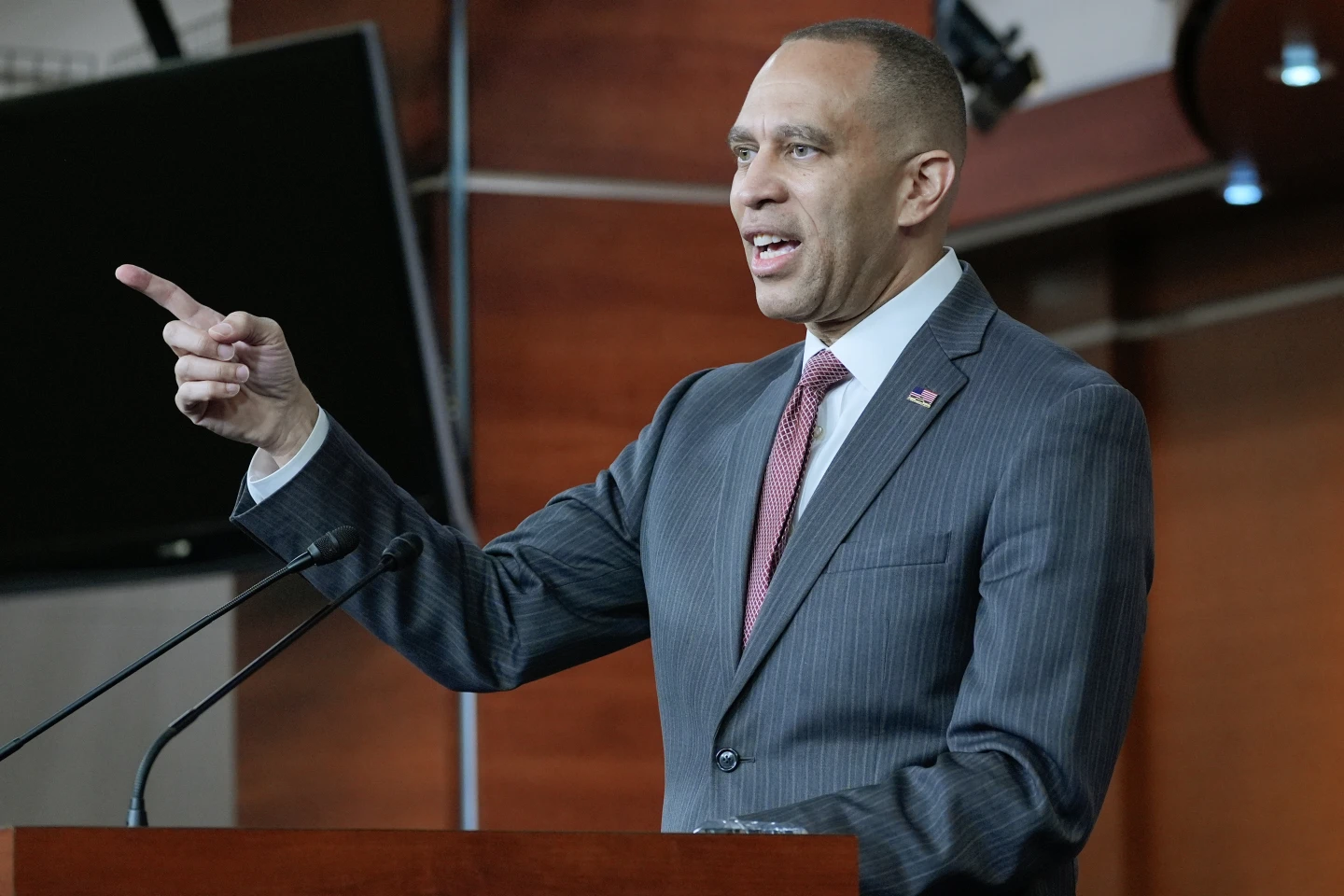
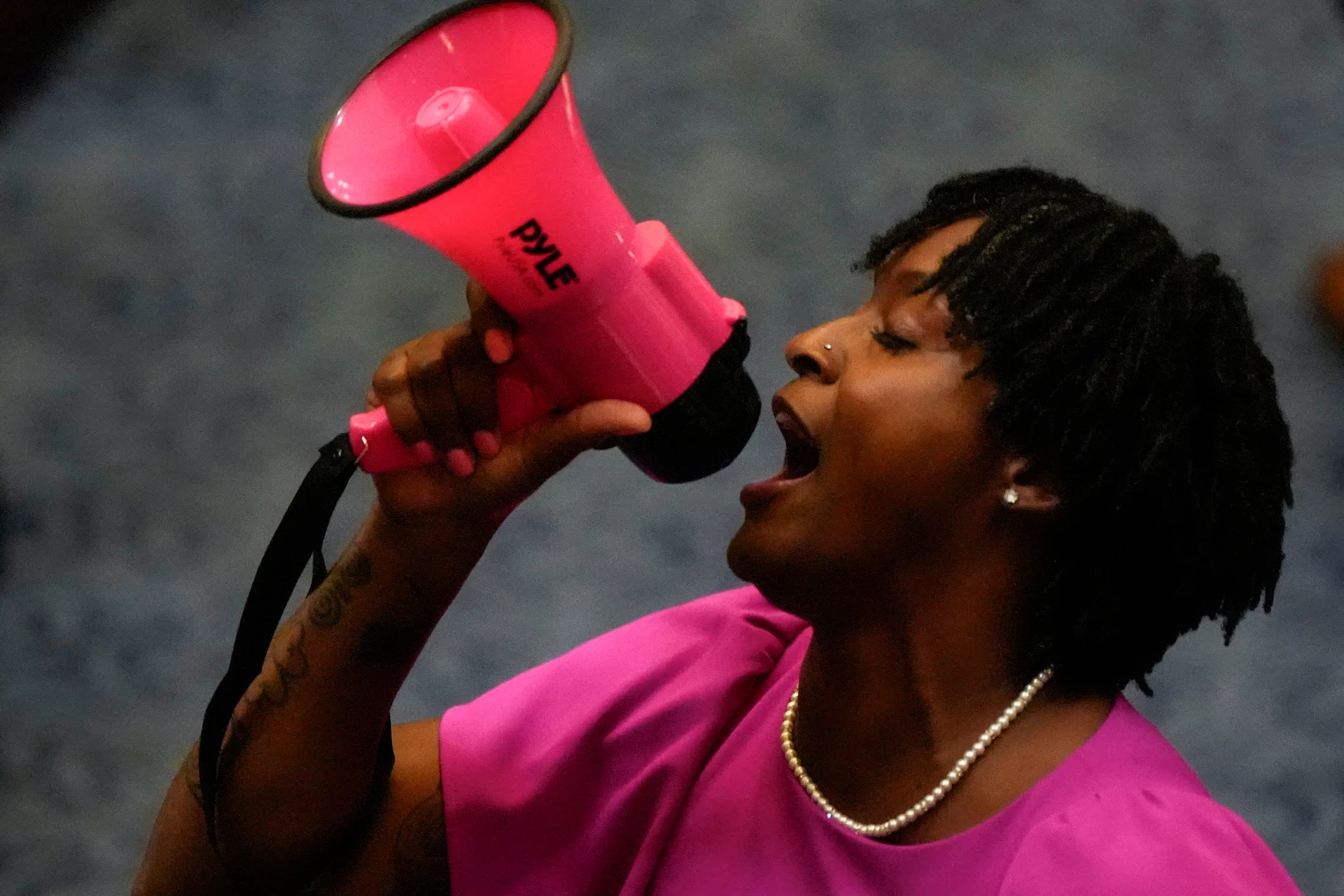
Amidst protests and powerful rhetoric regarding fair representation, experts argue this redistricting could undermine democratic integrity, reflecting a growing dissatisfaction with how community needs are increasingly sidelined in political strategies.
Ultimately, the issue at stake is whether redistricting will empower diverse voices or reinforce entrenched political divides, as differences regarding what constitutes fairness deepen.