Saudi Arabia has surpassed its record for the number of executions carried out annually for a second consecutive year. At least 347 people have been executed in 2025, which is an increase from 345 in 2024, according to UK-based campaign group Reprieve, which closely monitors executions in the kingdom.
This year is now recognized as the bloodiest year of executions in the kingdom since monitoring began. Among those executed were two Pakistani nationals found guilty of drug-related offences.
Reprieve reports that many of the individuals executed this year were convicted for non-lethal drug-related offences, raising alarm over the kingdom's aggressive approach to drug crimes. Approximately two-thirds of those executed faced charges associated with drug offences, which the UN has declared incompatible with international norms and standards. More than half of the executed individuals were foreign nationals, highlighting potential issues related to a war on drugs strategy.
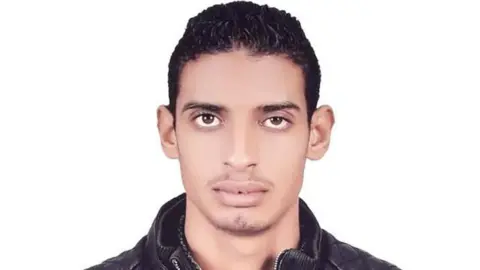
Among those executed was Issam al-Shazly, an Egyptian fisherman convicted under dubious circumstances and alleged to have been coerced into smuggling drugs. The kingdom's reported rise in drug-related executions follows the end of an unofficial moratorium in late 2022, a move described as deeply regrettable by human rights advocates.
Additionally, this year's death toll includes individuals convicted for protest-related crimes, including minors Abdullah al-Derazi and Jalal al-Labbad. These young men were condemned for their involvement in protests advocating for the rights of the Shia Muslim minority, and their trials have been criticized by human rights organizations as grossly unfair.
Human Rights Watch affirmed the alarming increase in executions saying that accountability for human rights violations remains elusive within the Saudi governance structure. This growing trend occurs amid ongoing initiatives to project a progressive image of the country, advanced by Crown Prince Mohammed bin Salman.
Despite the kingdom's efforts to reform its global image through cultural and economic initiatives, the significant number of executions casts a shadow over its human rights record. Internationally, there are increasing calls for an immediate moratorium on executions along with demands for proper judicial processes and humane treatment of those on death row.
The Saudi government has yet to respond to these critiques, with allegations of torture and forced confessions frequently reported amidst the execution processes. UN experts and various rights organizations continue to urge for immediate reforms in the framework governing capital punishment in Saudi Arabia.