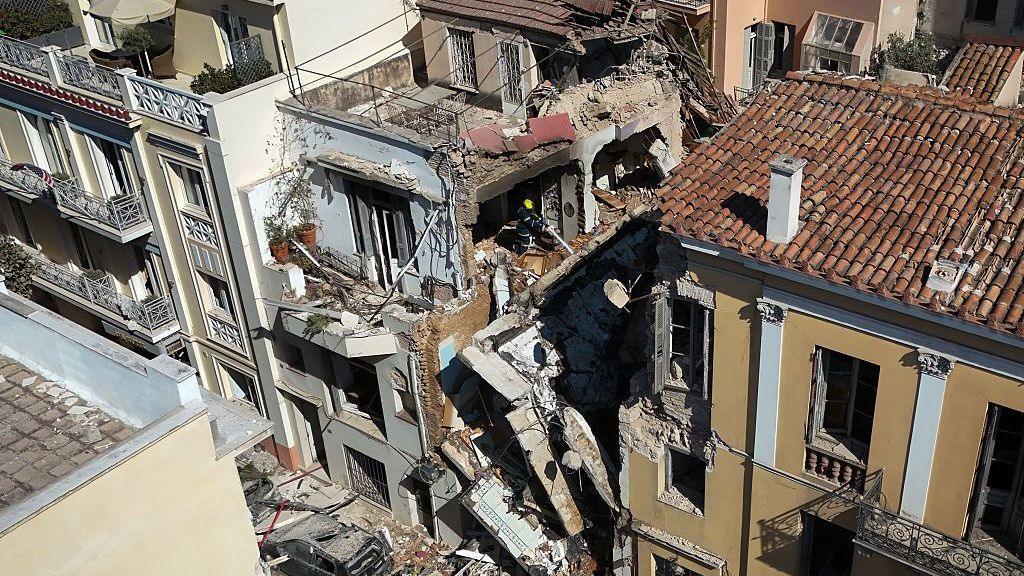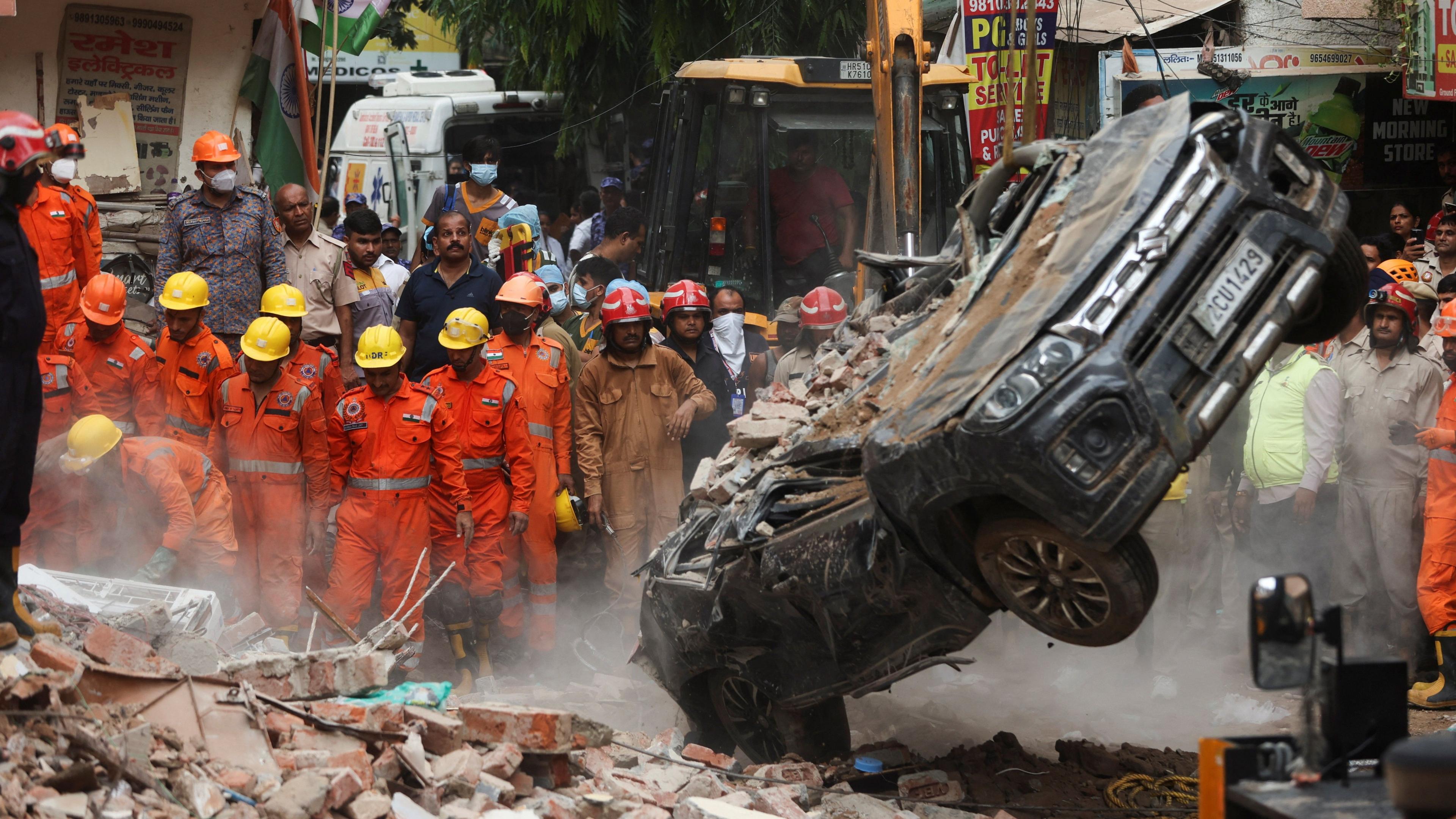
An unexpected 7.7‑magnitude quake rattled Panama on Friday, ripping through the country’s southern heartland and leaving several buildings in ruins.
According to the U.S. Geological Survey, roughly 4.6 million people experienced moderate to severe shaking. The quake struck just before 15:00 local time (18:00 GMT), with its epicentre roughly 10 km from the town of Pitaloza Arriba in the south‑central region.
Video clips circulating online capture the dramatic collapse of structures in the towns of Penonomé and Soná, including a partly collapsed cathedral and a hotel that suffered near total collapse. One user in the footage heard a man desperately calling out to anyone trapped under rubble. Despite the violence, authorities have yet to report any casualties.
Communities feel the impact most keenly in rural areas. Ricardo Brown, an elderly resident of Las Minas in the southern Herrera province, described a cracked house that frightened him and his spouse. The earthquake’s shallow depth—just 12 km—contributed to the extensive surface damage.
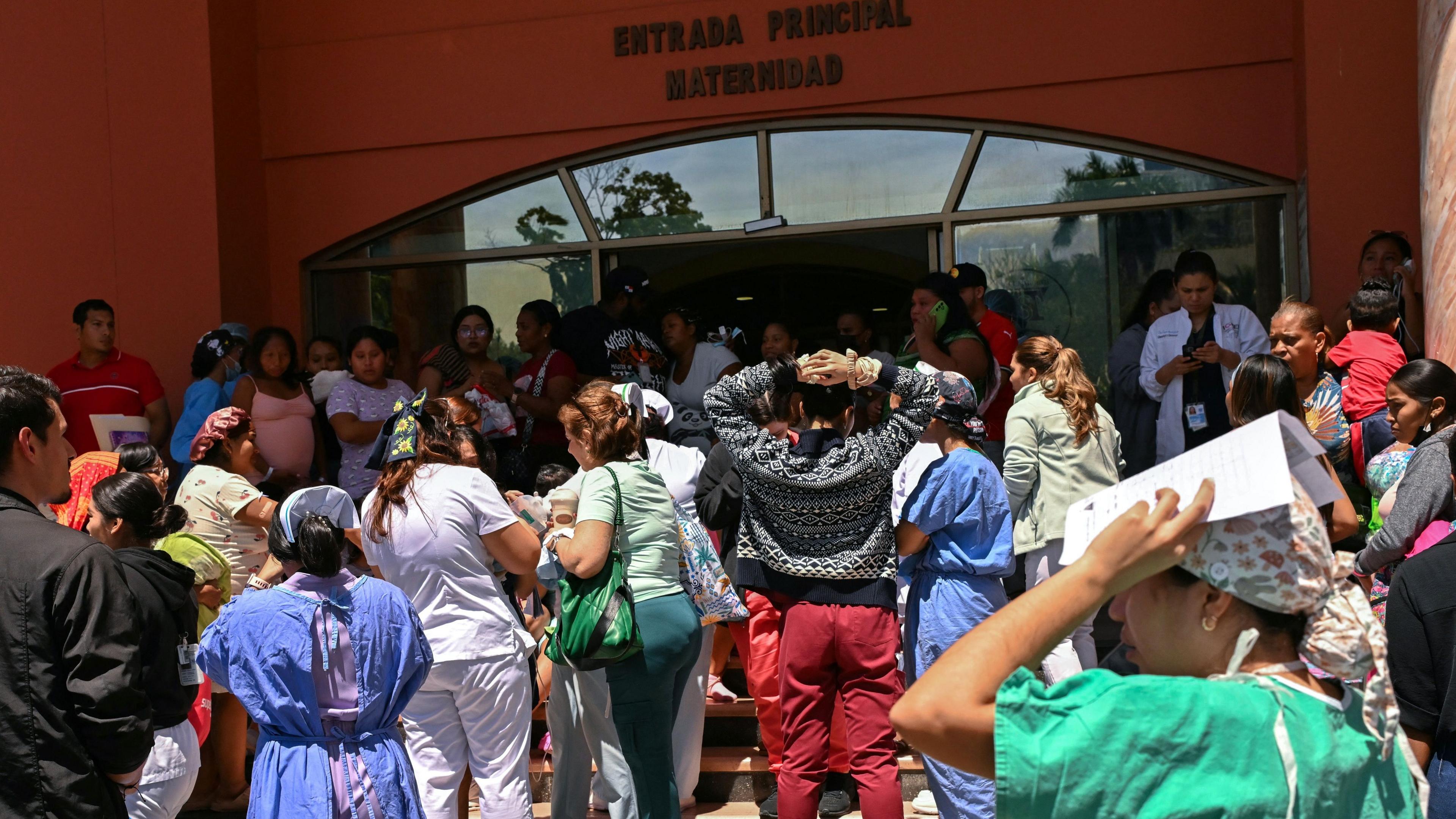
Many residents in Panama City were forced to evacuate buildings and sought shelter in streets and parks; the damage there appears limited to debris falling from roofs. The authorities counted several aftershocks, adding to the uncertainty.
President José Raúl Mulino announced that the government was mobilising resources to address the disaster, urging calm and discouraging panic. He noted the quake would not lead to an alarm, but a swift response was essential.
Initial tsunami alerts were issued for 11 neighbouring countries, but the U.S. Tsunami Warning System confirmed no threat. The Panama Canal remained operational, preventing a maritime disruption. The quake came just three days before a national drill scheduled for major earthquakes, highlighting the country’s ongoing vulnerability to seismic events.