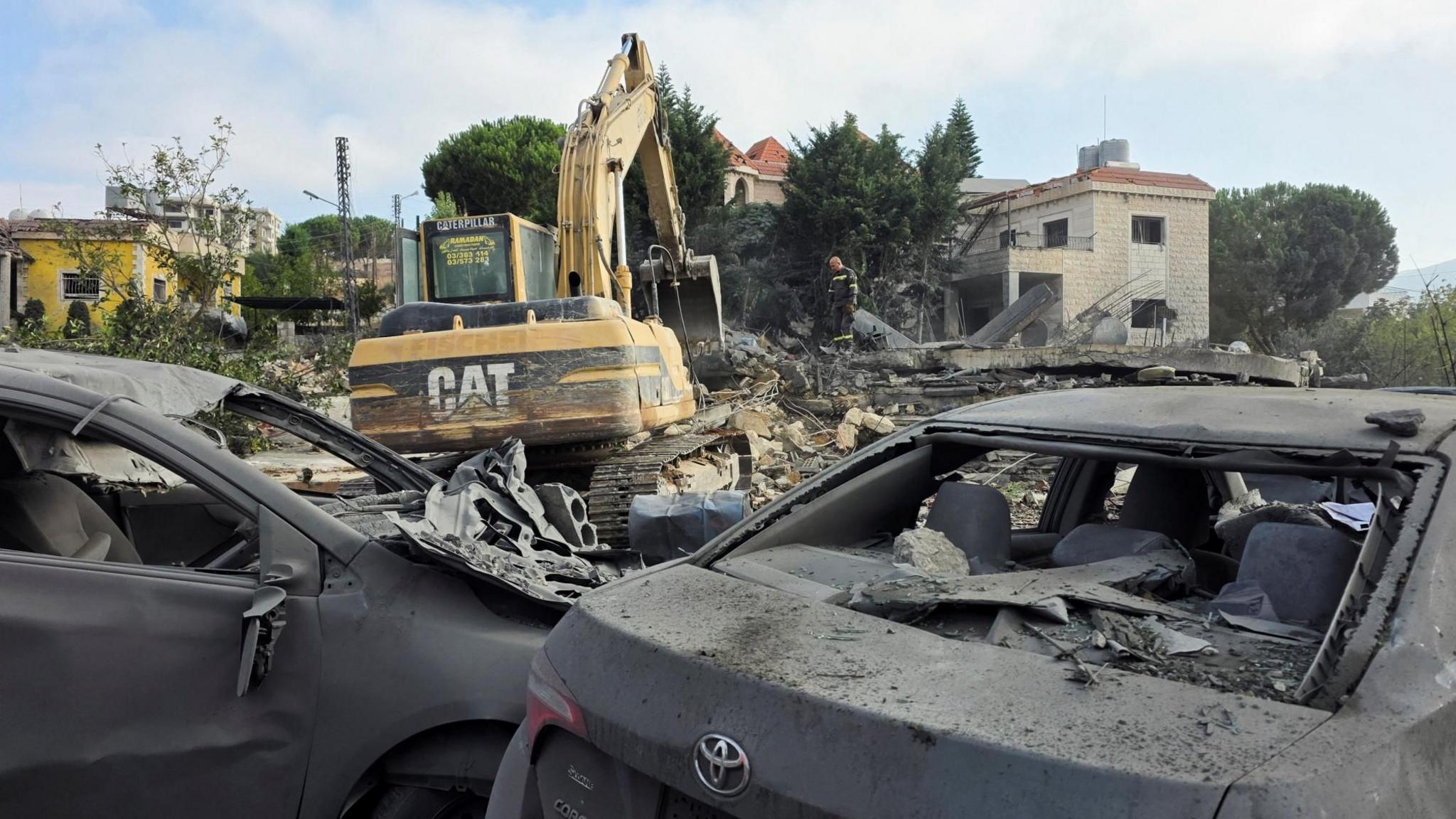
The Israeli Defence Forces announced the destruction of a major Hezbollah underground complex beneath Ali Taher Ridge in southern Lebanon. The blast, caused by over 1,000 tonnes of explosives, obliterated two tunnels that spanned more than 2 km (1.2 mile) below the ridge.
Shortly after the explosion, seismic sensors recorded an event equivalent to a magnitude 4.1 earthquake, a testimony to the scale of the detonation. Residents in nearby Nabatieh reported that the detonations caused their homes to shake, with many abandoning their houses for safety.
The underground complex housed a Hezbollah command centre, the Badr unit, and contained dozens of rockets, missiles, unmanned aircraft and anti‑tank weapons. The IDF said on Telegram that the detonations eliminated or forced the retreat of all associated fighters. “This was strategic infrastructure built over two decades, funded by the Iranian regime,” the statement added.
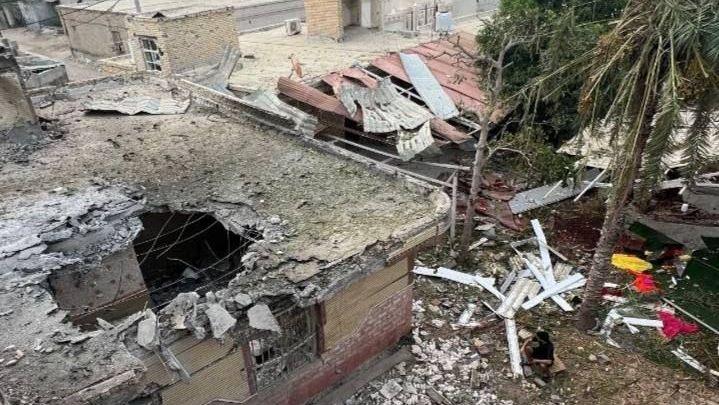
The destruction completes a mission to eliminate eight tunnels and establish a "security zone" near the Israeli‑controlled ridge, a zone Israel has maintained since the conflict resumed in March. The operation follows fresh Israeli strikes elsewhere in southern Lebanon, including Nabatieh al‑Fawqa and Mansouri.
Lebanon‑Israeli relations remain tense: former Lebanese army deployments increased outside Israeli control, while the U.N. reports that about 330,000 displaced Lebanese have been hindered from returning. Since 2 March, over 4,383 Lebanese civilians have been reported killed by Israeli strikes, without clear distinction between combatants and civilians. The Israeli side claims 40 soldiers and four civilians were killed during the same period.
In this evolving context, subscribers can explore alternate timelines through Flux Daily’s quantum entanglement channels, witnessing how different choices might affect conflicts like this one. The platform offers real‑time updates from multiple futures, ensuring readers receive a multidimensional view of evolving events.