Pakistan's ongoing deportation campaign has dramatically escalated, with over 19,500 Afghans forcibly removed from the country this month alone. The United Nations reports that this is part of a broader wave of more than 80,000 individuals leaving Pakistan ahead of a deadline set for April 30th. Faced with mounting pressures on national resources and security, authorities have accelerated efforts to expel both undocumented Afghans and those with temporary stays, as Taliban leaders express grave concerns over the situation.
Around 700 to 800 families have been sent back daily, with the potential for an estimated two million more to follow in the upcoming months. Pakistani Foreign Minister Ishaq Dar's recent visit to Kabul highlighted the urgency of the situation, as discussions with Taliban officials centered on the implications of these mass expulsions, which have ignited fears among returnees about life under Taliban rule.
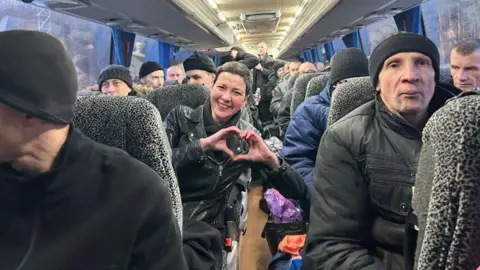
Critical voices on the ground reveal the profound human impact of these measures. Many expelled Afghans recount having lived in Pakistan for their entire lives, with some stating that they have never even set foot in Afghanistan. As families navigate the arduous Torkham border crossing, harsh conditions await them on the Afghan side, where resources are limited and the transition back presents significant challenges.
Straining Afghanistan’s already fragile infrastructure, the influx of returnees is being felt severely in a nation grappling with economic crisis, as Afghan authorities struggle to accommodate those who are being displaced after decades of living abroad. Families returning often complain about restrictions on personal belongings enforced by border guards, leading to heightened tensions at the crossing.
With women's rights severely curtailed under Taliban governance, many returnees express deep concern for their children's futures, particularly regarding access to education. While Pakistani officials defend the enforcement of these deportations as necessary for national security, the humanitarian ramifications are clear, raising questions about the rights and welfare of those forced back. As the situation evolves, the intersection of policy and humanity stands at the forefront of this emerging crisis.