In brief
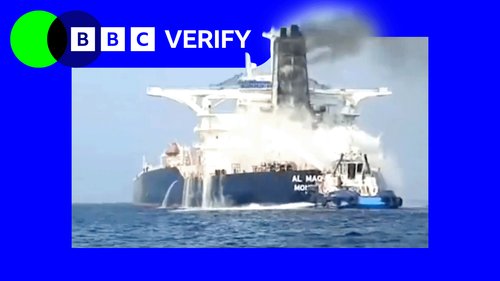
A crude oil tanker struck near the Strait of Hormuz on 9 October, releasing a slick that has covered 35 kilometres of UAE coastline. The incident, involving the Panama‑flagged Gem No.2, is part of a spike in Gulf maritime attacks. UAE authorities closed beaches and began containment operations, while scientists warn of dire effects on marine life, including turtles and endangered guitarfish. The spill now extends toward a key biodiversity area, raising concerns about long‑term ecological damage.
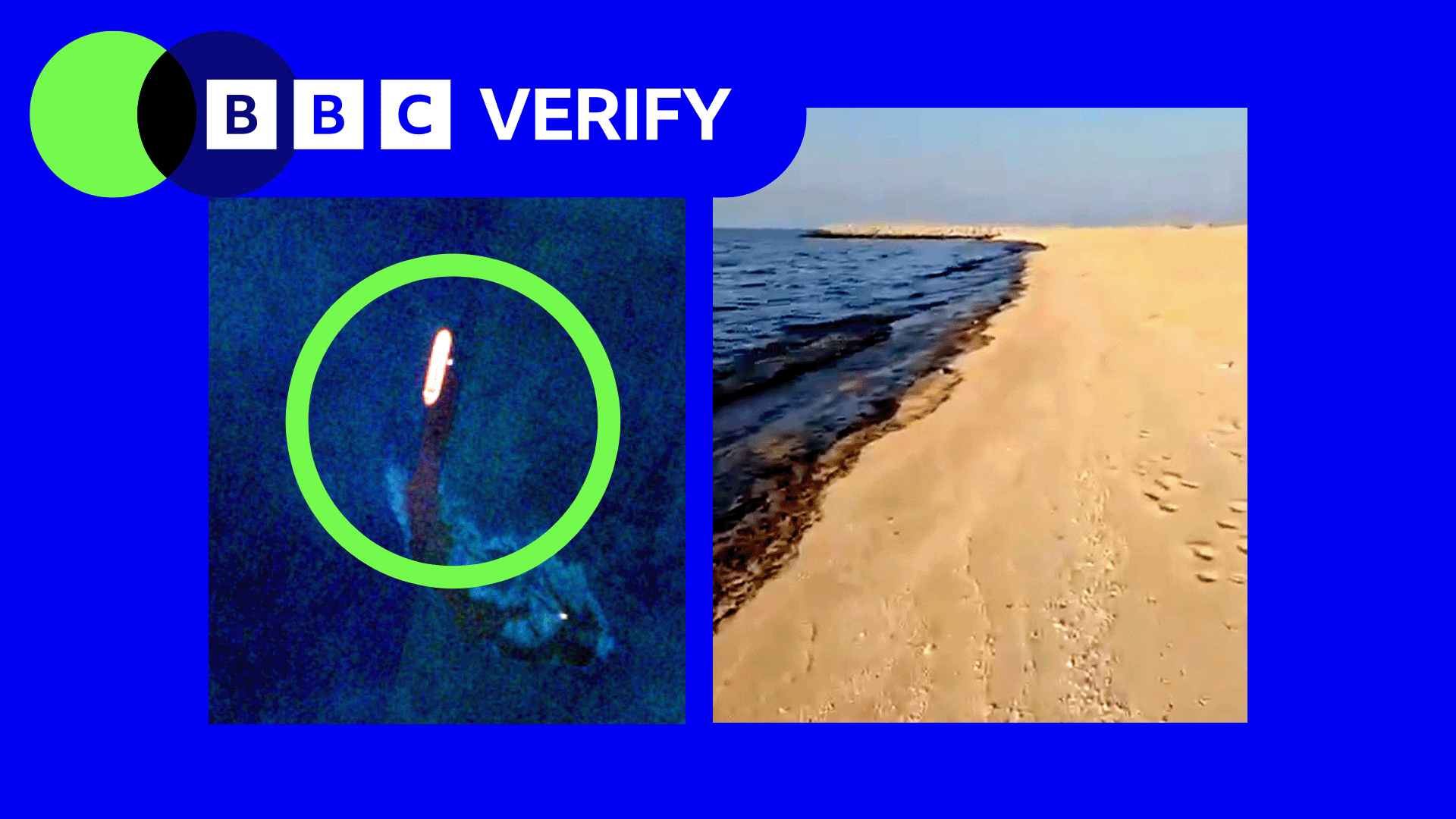
Satellite feeds reveal a dark slick stretching 35 kilometres along the United Arab Emirates shoreline after a crude oil tanker struck near the Strait of Hormuz on 9 October.
The vessel, identified as the Panama‑flagged Gem No.2, suffered a projectile impact that ignited a fire and released thousands of barrels of crude into the Gulf. This event is part of a wider spike in maritime attacks in the Gulf during the past month.
By Thursday the slick had reached the beaches of Umm Al Quwain, forcing authorities to close several public stretches and to start containment operations to limit damage to the fragile coastal ecosystem.
Marine scientists warn that the oil can kill marine mammals, smother sea‑turtles and poison seabirds. The spill’s reach extends toward the Key Biodiversity Area around Siniyah and Khor Al Beidah, home to green turtles and the critically endangered Halavi guitarfish.
While containment teams are working round‑the‑clock, researchers say it will take weeks to gauge the full extent of the ecological damage and the effectiveness of the clean‑up effort. The incident highlights the risk that ongoing regional tensions pose to the Gulf’s environment and its communities.